Car Lease Vans
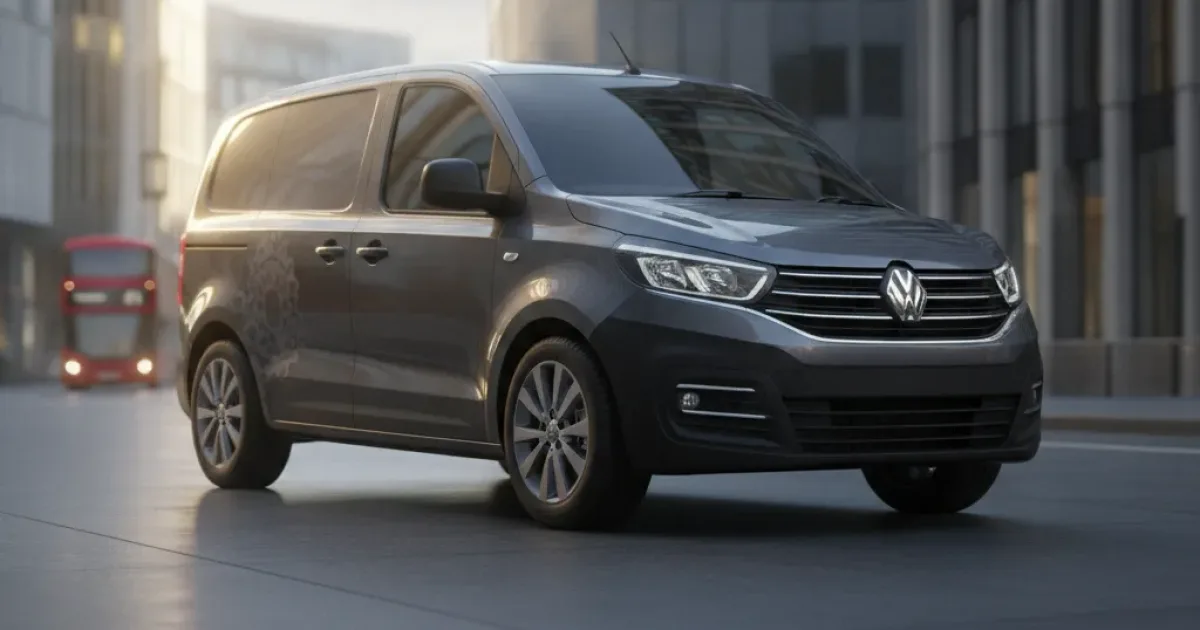
Car-derived vans are N1 category vehicles engineered by adapting the chassis and interior of a passenger hatchback or estate to provide a practical load-carrying space. These compact commercial vehicles offer the driving dynamics and comfort of a standard car while maintaining the necessary utility for light duty tasks in urban environments.
Defining the Car-Derived Van
A car-derived van is a vehicle manufactured to N1 commercial specifications, meaning it is designed primarily for goods transportation despite its passenger-car exterior. Common examples in the UK market include the Ford Fiesta Van and the Toyota Corolla Commercial, both of which provide a familiar cockpit environment for drivers who require high levels of maneuverability and fuel efficiency on shorter delivery routes.
When assessing these vehicles, you must differentiate them from purpose-built panel vans. Because they share the footprint of a standard car, they excel in restricted urban areas and narrow streets where larger vans would struggle, yet they retain a strictly functional cargo area that replaces the rear passenger seating.

Tax Implications for Business Users
If a business provides a car-derived van to an employee for private use, the vehicle is subject to specific Benefit in Kind (BIK) tax treatment. Unlike passenger cars where BIK is calculated based on CO2 emissions and the P11D value, HMRC provides a flat rate for certain commercial vehicles, which can significantly alter the overall tax liability compared to a standard company car.
It is essential to consult the latest HMRC guidance to ensure your classification is accurate, as incorrect documentation can lead to unexpected tax consequences. Always confirm whether your chosen model meets the official N1 classification criteria before entering into a contract, as this determines your eligibility for specific tax advantages.

Actionable Selection Criteria
To select the correct car-derived van for your operations, you must first calculate your daily payload requirements and the volume of goods you intend to transport. These vehicles are intended for light loads, so check the maximum payload capacity specified by the manufacturer rather than relying on visual volume estimates.
Consider the nature of your journeys, focusing on fuel type efficiency for stop-start city driving compared to higher-mileage motorway use. Prioritise models that offer internal partition security and lashing points that match the shape and weight of your specific cargo, ensuring that the vehicle footprint does not compromise your ability to store or park the van safely at your base.
contracthire.tv is a trading name of Swiss Vans Ltd, authorised and regulated by the Financial Conduct Authority (FRN 668283) as a credit broker, not a lender.