Damage and Repairs on a Contract Hire Vehicle
What it is in plain English
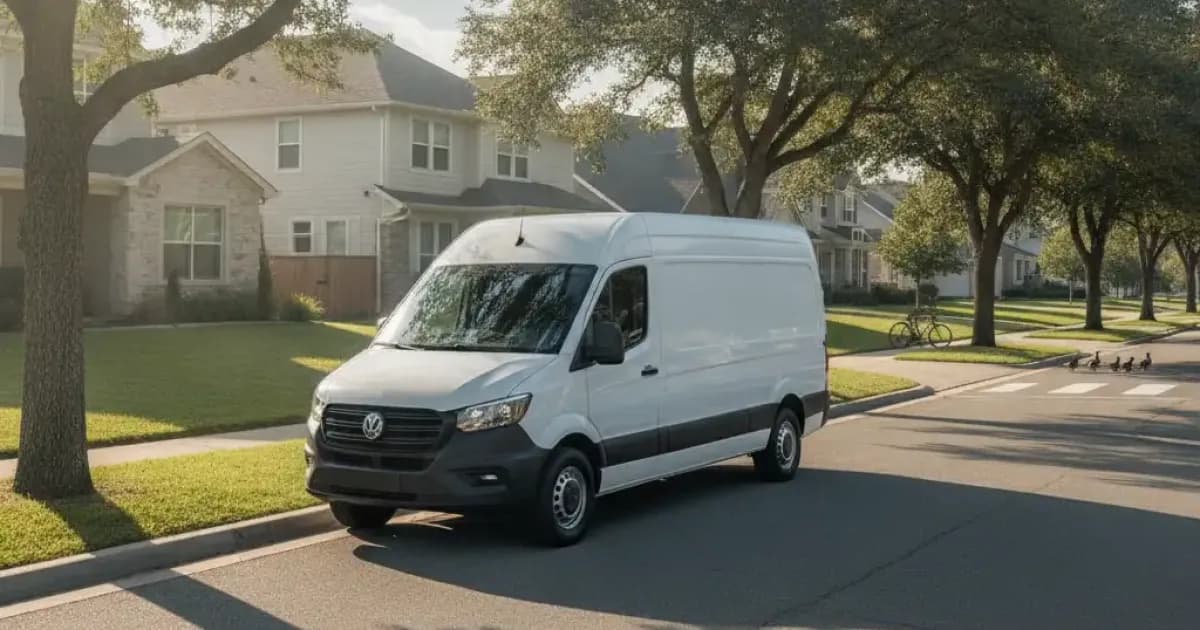
Responsibility for a contract hire van is split into three distinct categories: insurance, maintenance, and end-of-contract assessment. You are responsible for maintaining the vehicle in line with the manufacturer's schedule, but damage caused by accidents is a matter for your insurance provider, while residual aesthetic damage is assessed upon return based on industry-standard fair wear and tear guidelines.

How it works step by step
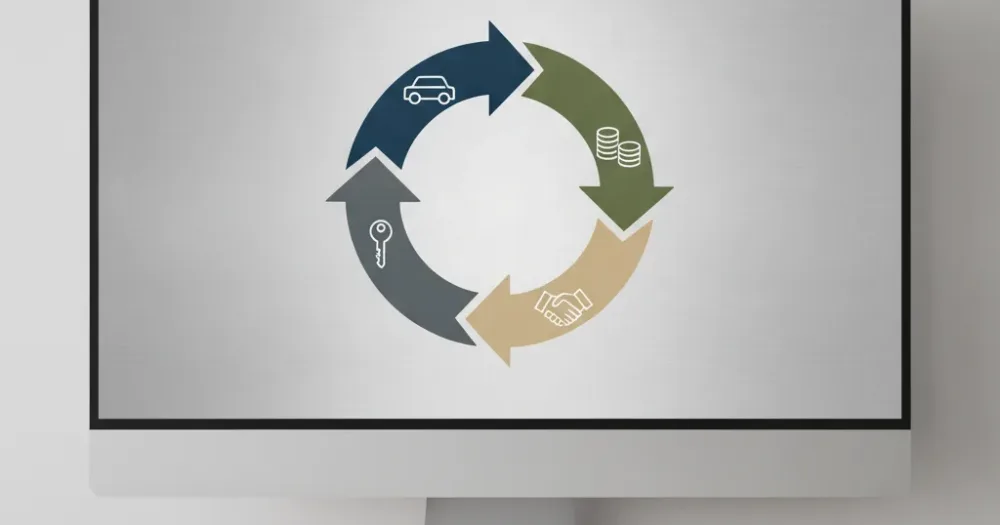
If the vehicle is involved in an accident, you must contact your insurance provider to arrange repairs; these must typically be completed by a manufacturer-approved repairer to maintain safety and warranty standards. If you have a maintenance contract, it covers mechanical wear-and-tear items like tyres and servicing, but it does not cover bodywork or accident damage. If the vehicle is written off or deemed a total loss by your insurer, the insurance settlement is used to pay off the outstanding finance balance, and the contract is terminated. At the end of the term, an independent inspector checks the van; if damage falls outside of fair wear and tear, you are liable for the cost of those specific repairs.
What you pay and what is included
Your monthly rental includes the cost of using the van. Optional maintenance packages cover routine service items, but they do not cover accident damage, which is handled via your motor insurance. You are liable for any excess repair charges identified during the end-of-contract inspection that exceed fair wear and tear standards. Unlike mechanical maintenance, which is a budgeted monthly cost, accident repair is managed through insurance claims processes.
Who it suits and who it does not
This structure is suitable for businesses that maintain proper comprehensive insurance and adhere to manufacturer service schedules. It is less suitable for operators who are unable to manage insurance claims efficiently or those working in environments where significant aesthetic bodywork damage is unavoidable. If you cannot manage the risk of potential end-of-contract charges for cosmetic damage, this form of leasing may not be appropriate for your operations.
Questions to ask before you sign
Request the specific fair wear and tear guide provided by the finance company to understand what is acceptable upon return. Confirm whether your maintenance package includes tyre replacement and servicing or only specific mechanical items. Ask the provider how they define 'total loss' scenarios and what the required notification procedure is if the vehicle is involved in a serious incident.
FAQs
How do I handle accident damage versus wear and tear? Accident damage must be managed through your motor insurance provider and typically requires repair at an approved facility. Maintenance items are handled under your service contract, while fair wear and tear covers the minor, unavoidable cosmetic deterioration that occurs during normal use.
What happens if the vehicle is a total loss? If the vehicle is deemed a total loss following an accident, the insurance settlement is used to settle the finance agreement with the leasing company. You are responsible for any shortfall between the insurance payout and the outstanding balance of the contract.
Does my maintenance package cover bodywork repairs? No. A maintenance package typically covers routine servicing, mechanical maintenance, and often tyres. It does not cover bodywork damage, glass repair, or damage caused by accidents or misuse.
Can I carry out my own repairs on the vehicle? You should not attempt your own repairs. All damage must be professionally repaired to ensure the van remains roadworthy and meets the manufacturer's safety standards, often requiring the use of approved repairers to avoid breaching your lease terms.
contracthire.tv is a trading name of Swiss Vans Ltd, authorised and regulated by the Financial Conduct Authority (FRN 668283) as a credit broker, not a lender.