Contract Hire Pros and Cons

What it is in plain English
Contract hire is a long-term vehicle rental agreement where you pay a fixed monthly fee to use a van without ever owning it. It functions like a business lease, allowing you to drive a modern vehicle while avoiding the depreciation risks associated with outright ownership. Once the term ends, you simply return the van to the provider.
How it works step by step
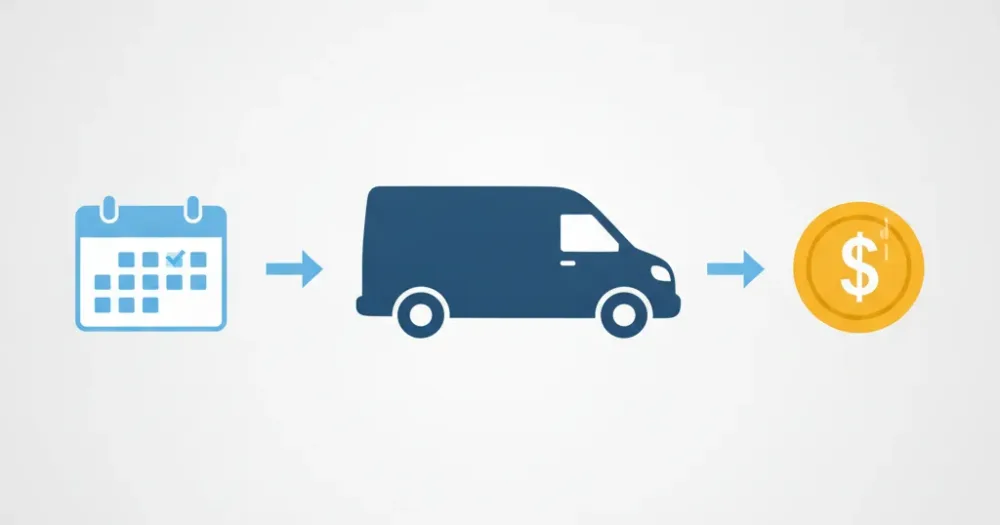
The process begins by selecting your preferred van and agreeing on an annual mileage limit and contract duration, typically ranging from two to five years. After an initial rental payment, you make fixed monthly instalments for the duration of the term. Because you do not own the asset, you are essentially renting the van for your business or personal use, returning it at the end of the term once the agreement concludes.
What you pay and what is included
Your monthly payments are determined by the van model, the chosen contract length, and your total mileage allowance. Most agreements include road fund licence for the duration of the contract, and you have the option to bundle maintenance packages into your monthly bill. You are responsible for insurance, fuel, and any damage outside of fair wear and tear guidelines.
Who it suits and who it does not
This method is ideal for businesses that prioritise predictable budgeting and want to keep their fleet updated with newer, more efficient models. It works well for those who prefer not to manage the resale of vehicles. Conversely, it may not suit you if you drive extremely high mileages, prefer to own your assets, or want the freedom to modify or sell your van whenever you choose.
Questions to ask before you sign
Before committing, clarify what constitutes fair wear and tear to avoid unexpected charges at the end of the term. You should also ask how excess mileage is calculated and billed if you exceed your agreed limit. Finally, determine whether the contract includes any breakdown assistance or relief vehicle services to ensure you remain mobile if your van is off the road.
FAQs
What are the advantages and drawbacks of contract hire? The main advantages are fixed monthly costs, no depreciation risk, and access to newer vehicles. The drawbacks include no ownership of the vehicle, potential excess mileage charges, and strict return conditions.
Can I end a contract hire agreement early? Yes, but doing so usually incurs an early termination fee, which is often a significant portion of the remaining payments. It is best to choose a term length you are confident you can complete.
What happens if I go over my agreed mileage? You will be charged a pre-agreed pence-per-mile fee for every mile you exceed the allowance. It is vital to estimate your usage accurately at the start to avoid these extra costs.
Does contract hire include vehicle insurance? No, contract hire generally only covers the use of the vehicle and road tax. You are responsible for arranging fully comprehensive insurance for the van separately.
contracthire.tv is a trading name of Swiss Vans Ltd, authorised and regulated by the Financial Conduct Authority (FRN 668283) as a credit broker, not a lender.