Contract Hire vs Buying Outright

What it is in plain English
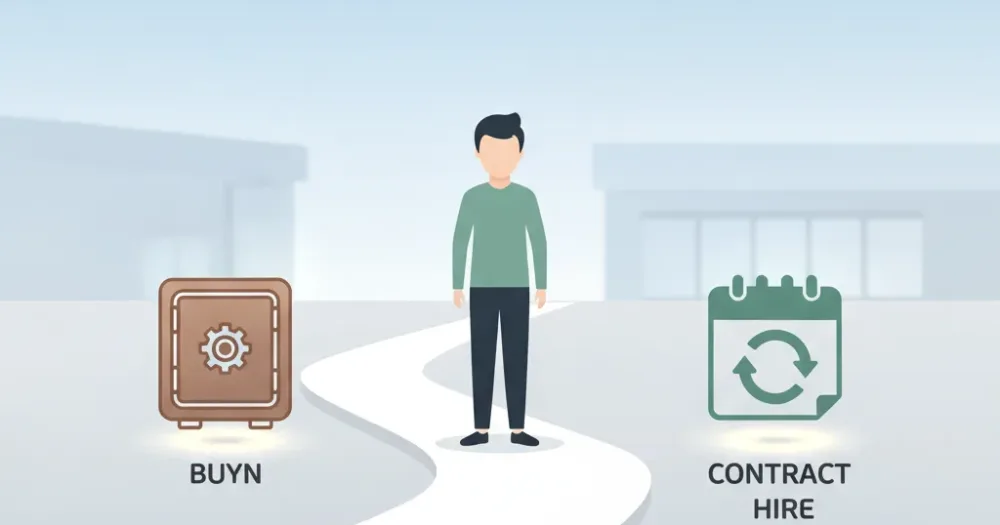
Contract hire is a long-term rental agreement that allows you to use a van for a set period without ever owning it, whereas buying outright involves paying the full purchase price to take permanent ownership. While buying means you hold the asset, contract hire functions like a subscription, focusing on the usage of the vehicle rather than the equity.
How it works step by step
When you choose to buy, you secure the van through cash or a loan and manage the asset yourself until resale. With contract hire, you first agree on a term length and annual mileage limit. You then make fixed monthly payments for the duration of the agreement. Once the term ends, you simply return the van to the provider, leaving them to handle the depreciation and disposal.
What you pay and what is included
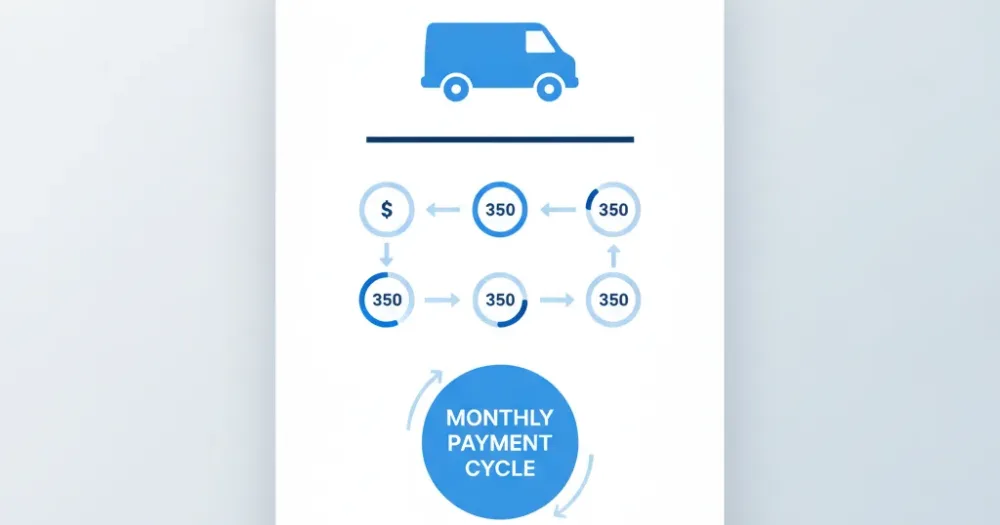
Purchasing a van outright requires a significant upfront capital investment, but you keep all proceeds when you eventually sell it. Contract hire typically requires an initial rental followed by fixed monthly payments, which are often lower than finance installments. These payments cover the cost of the vehicle's depreciation during your usage, and many agreements offer optional maintenance packages to bundle servicing and repair costs into your monthly fee.
Who it suits and who it does not
Contract hire is ideal for businesses that want predictable monthly costs and the ability to upgrade their fleet regularly without worrying about selling used vans. It is less suitable for those who want to build asset value or have unpredictable mileage requirements, as exceeding your agreed limit can lead to additional fees. Buying is better if you prefer to own your equipment long-term and want total freedom over how you use or modify the vehicle.

Questions to ask before you sign
Before committing, ask whether the contract includes maintenance and if you have the flexibility to adjust your mileage if your business needs change. Consider the total cost of ownership over the entire term, not just the monthly figure. You should also confirm what the process is for returning the vehicle at the end of the contract to avoid unexpected wear and tear charges.
FAQs
How does contract hire compare with buying a vehicle outright? Contract hire is a form of rental where you pay for usage, while buying outright grants you full ownership of the vehicle. Buying requires a large upfront payment but leaves you with an asset, whereas contract hire spreads costs into monthly payments without the burden of selling the van later.
Will I ever own the van with contract hire? No, contract hire is strictly a leasing agreement. At the end of the contract, you must return the vehicle, and there is no option to purchase it.
What happens if I drive more miles than agreed? If you exceed your annual mileage limit, you will typically be charged an excess mileage fee for every additional mile driven. It is important to estimate your usage accurately before signing.
Does contract hire include insurance? Generally, no. While contract hire often covers road tax and sometimes maintenance, you are almost always responsible for arranging your own fully comprehensive commercial vehicle insurance.
contracthire.tv is a trading name of Swiss Vans Ltd, authorised and regulated by the Financial Conduct Authority (FRN 668283) as a credit broker, not a lender.