Electric Van Leasing: What to Consider
The short answer
You should consider your daily mileage, access to charging infrastructure, and total cost of ownership before leasing an electric van. Evaluating these key areas ensures the vehicle aligns with your business operations while helping you transition to a more sustainable fleet efficiently. Understanding your specific transport requirements is the first step toward a successful electric vehicle adoption strategy.
What to weigh up
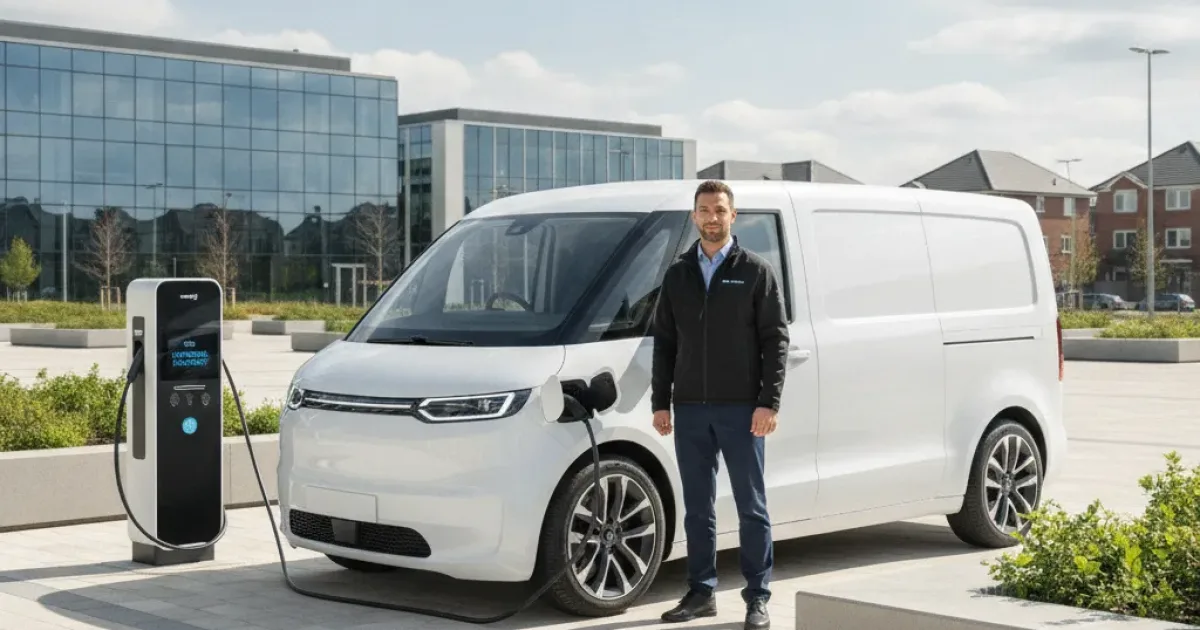
The most important factor is the real-world range compared to your daily routes. While official figures provide a baseline, environmental factors like payload weight and extreme weather can affect battery performance. You must also assess your depot or home charging setup, as installing a dedicated charge point is essential for maximizing efficiency. Consider the downtime required for charging versus the speed of your current refuelling process.
Costs and terms to check
Look closely at the total contract hire agreement, paying attention to mileage allowances and maintenance inclusions. Since electric vans have fewer moving parts, maintenance costs can be lower, but you should verify if tyre and battery health checks are covered. Always review the early termination clauses in your lease, as the rapidly evolving nature of electric vehicle technology may lead you to want an upgrade sooner than planned.

Common mistakes
Failing to account for payload capacity is a frequent error when businesses transition to electric models. Batteries add significant weight, which can reduce the available payload for your goods compared to a traditional diesel equivalent. Another mistake is ignoring potential tax incentives or clean air zone exemptions. Research your local grants and benefit-in-kind rates to ensure you are capturing the full financial value of moving to an electric fleet.

FAQs
What should you think about before leasing an electric van? Before leasing, you should evaluate your daily route mileage, current charging infrastructure capabilities, the payload requirements of your business, and the specific terms of the lease contract regarding maintenance and mileage limits.
Is an electric van cheaper to run than a diesel van? Generally, electric vans offer lower running costs due to cheaper electricity prices compared to diesel, reduced maintenance requirements, and lower tax liabilities, though initial lease costs can be higher.
How do I plan for charging an electric van? You should assess whether you can install a wallbox at your business premises or home. If not, map out the public charging network along your primary routes to ensure you can charge effectively during downtime.
Does carrying heavy loads affect the electric van range? Yes, carrying heavy payloads increases the energy demand on the battery, which will reduce the total range compared to the manufacturer's unladen test figures.
contracthire.tv is a trading name of Swiss Vans Ltd, authorised and regulated by the Financial Conduct Authority (FRN 668283) as a credit broker, not a lender.