Electric van leasing: is it worth it yet?
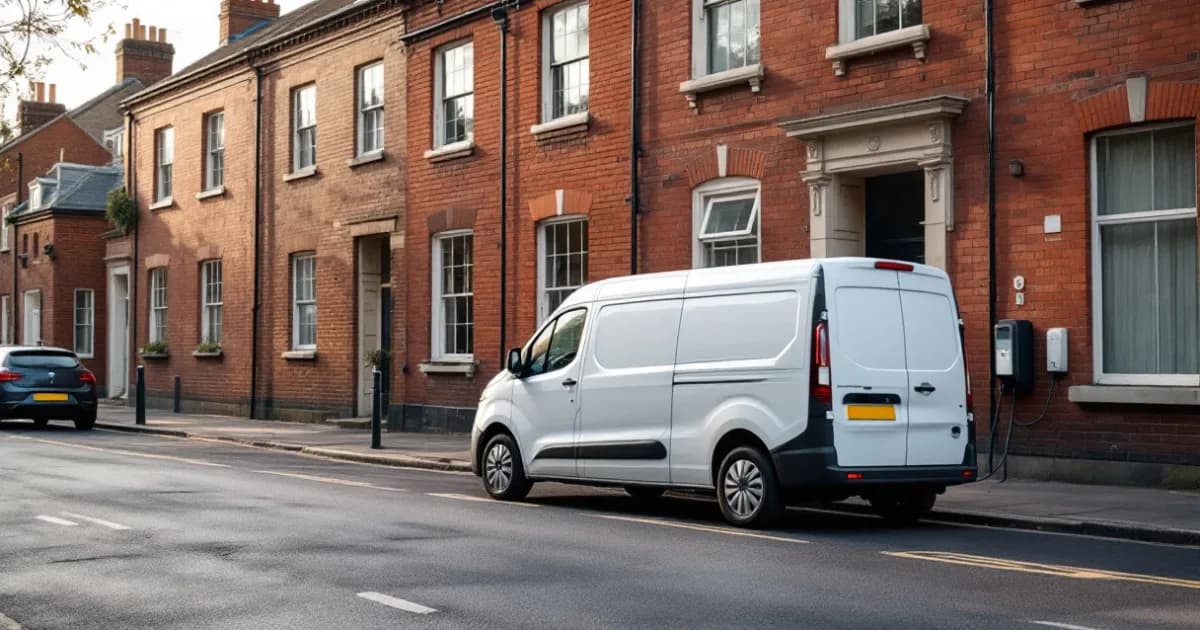
Electric vans have moved from a niche choice to a realistic option for many UK businesses. Whether leasing one makes sense yet depends less on the headline technology and more on how you actually use the van: the miles you cover, where it is parked overnight, and what you carry.
This page sets out the main considerations in plain terms. It is not a recommendation for or against going electric. For some operators it works well; for others a diesel van is still the more practical choice.
Contract hire means you pay a regular rental to use a new van for a fixed term and agree a mileage limit up front. You do not own the vehicle, and it goes back at the end. That structure can suit electric vans, because you are not taking on the risk of what the van will be worth later.
The options
Electric van on contract hire. You rent the van for a set term, typically with a fixed annual mileage. Your rental stays the same each month, and you hand the van back at the end. This keeps the question of future battery condition and resale value with the funder rather than with you.
Diesel or petrol van on contract hire. Often still the simpler fit for very high mileage, long motorway routes, or heavy payloads where range and weight are tight. Running costs, fuel availability and any local clean air zone charges are worth weighing against the electric alternative.
Buying outright or using other finance. Ownership leaves you holding the resale risk, which is harder to judge with a newer technology. Some businesses prefer it for the flexibility, others prefer the certainty of a fixed rental.
Mixing the two. Some fleets put electric vans on predictable local routes and keep a diesel van for the occasional long trip. That can be a sensible way to test electric without committing the whole fleet.
Contract hire is available on both new electric and conventional vans. Terms, availability and eligibility vary by funder and depend on your business's circumstances.
What to check
- Real-world range. Manufacturer range figures are measured under test conditions. Cold weather, a full load, motorway speeds and heating can all reduce it. Compare the range with your longest typical day, with some margin.
- Where you will charge. Off-street parking with a dedicated charger is the easiest set-up. If vans go home with drivers, or you rely on public charging, check how that would work day to day and who pays for it.
- Payload. Batteries add weight. Check the payload of the specific model against what you carry, not just the range of the model line.
- Mileage limit. Contract hire includes an agreed mileage. Estimate honestly, as exceeding it usually brings excess mileage charges.
- Charger installation. Think about the cost and lead time of installing a charger at your premises, and whether you rent or own the site.
- Tax treatment. Company vehicle tax, capital allowances and VAT treatment can differ between electric and conventional vans. Speak to your accountant rather than relying on a general guide.
- Charging costs. Home or depot electricity is generally cheaper per mile than public rapid charging, but it depends on your tariff.
- Contract terms. Look at the term length, maintenance options, damage and wear standards, early termination terms and what happens at handback.
- Delivery times. Lead times differ by model and supplier, so ask before you plan around a start date.
Next step
If you have a rough idea of your daily mileage, your parking and charging set-up and the payload you need, you can compare electric and conventional vans on a like-for-like basis. Tell us what you carry and how far you go, and we will look at what is available from the funders we work with.
Swiss Vans Ltd, trading as contracthire.tv, is a credit broker and not a lender (FCA FRN 668283). We introduce you to funders, and any offer is subject to their status and acceptance criteria.

Questions people ask
Is an electric van right for long-distance work?
It can be harder to make work. If you regularly cover long distances in a day, check realistic range and the availability of rapid charging on your routes before deciding.
Do I own the van at the end of a contract hire agreement?
No. Contract hire is a rental, and the van is returned at the end of the term. You do not carry the resale risk.
Do I need a charger at my premises?
Not strictly, but it makes day-to-day running much simpler. Relying only on public charging can add time and cost.
Will my business be accepted for contract hire?
That is decided by the funder, based on your business's circumstances. We are a broker and cannot promise any outcome.