Fleet Leasing for a Small Business
The short answer
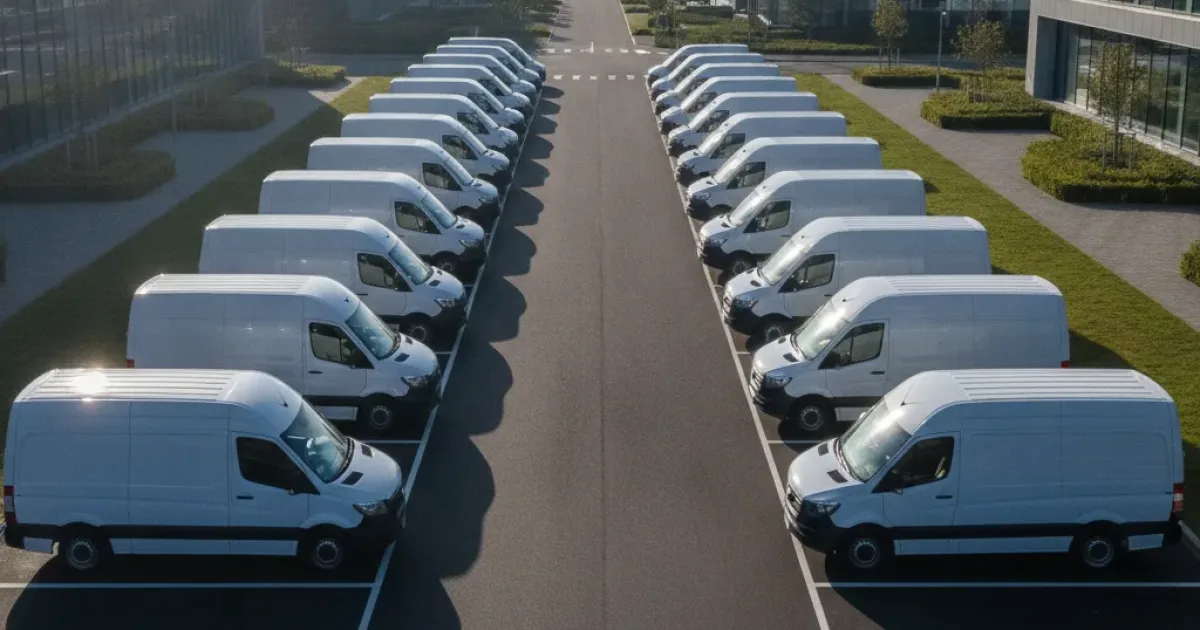
Fleet leasing for a small business works by allowing you to acquire multiple commercial vehicles for a fixed monthly rental instead of buying them outright. You effectively pay for the depreciation of the vans over a set period, after which you simply return the vehicles, providing a predictable way to manage your operational transport requirements without heavy capital expenditure.
What to weigh up
Before committing to a contract, consider the specific daily demands of your operations and the expected mileage of your team. Leasing is ideal if you want to keep your fleet modern, reliable, and covered by manufacturer warranties. Evaluate whether you need specialist conversions or racking systems, as these can influence the flexibility of your leasing agreement over time.
Costs and terms to check
Lease agreements typically require an initial rental payment followed by fixed monthly installments. It is vital to confirm what is included in your contract, such as maintenance packages, breakdown cover, and road fund licenses. Always check the mileage limitations and potential excess charges to ensure the terms align perfectly with your business growth projections.
Common mistakes
Many businesses overlook the impact of vehicle branding or excessive wear and tear charges at the end of the term. Failing to account for future business expansion can also lead to early termination fees if you outgrow your chosen vehicles. Always conduct a thorough review of the contract duration to ensure it matches the lifecycle of your current commercial requirements.

FAQs
How does fleet leasing work for a small business? Fleet leasing works by providing your business with new commercial vehicles for a set monthly fee, covering the cost of usage and depreciation rather than ownership, often including maintenance options for added convenience.
Can a sole trader access fleet leasing deals? Yes, many leasing companies offer products specifically tailored for sole traders and small limited companies, provided you can meet the necessary credit criteria.
What happens at the end of a van lease agreement? At the end of your contract, you generally return the vehicles to the leasing company. You can then choose to upgrade to a newer fleet, extend your current lease, or explore other options.
Are insurance and tax included in fleet leasing? While road fund license is often included in the monthly rental for the duration of the lease, commercial insurance is typically the responsibility of the business owner and must be arranged separately.
contracthire.tv is a trading name of Swiss Vans Ltd, authorised and regulated by the Financial Conduct Authority (FRN 668283) as a credit broker, not a lender.