Greener Vehicle Leasing Options
The short answer
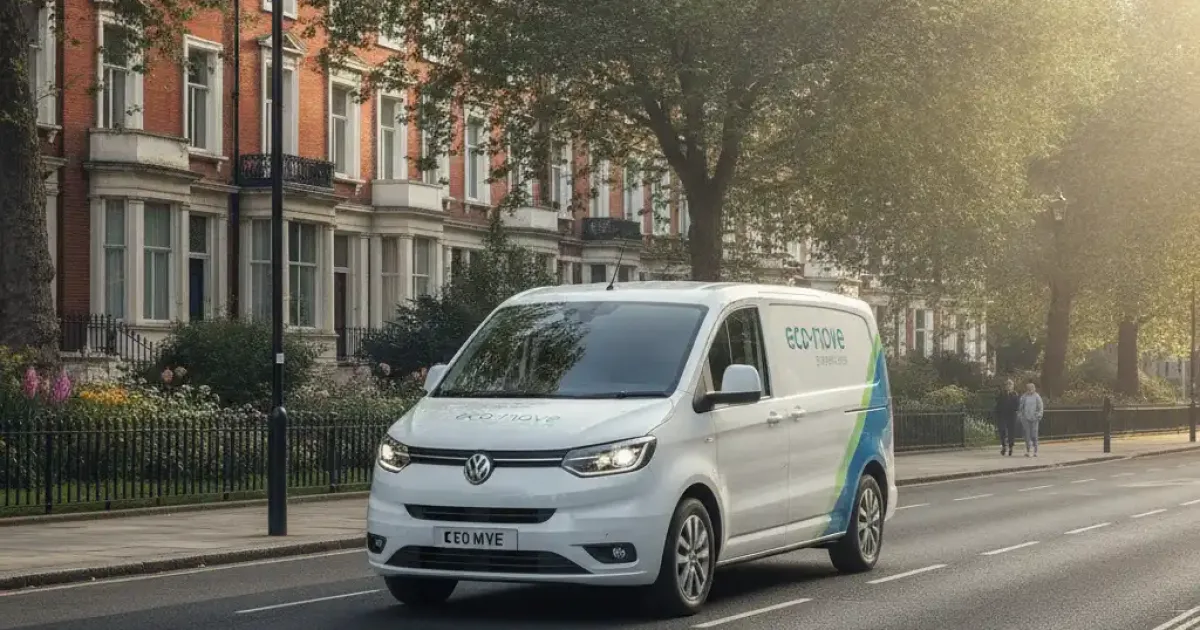
Leasing greener vehicles focuses on battery electric vehicles (BEVs) and plug-in hybrids that offer clear financial advantages under UK law. By shifting to zero-emission models, businesses can navigate the expansion of Ultra Low Emission Zones (ULEZ) and Clean Air Zones (CAZ) across the UK without incurring daily charges. These vehicles are primarily chosen to leverage specific tax incentives rather than general environmental benefits.
What to weigh up
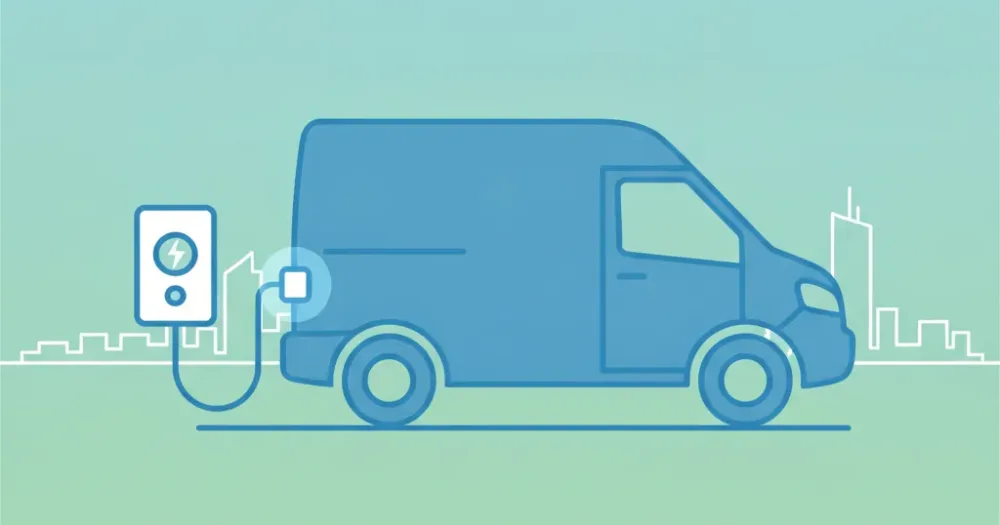
Transitioning your fleet requires assessing your operational range against the limitations of current charging infrastructure. While electric drivetrains lack the complex exhaust and fuel systems of internal combustion engines, they require specialised maintenance and diagnostic checks for battery health and high-voltage cabling that can be costly if not covered by a service package. Before committing, map your daily routes against the availability of rapid-charging networks to ensure your business operations remain uninterrupted.
Costs and terms to check
Business owners should specifically review the 'van benefit charge' for the 2024/25 tax year, where the flat rate for zero-emission vans is currently set at nil, making them highly tax-efficient. Furthermore, consider the 'First Year Allowances' for business capital expenditure, which may allow you to deduct the full cost of qualifying low-emission vehicles from your profits before tax. Ensure your lease agreement explicitly clarifies if the contract includes maintenance for high-voltage battery systems to avoid unexpected diagnostic costs.

Common mistakes
A common error is ignoring the real-world impact of heavy payloads and cold weather on the electric range, which can significantly reduce the manufacturer's stated battery capacity. Business owners often fail to calculate the 'Total Cost of Ownership' by omitting the cost of installing onsite charging infrastructure at business premises or employee homes. Finally, check that your insurance provider is experienced in covering high-voltage battery vehicles, as this can be a specific requirement for commercial policies.

FAQs
How does the zero-emission van benefit charge work for 2024/25? For the 2024/25 tax year, the van benefit charge for zero-emission vans is set at zero. This means employees do not pay income tax on the private use of an electric van provided by their employer.
Can I claim capital allowances on an electric van lease? Capital allowances are typically claimed by the vehicle owner (the leasing company). However, businesses leasing these vehicles can often benefit from lower monthly rentals and reduced national insurance contributions on company car tax, as well as potential tax relief on the lease rental payments themselves.
How do ULEZ and CAZ charges affect business leasing decisions? Electric vehicles are currently exempt from ULEZ and CAZ charges in cities like London, Birmingham, and Bristol. Leasing these vehicles allows your business to avoid daily compliance fees which can become significant over a multi-year lease term.
Are electric vans always cheaper to maintain? While electric vans have fewer moving parts than diesel engines—meaning no oil changes or exhaust system repairs—they require specialised diagnostic equipment and professional servicing for the high-voltage battery and cooling systems. These specific maintenance requirements should be included in your leasing contract to manage costs effectively.
contracthire.tv is a trading name of Swiss Vans Ltd, authorised and regulated by the Financial Conduct Authority (FRN 668283) as a credit broker, not a lender.