Hatchback or SUV: which is better to lease?
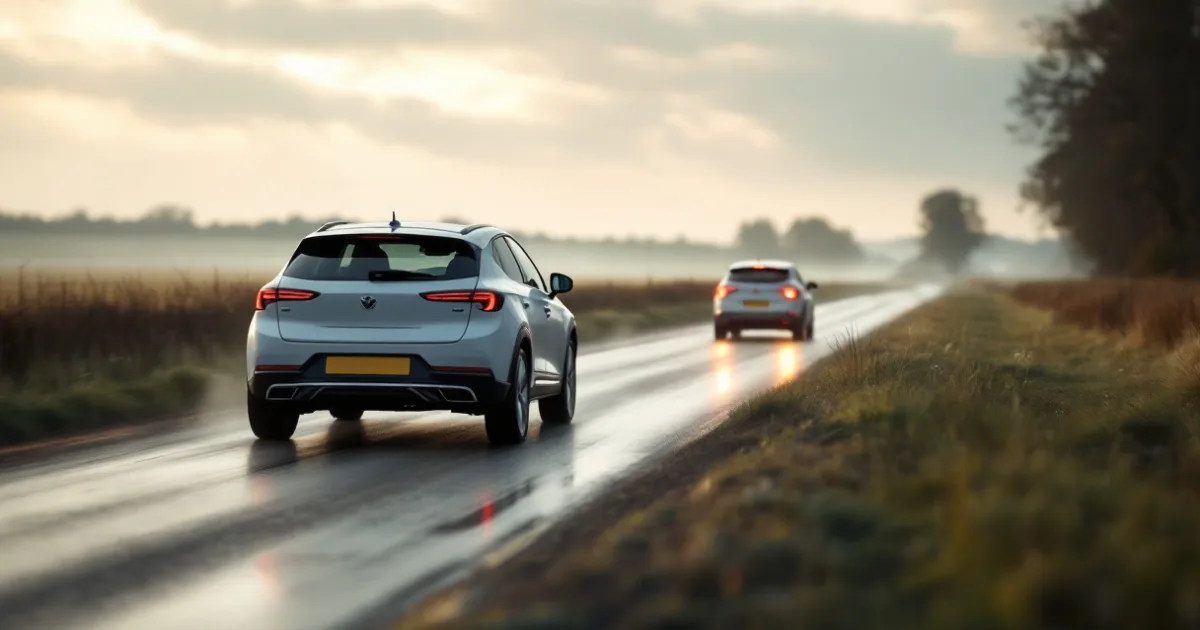
Choosing between a hatchback and an SUV is one of the most common decisions in business contract hire. Both body styles are widely available, and neither is better for every driver. The right answer depends on how the vehicle will be used, who will drive it and what it needs to carry.
This page sets out the practical differences so you can decide what to ask for when you request a quote. Contract hire is a long-term rental: you pay a regular amount to use the vehicle for an agreed term and mileage, then hand it back at the end. It is not a purchase.
The options
Hatchback
- Generally smaller and lighter, so easier to park and manoeuvre in towns and car parks.
- Often uses less fuel or, for electric models, less energy per mile, though this varies by model.
- Usually has a lower driving position and a smaller load area, although the rear seats can often be folded to make more room.
- Good for solo drivers, commuting and mixed town and motorway use.
SUV
- Higher seating position and, in many cases, more rear legroom and boot space.
- Can suit drivers who carry passengers, equipment or luggage regularly, or who want easier access in and out.
- Some models offer four-wheel drive, which may help on rough or wet ground, though it is not standard on all.
- Typically larger and heavier, which can affect running costs, tyre wear and parking.
Within each body style there is a lot of variation. A compact SUV and a large hatchback can be closer in size than the labels suggest, so compare specific models rather than categories. Both types are also available with petrol, diesel, hybrid and electric powertrains, depending on the model.
What to check
Before you settle on one, it helps to look at the following:
- Space needed. Think about passengers, luggage, tools or samples. Check the boot dimensions with the seats up and folded.
- Where you park. Measure any garage, bay or depot space, and consider the vehicle's width with mirrors.
- Annual mileage. Contract hire agreements set a mileage limit. Charges usually apply if you go over it, so give an honest estimate.
- Fuel or charging. Compare the stated efficiency or range, and consider whether you can charge at your premises or home.
- Company car tax. If the vehicle will be provided to an employee, benefit-in-kind tax depends on the model's emissions and list price. Check the current rules or ask your accountant.
- Vehicle size and access. Some sites have height or width restrictions, and charging or low-emission zones may apply in some cities.
- Maintenance and end-of-contract terms. Check whether maintenance is included and what condition standards apply when you return the vehicle.
- Contract length and flexibility. Ending an agreement early can carry charges, so choose a term that fits how long you expect to need the vehicle.
Next step
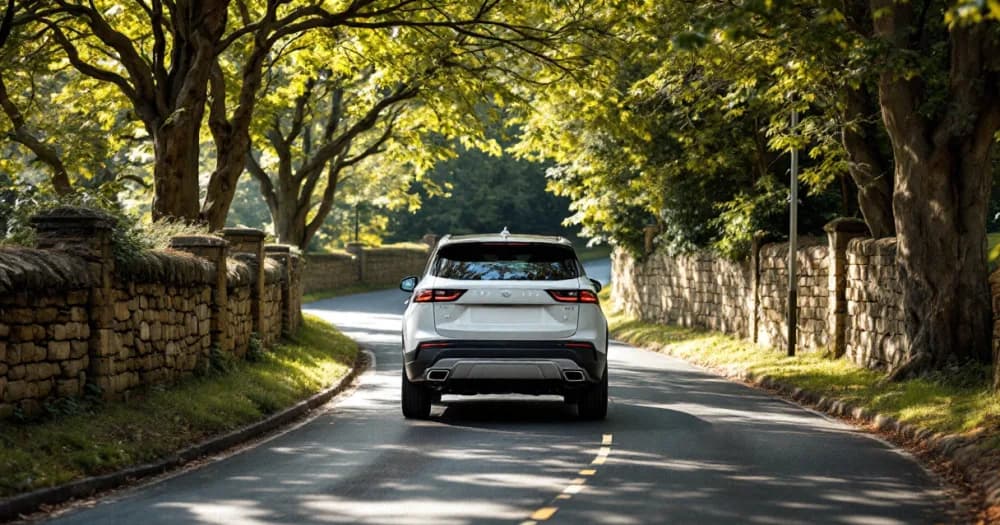
If you already know which body style suits you, tell us the models you are considering, your expected annual mileage and your preferred contract length. If you are undecided, you can ask for options in both styles and compare them side by side.
contracthire.tv is a trading name of Swiss Vans Ltd, a credit broker and not a lender (FCA FRN 668283). We work with a panel of finance providers, and any offer is subject to status and the provider's own criteria. Request a quote to see what is available for your circumstances.

Questions people ask
Is an SUV always more expensive to lease than a hatchback?
Not always. Pricing depends on the specific model, its specification, the term and the mileage, so compare quotes for the exact vehicles you are considering.
Which is better for a business driver who does a lot of motorway miles?
Either can work. Comfort, fuel or energy efficiency and the space you need matter more than the body style, so it is worth checking the specific models.
Can I get an electric hatchback or SUV on contract hire?
Yes, both body styles are offered as electric models by many manufacturers. Availability depends on the model and the finance provider.
Do I own the vehicle at the end of the contract?
No. With contract hire you return the vehicle at the end of the agreed term, subject to its condition and the agreed mileage.