Do I insure a leased vehicle myself?
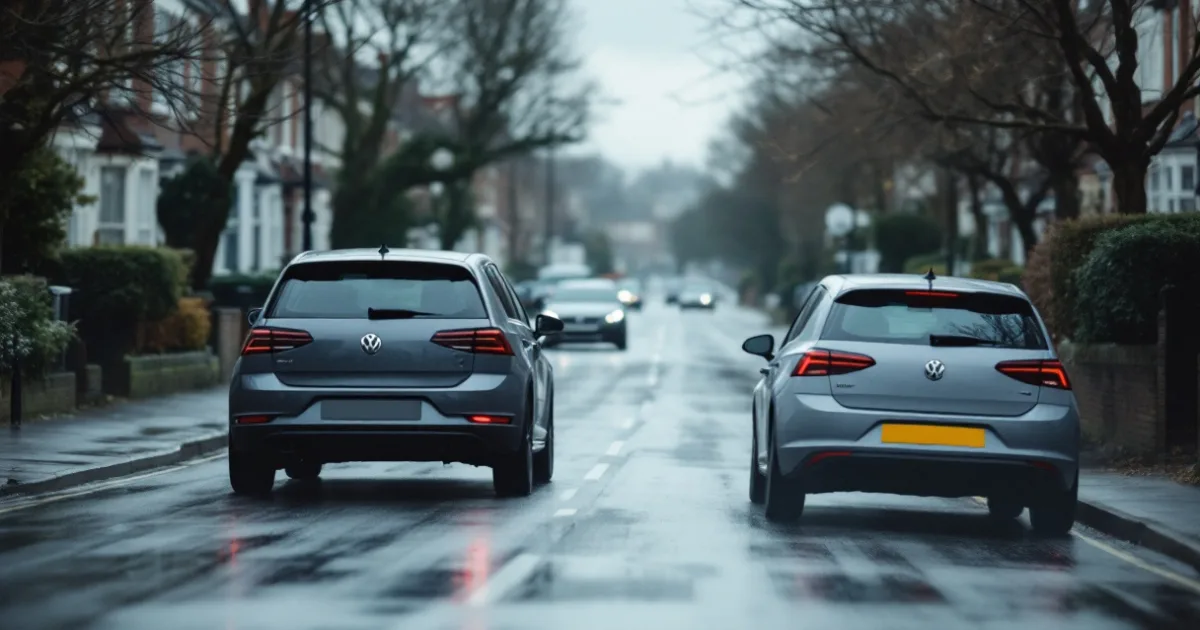
Yes. With business contract hire you normally arrange and pay for the insurance yourself, because the leasing company owns the vehicle but you are the one using it. Most funders require fully comprehensive cover, with proof in place before the vehicle is delivered.
The short answer
In most cases, yes. The funder owns the vehicle, and the agreement makes you responsible for it while it is in your hands. That includes keeping it insured, so you buy the policy and renew it as the agreement runs.
The funder will normally set a minimum standard. This is usually fully comprehensive cover, and it must match how you use the vehicle. Your own agreement and the funder's terms are the final word, so read them before you order.
The detail
Who holds the policy. You or your business takes out the policy. Tell the insurer the vehicle is leased, not owned. The funder is usually noted on the policy as the owner, and may be named as an interested party.
Type of cover. Expect to need fully comprehensive insurance. Third-party-only cover is rarely accepted on a leased vehicle, because the funder wants its asset protected against damage and theft.
Business use. Because this is business contract hire, check that the policy covers the way the vehicle will really be used. A car used only for commuting is different from one used for client visits. A van carrying tools or goods may need specific cover for those. Say who will drive it, as every regular driver should be named or covered.
Proof of insurance. Funders generally ask for evidence of cover before they release the vehicle. Get quotes early, and arrange the policy to start on the delivery date so there is no gap.
What the agreement may not include. Insurance is separate from the monthly rental. Some agreements bundle other items, such as maintenance, but you should not assume insurance is among them. Ask what is and is not included.
Write-offs and GAP cover. If a leased vehicle is written off or stolen and not recovered, the insurer pays out its assessed market value. The agreement may require a settlement sum that is higher than that. GAP insurance is designed to cover a shortfall of this kind. Check whether your policy or the funder's terms already deal with it, and consider whether you need it.
Excess and claims. You are responsible for the policy excess and for reporting incidents promptly to both the insurer and, where the agreement requires it, the funder.
A worked example with no invented figures
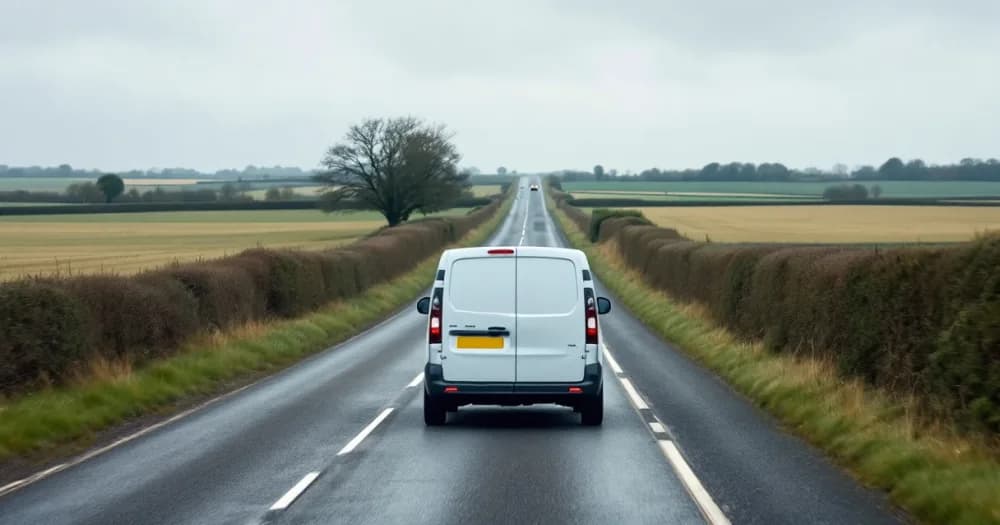
A sole trader wants a van on business contract hire.
- They choose the van and the agreement terms with a broker, and the order is placed.
- Before delivery, the funder asks for proof of fully comprehensive cover that suits the van's business use.
- The sole trader gets insurance quotes using the van's exact make, model and specification. They state that the van is leased and list the drivers.
- They buy a policy starting on the delivery date and send the funder the certificate or cover note.
- The van is delivered and they start using it.
- Later, the van is written off in an accident that wasn't their fault or was their fault. The insurer assesses the van's market value and pays on that basis.
- If the settlement sum under the agreement is more than the insurer's payout, the sole trader is responsible for the difference unless they hold GAP cover or something equivalent.
The key point is that the policy is the hirer's responsibility from the first day of the agreement. The details of the settlement depend on the agreement, so read that part carefully.
Related questions
- What if I let my insurance lapse? This would usually breach the agreement. The funder may take action under its terms, and you could be driving uninsured, which is an offence.
- Can I change insurer during the agreement? Generally yes, provided the new policy meets the funder's requirements and there is no gap in cover. Tell the funder if it asks to be informed.
- Does contract hire include breakdown cover or maintenance? Only if you choose an agreement that includes them. Ask what is covered and what is not.
- Is this different for personal contract hire? The principle is similar, but this page is about business contract hire. Check the terms of any personal agreement separately.

Questions people ask
Do I need comprehensive insurance on a leased car or van?
Usually yes. Most funders require fully comprehensive cover, so check the minimum in your agreement before you buy a policy.
Can the leasing company arrange the insurance for me?
Some may offer or recommend options, but you should not assume that. Ask at the quotation stage who arranges cover and what the agreement requires.
Do I need to tell my insurer the vehicle is leased?
Yes. Give accurate details of ownership, use and drivers, because wrong information can affect a claim.
What is GAP insurance and do I need it?
GAP insurance is intended to cover the difference between an insurer's payout and what you owe under the agreement if the vehicle is written off. Whether you need it depends on your agreement and your existing policy.
Who pays the excess if I make a claim?
You do. The excess is part of your policy, so you pay it as the policyholder.