Is car leasing cheaper than buying?
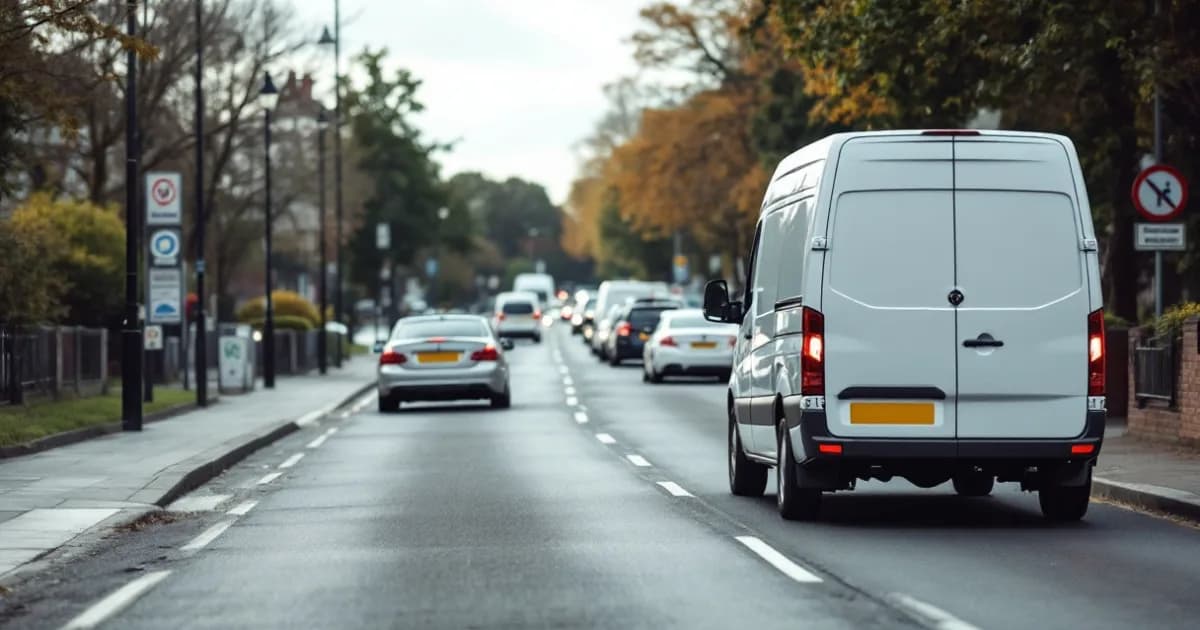
Leasing is not automatically cheaper than buying. Business contract hire usually has lower upfront costs and a fixed monthly payment, but you never own the vehicle. Buying can cost less overall if you keep the vehicle for a long time. It depends on your usage and tax position.
The detail
What you pay for. With contract hire, you pay for the part of the vehicle's value used up during the agreement, plus finance costs and any fees. When it ends, you hand the vehicle back. When you buy, you pay for the whole vehicle, but you keep it and can sell it later.
Where leasing tends to help.
- Little or no large upfront payment, so cash stays available for the business.
- A fixed monthly payment that is easy to budget for.
- No need to sell the vehicle, and no resale value risk falling on you.
- Many business users can treat rentals as a business expense, and may be able to recover some VAT. The rules differ for cars and vans, so check with your accountant.
Where buying tends to help.
- No mileage limit and no end-of-contract condition checks.
- You can keep the vehicle for as long as it is useful, including years after any finance has been paid off.
- You can modify it freely and sell it when it suits you.
Costs that can change the answer.
- Excess mileage charges if you go over the agreed mileage.
- Charges for damage beyond fair wear and tear at the end.
- Early termination charges if you need to end the agreement before the agreed term.
- Maintenance, which is usually your responsibility unless you add a maintenance package.
A worked example
Rather than invent numbers, here is how to compare the two options using your own quotes. Use the same vehicle, the same period and the same annual mileage for both.
Leasing, over the period you would keep the vehicle:
- Add up all the monthly rentals.
- Add any initial rental, arrangement or documentation fees.
- Add the maintenance you would pay for separately, if it is not included.
- Add a realistic allowance for excess mileage or end-of-contract charges.
Buying, over the same period:
- Start with the purchase price, including any deposit and finance costs if you borrow.
- Add maintenance, servicing and tyres.
- Subtract what you expect to sell the vehicle for at the end. This is the least certain figure, because used values can move.
Compare the two totals. If the vehicle will still be useful to you well after the period, buying may come out ahead. If you want a fixed cost, regular replacement and no resale risk, leasing may suit better, even if the total is higher. Then consider tax with your accountant, because it can shift the result either way.
Related questions
- Can a limited company or sole trader lease a car?
- What happens at the end of a business contract hire agreement?
- Is contract hire different from personal contract purchase?
- Is it better to lease a van or buy one?
Questions people ask
Is leasing a car cheaper per month than buying on finance?
Often the monthly payment is lower, because you are paying for the use of the vehicle rather than its full value. The total cost over time is a different matter, and you should compare it as described above.
Do I own the car at the end of contract hire?
No. Contract hire is a long-term rental, and the vehicle goes back to the funder at the end. If you want to own it, you would need a different type of finance.
Does leasing work for a business with high mileage?
It can, but mileage is set at the start and going over it usually brings extra charges. Estimate your annual mileage as honestly as you can before agreeing a quote.
Who provides the finance?
Swiss Vans Ltd is a credit broker, not a lender. It arranges contract hire through funders, and any agreement is subject to the funder's own checks and terms.