Does a leased van count as a company asset?
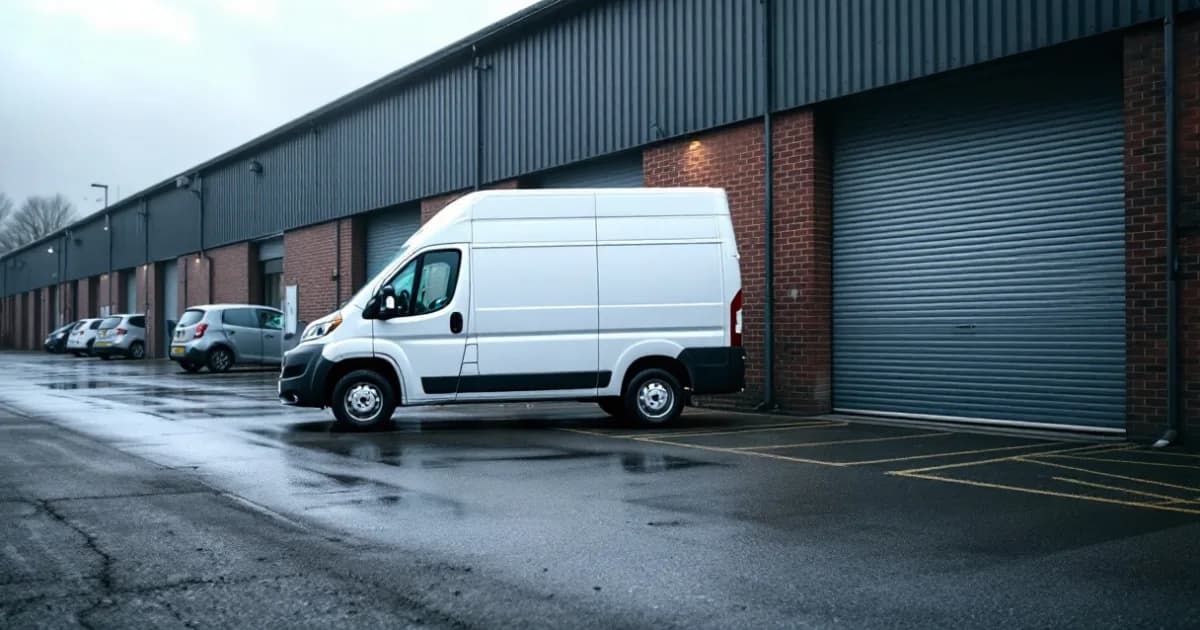
A leased van on contract hire is not legally owned by your business. The finance company owns it and you hire it. Whether it appears on your balance sheet as an asset depends on your accounting framework, so confirm the treatment with your accountant.
The detail
Ownership. With business contract hire, the leasing company (the lessor) owns the van throughout. Your business is the hirer. You pay rentals for the use of the vehicle and hand it back at the end, unless you agree something different. Legally, it is not your asset.
Accounting. "Company asset" can mean two things: something you own, or something you control and show on your balance sheet. The second depends on the rules you report under:
- Companies using UK-adopted IFRS follow IFRS 16. A lessee generally records a right-of-use asset and a matching lease liability, with exemptions for short-term and low-value leases.
- Companies using FRS 102 have traditionally treated contract hire as an operating lease, with rentals charged to the profit and loss account. Amendments to FRS 102 for periods starting on or after 1 January 2026 move this closer to the IFRS 16 approach.
- Micro-entities using FRS 105 usually keep the simpler treatment.
Tax. Because you do not own the van, you do not normally claim capital allowances on it. Rentals are usually treated as a business expense, subject to the rules for your circumstances. VAT treatment depends on the vehicle type and how it is used.
We are a credit broker, not an accountant or tax adviser, so treat this as general information. Your accountant can confirm how your own accounts and tax position are affected.

A worked example
Take a limited company that runs a small plumbing business. It takes a van on contract hire for a fixed term, with an agreed mileage allowance.
- The leasing company owns the van. The company is the hirer and the van is not recorded as an owned fixed asset.
- If the company reports under IFRS 16, its accountant may record a right-of-use asset and a lease liability for the hire period. If it reports under older FRS 102 rules, the rentals may simply be expensed as they fall due.
- It cannot claim capital allowances on the van, because it does not own it. Its accountant decides how the rentals are treated in the tax computation.
- At the end of the term, the van goes back to the lessor. If the company wants to own a van instead, a different product such as hire purchase would be the route, and that would be treated differently.
The same van can be treated differently in two sets of accounts. The contract is the same; the reporting framework differs.
Related questions
- Can I claim capital allowances on a contract hire van? Generally not, because you are not the owner.
- Does contract hire affect my borrowing? Lenders may take hire commitments into account when they assess your finances.
- Is hire purchase different? Yes. With hire purchase you usually end up owning the vehicle, so it is typically treated as an asset you own.
Questions people ask
Is a contract hire van owned by my business?
No. The lessor owns it for the whole agreement, and your business pays to use it.
Can a leased van appear on my balance sheet?
It can. Under IFRS 16, and under FRS 102 for periods starting on or after 1 January 2026, a lessee may record a right-of-use asset and a lease liability. Your accountant can say which applies to you.
Can I claim capital allowances on a leased van?
Not usually under contract hire, as capital allowances relate to assets you own. Your accountant can advise on how the rentals are treated for tax.
Does a lease change who is responsible for the van?
Your agreement sets out your responsibilities, such as maintenance, insurance and condition on return. Read the terms before you sign.