Leasing a Van for Delivery Work
The short answer
Leasing a van for delivery work requires balancing load capacity, fuel efficiency, and contract flexibility to ensure your vehicle supports your business growth. Choosing a model that fits your specific daily routes while keeping monthly outgoings predictable is essential for long-term operational success, allowing you to focus on your customers rather than unexpected maintenance costs or vehicle downtime.
What to weigh up
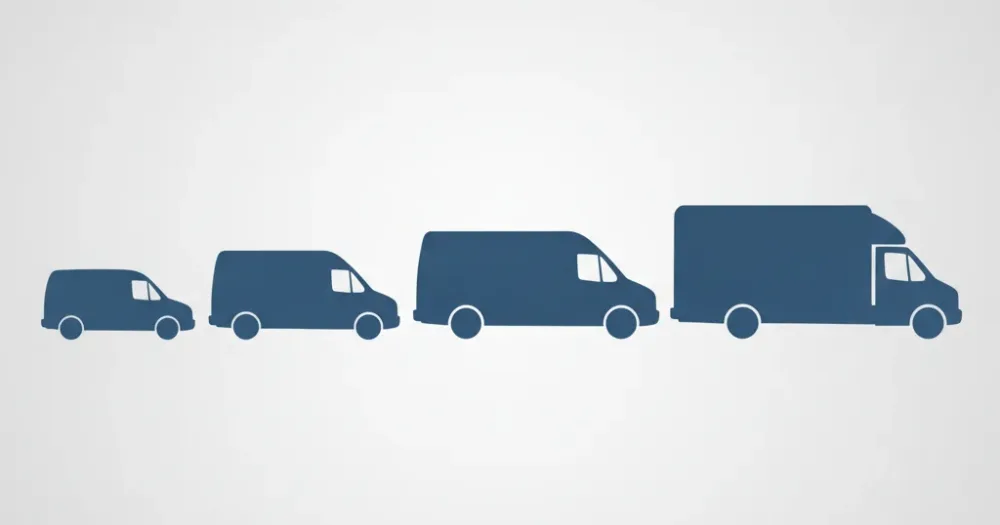
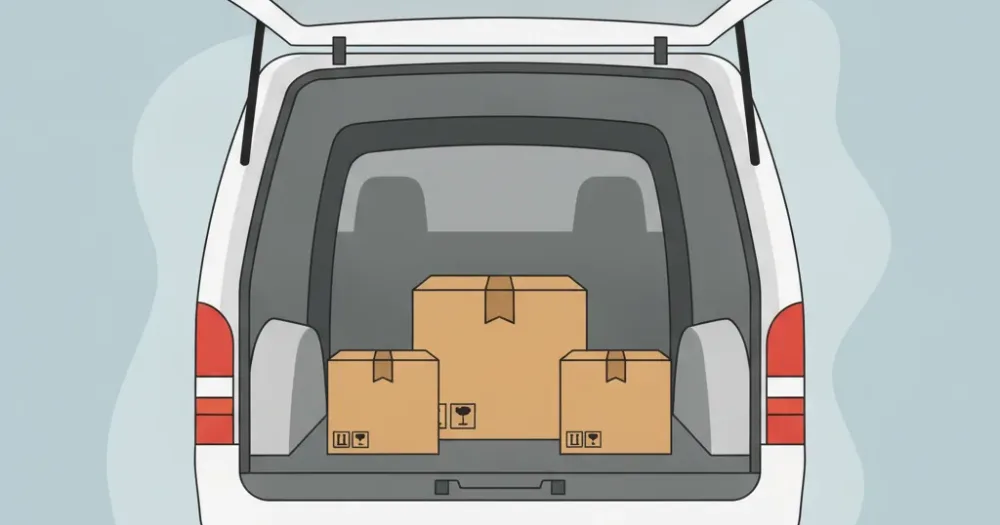
Before committing to a lease, evaluate the physical demands of your delivery schedule. Consider whether you need a small, agile van for urban streets or a larger vehicle for high-volume drops. Reliability is paramount, as vehicle failure directly translates to missed deliveries and damaged reputation. Additionally, assess the accessibility of the cargo area, as efficient loading and unloading are vital when performing multiple stops in a single shift.
Costs and terms to check
When reviewing lease agreements, focus on the mileage limits and the end-of-contract obligations. Delivery work often involves high mileage, so ensure your agreement accommodates your expected annual travel to avoid hefty excess mileage charges. It is also wise to examine the servicing inclusions, as a contract that bundles maintenance can help you manage cash flow by keeping repair costs predictable and manageable.

Common mistakes
One common error is underestimating the cargo space required for seasonal demand peaks, which can lead to inefficient double-trips. Another pitfall is ignoring the importance of fuel economy, which can rapidly erode profit margins across a busy delivery schedule. Finally, failing to consider the vehicle's future resale value or contract exit options can leave you locked into a van that no longer suits your evolving business requirements.
FAQs
What matters most when leasing a van for delivery work? Reliability, appropriate load space for your specific goods, and a mileage allowance that matches your actual driving habits are the most critical factors to consider.
Is it better to lease or buy a van for business? Leasing is often preferred for deliveries because it allows you to upgrade to a newer, more efficient vehicle frequently, whereas buying keeps the asset on your books but places the burden of depreciation and maintenance on you.
What happens if I go over my mileage limit? If you exceed your agreed annual mileage, you will typically be charged an excess mileage fee for every mile over the limit, so it is important to estimate your requirements as accurately as possible at the start.
Does my delivery van lease include insurance? Standard van leases do not include insurance, so you will need to arrange your own comprehensive commercial vehicle insurance separately.
contracthire.tv is a trading name of Swiss Vans Ltd, authorised and regulated by the Financial Conduct Authority (FRN 668283) as a credit broker, not a lender.