Leasing Vehicles for Employees: The Options

The short answer
Leasing vehicles for employees typically involves choosing between Contract Hire, Finance Lease, or a Salary Sacrifice scheme, depending on your tax preferences and operational needs. These arrangements allow businesses to provide necessary transport without the high capital expenditure of purchasing a fleet outright. Each model offers distinct benefits regarding maintenance, tax efficiency, and long-term commitment.
What to weigh up
Before selecting a vehicle policy, consider how your employees use their vans. Daily mileage requirements, payload needs, and the importance of vehicle branding are key variables. You must decide whether you want the business to retain the vehicle at the end of the term or if you prefer a simple handover process. Understanding the difference between operational needs and personal benefit is crucial for choosing the right route.

Costs and terms to check
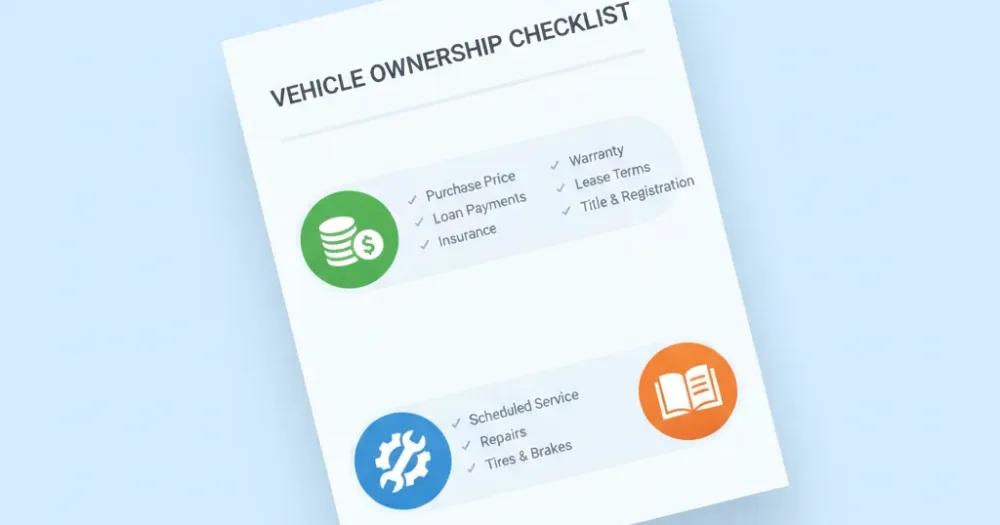
Always review the total cost of ownership rather than just the monthly payment. Check for excess mileage charges, maintenance inclusions, and early termination clauses that could impact your bottom line. Ensure the lease agreement aligns with your specific VAT status, as reclaimable amounts vary between different contract types. Transparency regarding wear and tear policies is also essential to avoid surprise fees at the end of the contract.
Common mistakes
A frequent error is underestimating expected annual mileage, which leads to costly excess fees when the contract concludes. Businesses often fail to properly account for tax implications, particularly when employees use vans for personal travel, leading to unexpected Benefit-in-Kind tax bills. Additionally, overlooking the specific maintenance requirements or service intervals can void warranties and cause unnecessary downtime for your fleet operations.

FAQs
What are the options for leasing vehicles for employees? The main options include Contract Hire, which offers fixed costs and easy upgrades, Finance Lease for those wanting more control over the asset, and Salary Sacrifice schemes which can provide tax efficiencies for both parties.
Who is responsible for the insurance on a leased vehicle? Generally, the business leasing the vehicle is responsible for arranging and paying for comprehensive insurance, though you should always verify the specific requirements set out in your lease agreement.
Can an employee keep the van at the end of a lease? Whether an employee or the business can keep the vehicle depends entirely on the type of contract; some agreements include an option to purchase, while others, like standard Contract Hire, require the vehicle to be returned.
Does the business have to pay for routine maintenance? Maintenance is optional; you can choose to include a service package within your lease agreement for a flat monthly fee, or manage the servicing and maintenance independently through your own providers.
contracthire.tv is a trading name of Swiss Vans Ltd, authorised and regulated by the Financial Conduct Authority (FRN 668283) as a credit broker, not a lender.