Lower-cost cars to lease in 2026
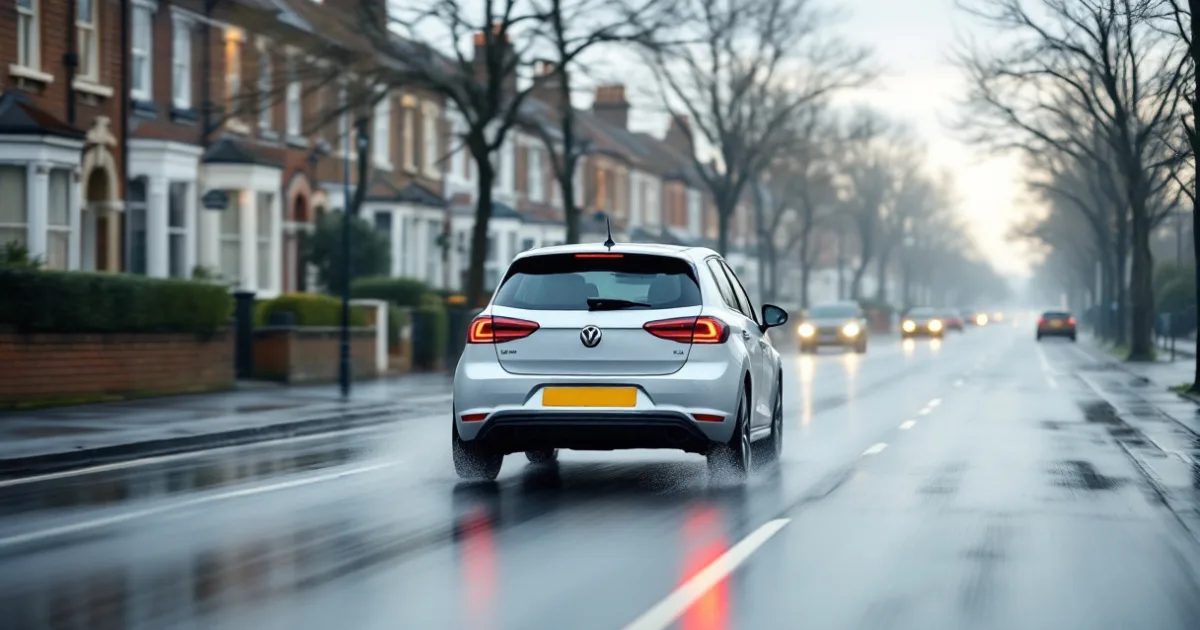
Lower-cost cars to lease in 2026 is a broad topic, because the monthly rental on a business contract hire agreement depends on much more than the badge on the bonnet. Vehicle size, powertrain, specification, contract length, mileage and the up-front payment all feed into it.
This page covers the types of car that tend to suit tighter budgets, and what to check before you commit. Contract hire here means business contract hire: the vehicle is leased to a company, sole trader or partnership, and is not owned by the business at the end.
The options
These are the categories that most often sit at the lower-cost end of a lease list. Availability and terms change, so treat them as starting points rather than a shortlist.
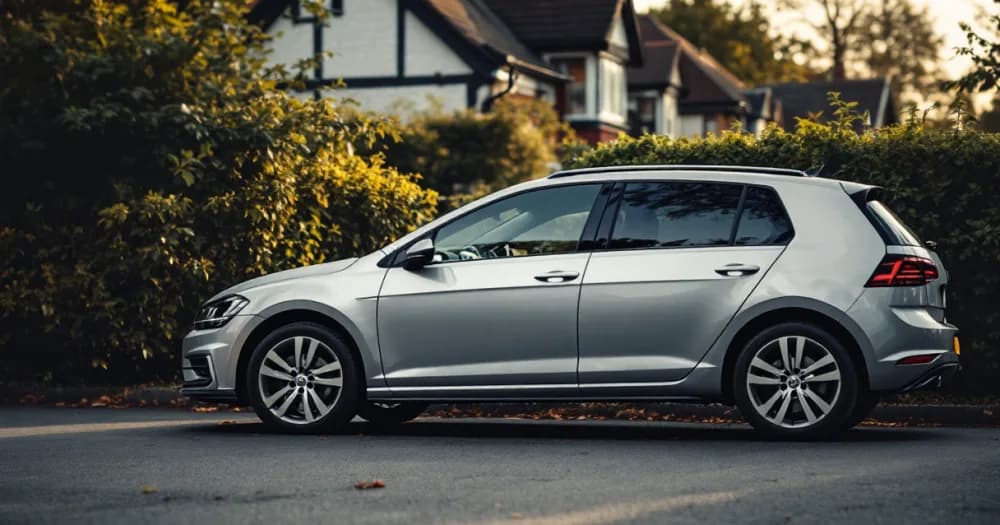
- Small petrol hatchbacks. Simple, light and usually well equipped for the size. They suit town driving and lower annual mileages.
- Small and compact hybrids. These can reduce fuel spend for drivers doing a mix of urban and longer journeys, and they don't need a charging routine.
- Smaller electric cars. Running costs can be low, and company car tax treatment is often more favourable for electric vehicles. They work best where there is reliable charging at home or at work. Check the real-world range against your regular journeys.
- Compact crossovers and small SUVs. Some entry-level trims are competitive on monthly rental while offering a higher driving position and more boot space.
- Previous-generation or run-out models. When a manufacturer is clearing stock or a model is near the end of its life, funders sometimes offer more favourable terms. Availability is limited and can change quickly.
- Lower trim levels. Choosing a base or mid-level specification instead of a top trim usually brings the monthly rental down. Look at which features you would actually use.

What to check
A low monthly rental is only part of the picture. Before you sign, look at the following.
- Contract length and mileage. A longer term or a lower annual mileage can reduce the rental, but excess mileage charges can add up if you underestimate. Be realistic about how far you drive.
- Initial rental. A larger up-front payment can lower the monthly figure but not necessarily the total cost. Compare the full cost across the whole term.
- Maintenance. Some agreements include servicing and tyres, and others don't. Find out what is covered and what you would pay for separately.
- Fair wear and tear. Ask for the funder's end-of-contract condition standards, so you know what could lead to a charge on return.
- Fees. Check for delivery, documentation or administration fees, and for early termination terms. Contract hire agreements are generally hard to end early.
- Insurance and running costs. Insurance group, fuel or electricity, and road tax all affect what the car costs to run.
- Tax and VAT. The treatment of lease rentals, VAT and benefit-in-kind depends on your business and the vehicle. Check with your accountant.
- Eligibility. Business contract hire is subject to status. Funders assess each application individually, and nothing can be promised in advance.
Next step
If you have a rough idea of the type of car, the term and the annual mileage, we can look at suitable options for your business. Tell us what you need and we will explain what is available and what each agreement includes.
Swiss Vans Ltd trades as contracthire.tv. We are a credit broker, not a lender (FCA FRN 668283), and we introduce applications to funders. Any agreement is subject to status and to the funder's terms.

Questions people ask
Is a smaller car always cheaper to lease?
Not always. Size is one factor, but the specification, the contract length, the mileage and current funder terms all affect the monthly rental. Compare a few options with the same term and mileage.
Can I lease a car as a sole trader or a small business?
Business contract hire is available to many sole traders, partnerships and limited companies. Each application is assessed by the funder, and acceptance can't be promised.
Are electric cars a lower-cost choice for business leasing?
They can be, particularly where charging is easy and the company car tax treatment suits the driver. The right answer depends on your usage, so check your journeys and your tax position before deciding.
What happens if I go over my agreed mileage?
Most agreements charge for each excess mile at the end of the contract. Choosing a realistic mileage at the start is usually better than paying the excess later.