Choosing between a small, medium and large van
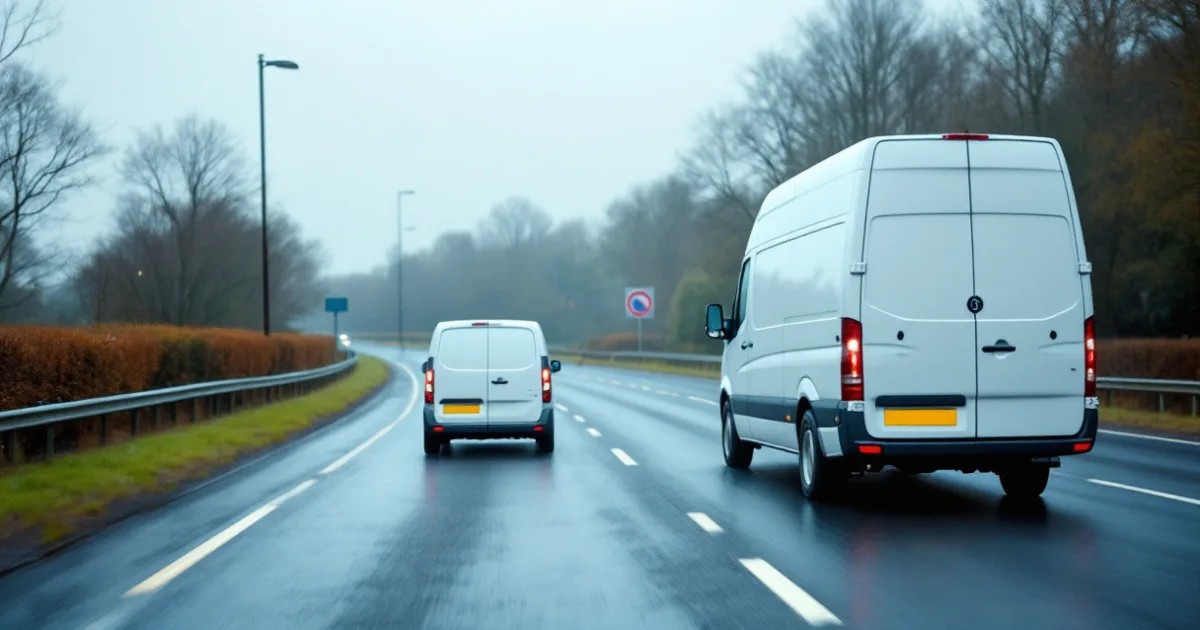
Picking the right van size is one of the first decisions in any business contract hire enquiry, and it affects everything that follows: the payload you can carry, how easily you can park and load, and what the van costs to run. Vans are usually grouped into small, medium and large. The labels are loose, and manufacturers describe their models in slightly different ways, so it helps to focus on what you actually need to carry and where you need to take it.
This guide sets out the three sizes, what tends to suit each, and the checks worth making before you ask for a quote.
The options
Small vans
Small vans are based on car-derived or compact designs. They are easier to drive and park in towns, and they often suit people who carry tools, samples or parcels rather than bulky items. Load space and payload are limited, so they are less suited to long materials or heavy equipment.
Medium vans
Medium vans are the most common choice for tradespeople and small businesses. They offer a useful balance of load length, payload and everyday manoeuvrability. Many are available with different roof heights and body lengths, and some have a crew cab layout if you need to carry passengers as well as equipment.
Large vans
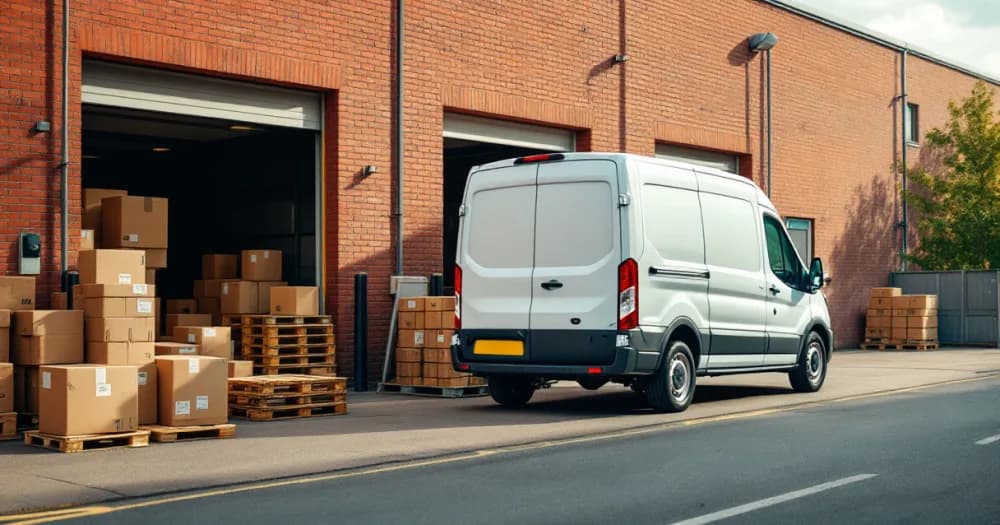
Large vans give the most load length, height and volume. They suit deliveries of bulky goods, pallets, shelving or fitted-out workshops. They are also bigger to park and manoeuvre, and may be affected by height restrictions at some sites and car parks.
Within each size there are usually choices of wheelbase, roof height, payload rating and fuel type, so two vans in the same category can differ quite a bit.
What to check
- Payload. Add up the weight of your tools, stock and equipment, and compare it with the van's stated payload. Remember that racking and fittings use up some of that allowance.
- Load dimensions. Measure the longest, widest and tallest items you carry regularly, and check them against the load area, including the door openings and wheel arches.
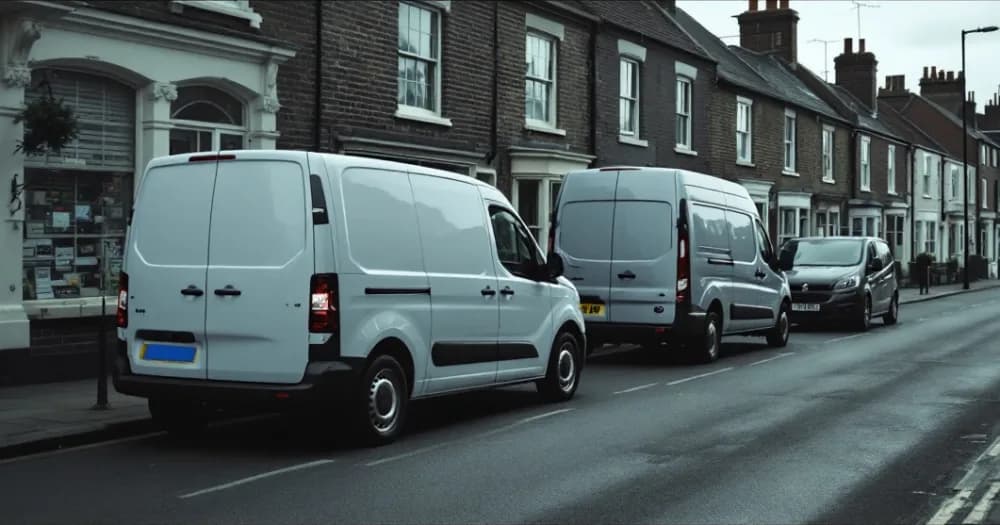
- Access. Consider where the van will be parked and loaded: low car parks, narrow streets, customer sites with height barriers, or a home driveway.
- Driving licence. Heavier vans can fall outside what some licences allow. Check the van's gross vehicle weight against the licence held by every driver.
- Mileage. Contract hire agreements are based on an annual mileage. Work out a realistic figure, as exceeding it can lead to excess mileage charges.
- Fuel type. Diesel, petrol and electric vans suit different journeys. For electric vans, think about range, charging at your base and typical daily distances.
- Conversions and fit-out. If you need racking, a bulkhead or other additions, ask whether they are allowed under the agreement and how they affect return conditions.
- Running costs. Larger vans generally use more fuel and can cost more to insure, so factor this in alongside the contract itself.
Next step
Once you have a shortlist of one or two sizes, tell us what you carry, how far you drive and how long you want the agreement to run. Swiss Vans Ltd is a credit broker, not a lender, and we can help you compare van contract hire options from our panel of providers. Any agreement is subject to status and the provider's own criteria, so we can't say in advance what will be offered.

Questions people ask
Can I switch size part-way through a contract?
Contract hire agreements are normally fixed for the agreed term, and ending one early can involve charges. It is better to choose carefully at the start, and to ask about early termination terms before signing.
Is a medium van enough for most trades?
Many tradespeople find a medium van covers their needs, but it depends on the length of materials and the weight of what you carry. Measure your regular loads rather than relying on the size label.
Does a larger van need a different licence?
Some larger or heavier vans can exceed the weight allowed on certain car licences. Check the van's gross vehicle weight and your licence entitlement before you order.
Do I need to know my annual mileage?
Yes, an estimate is needed because the agreement is based on it. Look at your recent journeys and add a sensible allowance for growth in work.