Can a sole trader lease a van?
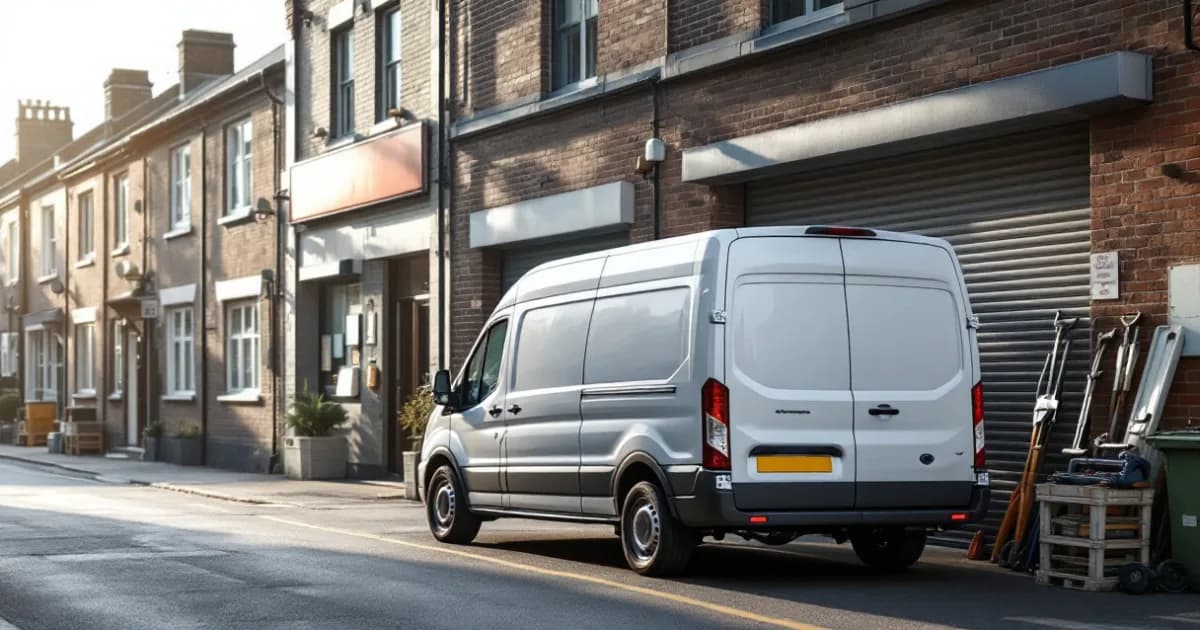
Yes, a sole trader can usually lease a van on business contract hire. The funder assesses you personally, because a sole trader is not a separate legal entity. Whether an application is accepted depends on the funder's checks on your credit history and trading position.
The detail
You are the business. A limited company is legally separate from its owners. A sole trader is not, so you are personally responsible for the lease agreement. The funder will look at your personal credit file and at how your business trades.
What funders commonly ask for. Requirements differ between funders, but you can expect some or all of the following:
- Proof of identity and your current address, and often your address history
- Your trading name and how long you have been self-employed
- Recent business bank statements
- Evidence of income, such as a tax return or SA302, or accounts if you have them
- Details of the van you want and how you will use it
Newer businesses. A short trading history does not rule you out, but it may mean the funder asks for more information. In some cases it may ask for a larger initial rental or an alternative arrangement. That is the funder's decision, not ours.
Business use only. Business contract hire is for business customers. The van should be used for your trade, and you should be clear with the funder about how it will be used.
What the agreement covers. You pay regular rentals for a fixed term and agree an annual mileage limit. At the end you hand the van back, and you may be charged for damage beyond fair wear and tear or for excess mileage. You do not own the van. Maintenance can sometimes be added as an option, and road tax is usually included in the rental.
VAT. If you are VAT-registered, the VAT treatment of van rentals depends on your circumstances and how the van is used. Ask your accountant, as we cannot give tax advice.
Our role. Swiss Vans Ltd is a credit broker, not a lender. We introduce you to funders and do not make the credit decision ourselves.
A worked example
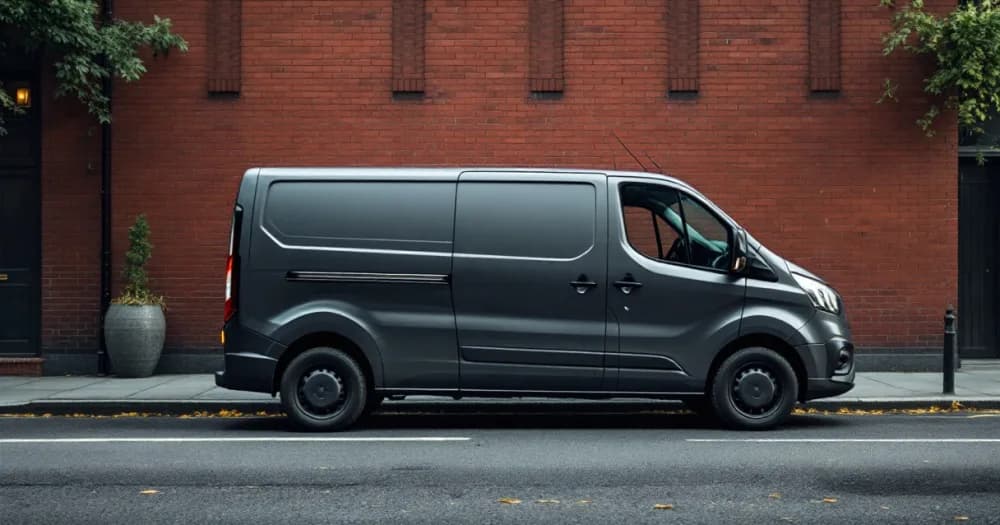
Take a self-employed electrician who trades under their own name and has no limited company. They need a van to carry tools and materials to jobs, and they would rather pay a regular rental than buy outright.
- They choose a van that suits the work, along with a contract length and an annual mileage that match how far they expect to drive.
- They send an enquiry through us with their details and the van they have in mind.
- We introduce the enquiry to funders. A funder asks for ID, proof of address and bank statements, and may ask for tax return information too.
- The funder runs a credit check on the electrician personally and reviews how the business is trading.
- The funder then decides whether to offer an agreement and on what terms. If it does, the electrician reads the terms before signing, including the rentals, the mileage limit and the end-of-contract conditions.
- If the funder declines, the electrician can ask what information would help, or look at a different van or term. Nothing is assured at any stage until the funder has made its decision.
Related questions
- Is it better for a sole trader to lease or buy a van?
- Can I lease a van if I am newly self-employed?
- What happens at the end of a van contract hire agreement?
- Does a sole trader need a limited company to lease a van?
Questions people ask
Do I need to be a limited company to lease a van?
No. Sole traders can apply for business contract hire. The funder will assess you personally rather than a company.
Will a poor credit history stop me leasing a van?
It can make acceptance less likely, and funders make their own decisions. We cannot promise an outcome, but we can introduce your enquiry to funders.
Can I use a leased van for private journeys?
That depends on the agreement and on how the funder defines business use. Tell them how you plan to use the van, and ask your accountant about the tax position.
Who owns the van during the lease?
The funder owns it. You pay rentals to use it for the agreed term and return it at the end.