BYD Car Leasing: A Complete Guide
BYD Car Leasing: A Complete Guide
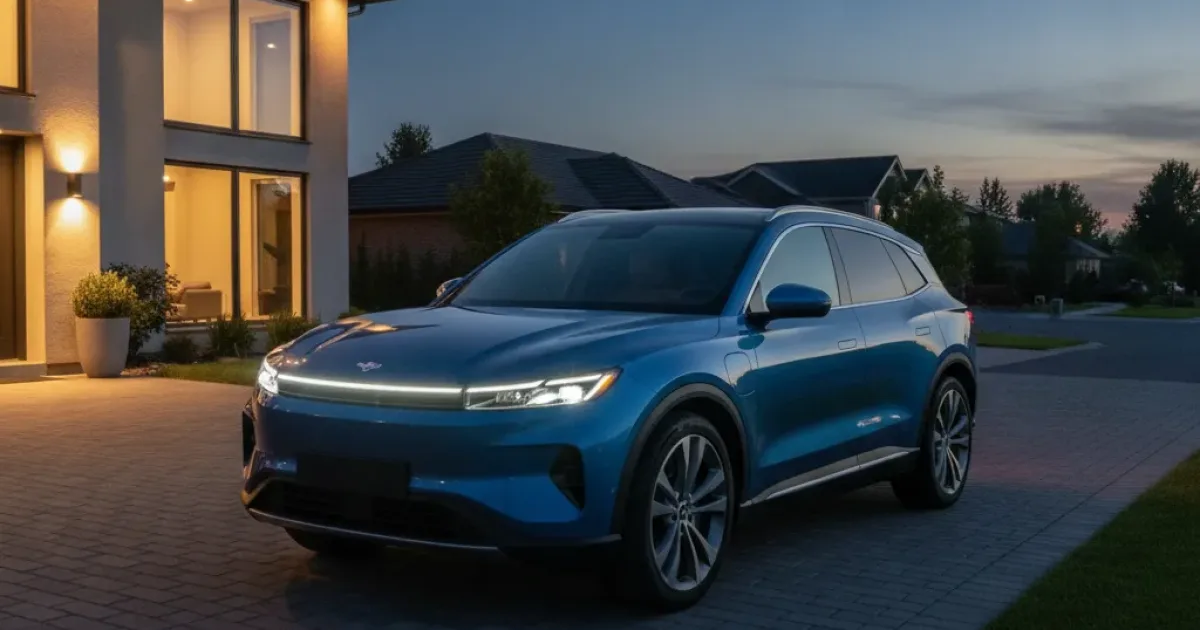
BYD car leasing is a smart way to access advanced electric vehicle technology with flexible payment structures that suit your budget. Before you lease a BYD, you should evaluate your daily charging requirements, your anticipated annual mileage, and the specific interior features that match your lifestyle. Modern leasing allows you to drive a brand-new vehicle without the commitment of long-term ownership.
Why lease a BYD
The appeal of BYD technology
Choosing BYD car leasing gives you immediate access to one of the most innovative manufacturers currently entering the UK market. BYD, which stands for Build Your Dreams, has invested heavily in proprietary battery technology, most notably the Blade Battery. This innovation is designed to enhance thermal stability and safety, providing peace of mind for the daily driver. When you lease, you are effectively paying for the depreciation of the vehicle over the term of your agreement. This is particularly advantageous with electric vehicles, as it removes the uncertainty surrounding long-term battery degradation and evolving technology. Leasing a BYD allows you to transition into the latest high-tech vehicle, enjoy sophisticated safety suites, and experience premium interior finishes that are often found in much more expensive marques. The brand focuses heavily on sustainable materials and high-quality construction, meaning your lease vehicle will feel robust and well-appointed from the very first day you collect it.
The financial benefits of leasing
Leasing operates differently from a traditional purchase. By opting for a contract hire agreement, you bypass the worry of selling a used vehicle or dealing with fluctuating trade-in values. Instead, you enter a fixed-term contract where your usage costs are predictable. This financial clarity is a major factor for both business users and private motorists. By spreading the cost of the vehicle, you can often afford a higher specification model than you might otherwise consider. With no concerns about balloon payments at the end of the term, you simply return the vehicle and decide on your next upgrade. This makes BYD car leasing a highly efficient way to manage your vehicle expenses while staying at the cutting edge of automotive design.
BYD cars you can lease
Exploring the current lineup
The BYD range available for leasing is expanding rapidly, covering various categories from compact city cars to spacious family SUVs. The BYD Atto 3, for instance, has gained significant popularity due to its unique interior design, which draws inspiration from gym equipment and modern aesthetics. It offers a balance of comfort, performance, and range that fits perfectly into the lifestyle of a commuter or a family. For those seeking more space and utility, the BYD Seal provides a different proposition with its sleek, aerodynamic profile and performance-oriented handling. Whether you are looking for an urban runabout or a longer-distance tourer, there is a model within the BYD range to accommodate your needs. Reviewing the specifications of each model helps identify which one aligns with your garage space, charging capabilities, and the number of passengers you typically carry. We recommend visiting our latest deals section to see the specific variants currently ready for delivery.
Matching your lifestyle to a model
Selecting the right vehicle depends on how you use your car every day. If your commute involves heavy traffic, the regenerative braking systems in BYD models become a significant advantage. If you frequently travel with family, the cabin space and luggage capacity of their SUV offerings become paramount. Leasing allows you to test these features over a two, three, or four-year period. If your needs change, you can adjust your requirements for the next lease cycle. This adaptability is the core strength of the leasing model, ensuring that you are never stuck with a vehicle that no longer suits your life. Each BYD model comes equipped with advanced infotainment systems, which are consistently updated to ensure you have the best digital experience while on the road.
Petrol, diesel, hybrid and electric options
The focus on electric innovation
It is important to understand that BYD currently focuses almost exclusively on electric vehicle technology. While the industry has historically relied on internal combustion engines, BYD has pivoted entirely to battery electric vehicles (BEVs). This specialization means that when you engage in BYD car leasing, you are investing in a brand that is dedicated to the future of zero-emission motoring. Electric driving offers a smooth, quiet, and instantaneous torque delivery that is very different from traditional petrol or diesel engines. There are no oil changes, no exhaust systems to maintain, and significantly fewer moving parts, which simplifies the overall maintenance profile. As more charging infrastructure appears across the UK, the convenience of electric driving increases, making a BYD lease an excellent choice for modern drivers who are ready to transition away from traditional fuels.
Future-proofing your transport
By opting for a pure electric vehicle, you are also future-proofing your driving against potential changes in city center restrictions or emissions zones. Because these cars emit no tailpipe emissions, they are generally exempt from many congestion charges and offer lower tax brackets. This is a critical factor when calculating the total cost of your motoring. Transitioning to electric also changes how you refuel, moving away from petrol stations to home charging or rapid public chargers. Planning for this shift involves assessing your home energy setup, such as the installation of a wall box, which will ensure your BYD is fully charged every morning. Choosing an electric model is a significant step, but one that is well-supported by the current BYD range, which emphasizes range efficiency and fast-charging compatibility.

Trim levels and what the options add
Understanding the hierarchy
BYD typically structures its trim levels to provide a comprehensive experience even at the entry level. Unlike some manufacturers that offer a bare-bones base model, BYD includes a high level of standard equipment across the board. You will often find advanced driver-assistance systems, panoramic sunroofs, synthetic leather upholstery, and large, rotating infotainment screens included as standard. As you move up the trim levels, you are primarily adding creature comforts rather than essential functional features. For example, higher-spec models might include upgraded sound systems, ventilated seats, or advanced ambient lighting configurations. When configuring your lease, check the brochure or the specifications list carefully to determine whether the higher trim level offers enough added value for your specific preferences. The beauty of leasing is that you can choose to include these premium options within the overall monthly arrangement.
Why spec matters for your lease
Selecting the right trim level can influence how much you enjoy your time with the car. Since you will be using the vehicle for several years, spending a little time researching the differences between trim levels is essential. Consider the climate you drive in and whether features like heated seats or a heated steering wheel will significantly improve your winter driving experience. Additionally, think about the interior aesthetics. BYD is known for bold design choices; some trims might offer specific color palettes that feel more sophisticated than others. Remember that these features are part of the car for the duration of your lease, and they play a role in making your commute more enjoyable. Whether you prioritize technology, comfort, or style, identifying the right trim level ensures that your chosen BYD feels personalized to your requirements from day one.
Monthly rental, initial rental and mileage
Defining the financial structure
Your lease agreement is defined by three primary variables: the initial rental, the monthly rental, and the annual mileage. The initial rental is an amount paid at the very beginning of the contract, which essentially reduces the amount financed over the rest of the term. A higher initial rental results in lower subsequent monthly payments. The monthly rentals are fixed for the duration of the agreement, providing you with total certainty for your budget. Mileage is the final piece of the puzzle. You must estimate how many miles you expect to cover each year, as this figure directly impacts the depreciation rate of the vehicle. It is vital to provide an accurate estimate, as exceeding your agreed mileage can result in excess mileage charges at the end of the contract. Being realistic about your travel habits ensures that the contract remains affordable and stress-free throughout its lifespan.
Planning your payments
When you start looking at lease options, consider how the initial payment and monthly costs balance against your current cash flow. Some drivers prefer to put down a larger initial payment to keep monthly commitments at their absolute minimum. Others prefer to spread the cost more evenly, keeping their initial outlay low. We recommend looking at various scenarios to see what fits your financial situation best. Our team can help explain how these adjustments affect your lease arrangement. It is important to remember that the lease cost covers the use of the car for the agreed term and mileage. Once the agreement is signed, these figures do not fluctuate, which is one of the primary reasons why leasing is such a popular choice for motorists who value predictable financial planning over the uncertainty of owning a rapidly depreciating asset.
Choosing a contract length and annual mileage
Finding the right term
Contract lengths typically range from two to four years. Choosing the right length depends on how often you like to change your vehicle. If you enjoy having the newest technology as soon as it is released, a two-year lease is ideal, as it allows you to upgrade frequently. If you prefer to settle into a vehicle and minimize the frequency of changing cars, a four-year term might be more appropriate. You should also consider the warranty coverage, as most BYD models come with a manufacturer warranty that lasts several years. Aligning your contract length with this warranty period provides an extra layer of comfort. Always think about your future needs; if you anticipate changes in your family size or work commute, selecting a shorter lease gives you more flexibility to switch vehicles sooner.
Managing your annual allowance
Calculating your annual mileage requires looking at your history. Take your last few years of driving records and calculate the average. Remember that commuting, school runs, weekend trips, and annual holidays all add to this total. It is better to be slightly generous with your mileage estimate than to be conservative. If you consistently find yourself under your limit, you can adjust downwards on your next lease. However, if you are constantly over, you may face unexpected costs. Modern leasing gives you the freedom to set the mileage that reflects your reality. Whether you are a low-mileage city driver or a high-mileage business professional, there is a configuration that works for you. Take the time to get this estimate right before you finalize your agreement to ensure a smooth, worry-free experience.
What is included and what you still pay for
Lease inclusions
When you lease a BYD, your monthly rental includes the cost of using the vehicle for the agreed term. Most lease contracts also include road fund license (vehicle tax) for the duration of the lease. This is a significant convenience, as it removes the need to track tax renewals. Additionally, the manufacturer warranty is included, protecting you against mechanical defects. Some lease agreements may also include maintenance packages, which cover routine servicing, tyre replacements, and other essential maintenance. This is highly recommended for drivers who want a truly 'all-in' cost experience. By choosing a maintenance-inclusive contract, you can budget even more effectively, knowing that your only major variable costs will be electricity, insurance, and cleaning.
Your responsibilities
While the lease covers the vehicle's use and taxation, you are responsible for several ongoing costs. Insurance is your responsibility and must be arranged before you take delivery. You are also responsible for charging the vehicle, whether at home or using public infrastructure. Regular maintenance is vital; even with an electric vehicle, you need to check your tyre pressures, washer fluid, and cabin air filters. If you do not choose a maintenance package, you must ensure that all servicing is carried out according to the manufacturer's schedule at an approved facility. Keeping the car in good condition is not just about reliability; it is a requirement of your lease agreement. Returning the vehicle in a state that meets 'fair wear and tear' guidelines is essential, so keeping the interior and exterior clean and well-maintained is part of your commitment as a lessee.
Running costs to plan for
Home charging considerations
The primary running cost for an electric BYD is electricity. The most cost-effective way to charge is via a home wall box charger. By utilizing off-peak energy tariffs, you can significantly reduce your "fuel" costs compared to petrol or diesel. Before you start your lease, investigate your home's energy capacity and the potential for a dedicated home charger installation. This initial setup is an investment that will pay off over the years of your lease. Public charging networks are widespread and reliable, but they often come at a premium compared to home charging. Planning your charging strategy involves knowing where your local fast chargers are located and being comfortable using various charging apps. Understanding these costs beforehand will make your transition to an electric BYD seamless.
Insurance and maintenance
Insurance for electric vehicles is similar to traditional cars, but because they have different performance characteristics, you should obtain quotes specifically for your chosen model. Some insurers now offer specialized EV policies that cover unique components like charging cables and batteries. Maintenance costs for BYDs are generally lower than combustion-engine vehicles because there is no oil, fewer filters, and less strain on the braking system due to regenerative braking. However, tyres are a consideration; electric vehicles are heavier and have instant torque, which can lead to faster tyre wear. Budgeting for a set of tyres at some point during a three or four-year lease is a prudent approach. Keeping a small contingency fund for these items will ensure your driving experience remains as enjoyable and affordable as possible.
Handing the BYD back at the end of the lease
The inspection process
At the end of your contract, the vehicle will be inspected to ensure it meets 'fair wear and tear' standards. This is a standard procedure in the industry, and it is designed to distinguish between acceptable, minor signs of daily use and actual damage. 'Fair wear and tear' includes minor scuffs, light stone chips, and normal tyre wear, provided these items are within the permitted guidelines. It does not cover deep scratches, significant dents, cracked glass, or heavily soiled upholstery. To prepare for the return, we recommend cleaning the vehicle thoroughly and carrying out your own inspection a few weeks before the collection date. This gives you time to address any potential issues. Most drivers find the process very straightforward when they take basic care of their vehicle throughout the term.
Preparing for your next vehicle
The end of your lease is a great opportunity to reflect on your driving experience and decide what you want next. Did the range meet your needs? Was the technology everything you hoped for? Was the size of the vehicle correct? Use the answers to these questions to inform your next choice. Many drivers choose to lease another BYD, perhaps an updated model or a different category within the range, because they have become accustomed to the brand's quality and the ease of the electric lifestyle. The transition between leases is designed to be smooth. You can typically arrange for your new vehicle to be delivered on the same day the old one is collected, ensuring you are never without transport. This continuity is one of the many reasons why so many customers choose to lease consistently year after year.
Frequently asked questions
FAQs
What should I know before starting a BYD lease? Before starting a lease, you should consider your home charging capabilities, your average annual mileage, and which BYD model best fits your daily driving habits and passenger requirements.
Are all BYD cars electric? Yes, the current BYD range in the UK focuses on battery electric vehicles, which offer a smooth driving experience with zero tailpipe emissions and low maintenance requirements.
Can I include vehicle maintenance in my lease agreement? Yes, many lease agreements offer the option to include a maintenance package, which covers routine servicing and essential repairs for a fixed monthly cost, providing greater financial predictability.
What happens if I exceed my annual mileage limit? If you exceed your agreed annual mileage, you will typically be charged an excess mileage fee for every mile over the limit. It is best to estimate your mileage accurately at the start of your contract to avoid these additional charges.
What is 'fair wear and tear' at the end of a lease? Fair wear and tear refers to the acceptable condition a vehicle is expected to be in at the end of a lease, accounting for normal daily use such as minor stone chips or light scuffs, provided they are within industry-standard guidelines.
contracthire.tv is a trading name of Swiss Vans Ltd, authorised and regulated by the Financial Conduct Authority (FRN 668283) as a credit broker, not a lender.