Ford Transit Custom Van Leasing Guide
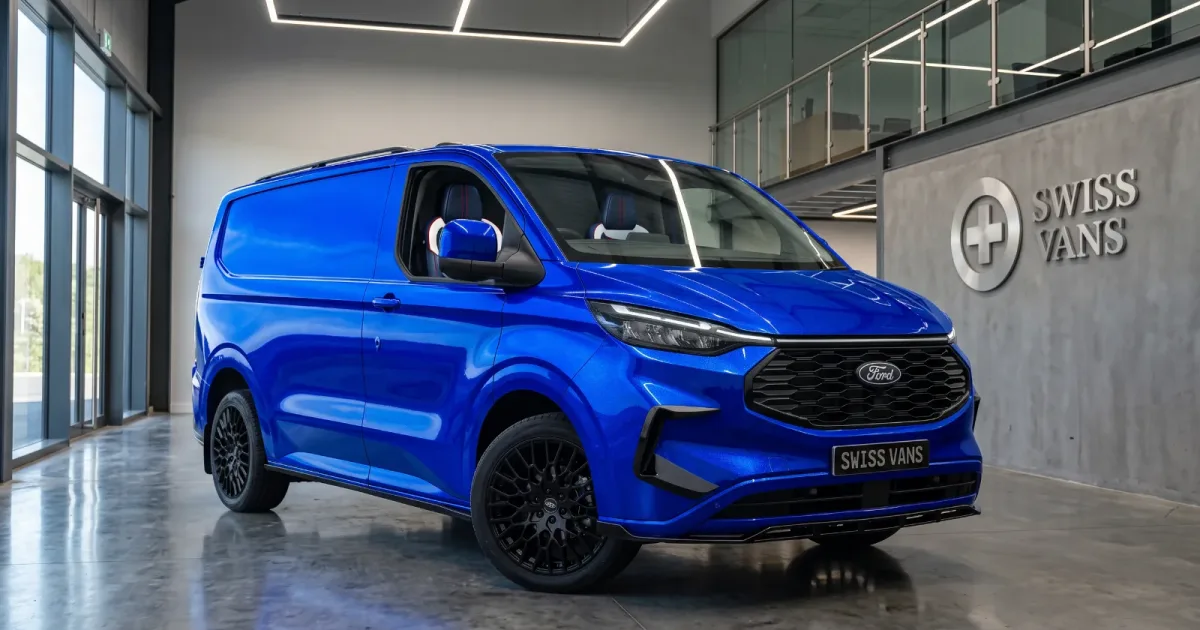
Ford Transit Custom Van Leasing Guide
Leasing a Ford Transit Custom provides a versatile, modern solution for your business transportation needs by offering a flexible way to access the latest vehicle technology without the burden of long-term ownership. Understanding your specific operational requirements, such as payload capacity, engine efficiency, and contract flexibility, is essential when following this Ford Transit Custom van leasing guide to ensure you select the perfect configuration for your daily workload.
Who the Ford Transit Custom suits
The Ford Transit Custom is designed for a broad spectrum of commercial users, ranging from sole traders and delivery drivers to large fleet managers who require a dependable medium-sized van. Its refined driving dynamics make it particularly well-suited for businesses that spend significant time on the road, as the cabin interior is designed to act as a mobile office. The inclusion of advanced connectivity features means that drivers can stay productive while away from their base, effectively bridging the gap between a traditional commercial tool and a modern, high-tech vehicle. Whether you are in the construction sector requiring a robust load area or a service-based business needing a professional image, the Transit Custom offers a level of comfort that remains largely unmatched in the medium panel van segment.
Versatility for different trade sectors
The adaptability of the platform allows it to serve various industries efficiently. For those in the logistics sector, the ease of loading and unloading is a primary benefit, while tradespeople often find the secure bulkhead and internal storage options ideal for keeping valuable tools and equipment protected. Furthermore, the modern aesthetic of the Transit Custom ensures that it represents your brand positively when arriving at client properties. Because it handles similarly to a passenger car, it is an excellent choice for businesses that may have staff with varying levels of driving experience, as the controls are intuitive and the visibility is exceptional. The vehicle’s ability to transition between urban environments and motorway travel makes it a true all-rounder for any business seeking a consistent, reliable partner.
Sizes, body types and payload
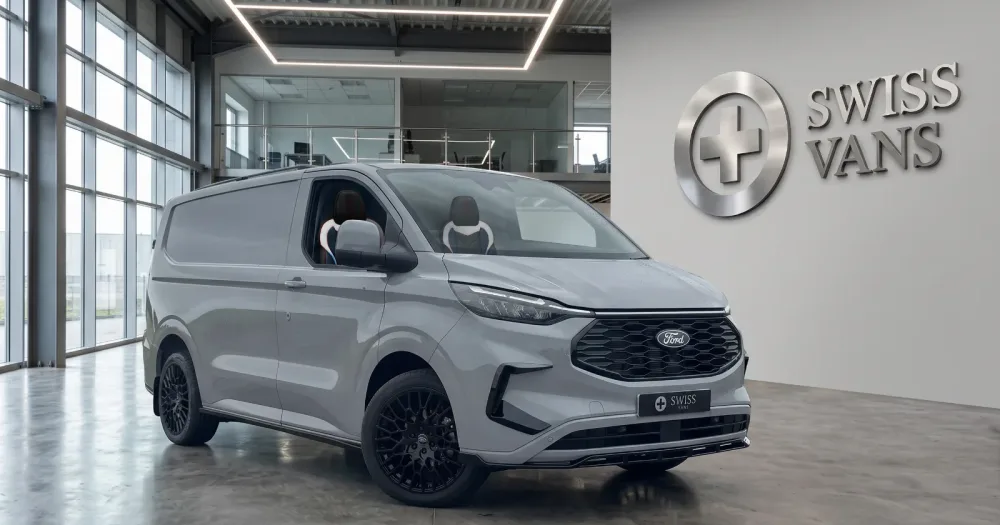
Selecting the right size is fundamental when exploring your options, as the Ford Transit Custom comes in two main length configurations: L1, which is the shorter wheelbase, and L2, the longer wheelbase variant. Your choice here will dictate not just how many goods you can carry, but also how the vehicle handles tight parking spaces or narrow city streets. Beyond length, you have a selection of roof heights that increase the vertical load space, providing added flexibility for taller equipment. It is vital to check the exact technical specifications of the specific derivative you are considering, as payload capacities will fluctuate based on the engine choice and the trim level selected. Always consider the weight of any racking or internal shelving, as these additions reduce the available payload for your actual cargo.
Load management and accessibility
The load-through bulkhead feature is a standout component for many owners, allowing items of significant length to extend underneath the passenger seat area. This increases the usable load length significantly without requiring the footprint of a larger van. Side loading doors and rear door configurations are also customisable, with many users opting for high-opening rear doors to improve access for forklift loading. When planning your lease, ensure that the internal width between the wheel arches accommodates the pallets or bulk items your business handles most frequently. Paying close attention to the gross vehicle weight and the individual axle limits will help you avoid the frustration of overloading, which is a common error when businesses underestimate the true weight of their equipment and onboard inventory.
Engines, fuel types and electric options
The powertrain lineup for the Ford Transit Custom is extensive, offering businesses the chance to align their vehicle choice with their specific environmental goals and daily operational range. Traditional diesel engines remain a staple for those covering high annual mileages on motorways, providing the torque required for hauling heavy loads over long distances. However, the introduction of plug-in hybrid models offers a compelling middle ground for urban operators who may have access to charging facilities but still require the range assurance of an internal combustion engine for longer trips. The fully electric E-Transit Custom is the latest addition to the range, delivering a zero-emission driving experience that is increasingly relevant for businesses operating in low-emission zones or those with clear sustainability targets.
Aligning your powertrain with your routes
When choosing your powertrain, consider the typical terrain you face. If your work involves frequent stop-start traffic in a city, the electric or hybrid options provide a smoother driving experience and can offer significant benefits in urban congestion scenarios. Conversely, for rural routes or heavy-duty towing requirements, the high-torque diesel configurations often remain the most effective solution. Charging infrastructure should be a primary concern if you opt for electric or plug-in hybrid models. Think about where the vehicle will be kept overnight and whether you have the capability to install a fast-charging point at your premises or home, as relying solely on public infrastructure can introduce complexity to your daily schedule. By matching the powertrain to your specific journey patterns, you ensure that your business remains efficient and avoids downtime caused by refueling or recharging issues.
Trim levels and what the options add
Trim levels within the Transit Custom range dictate the level of comfort, safety technology, and aesthetic appeal the van offers. Entry-level models are typically focused on pure utility, providing durable materials and the essential features required to get the job done, while higher trim levels introduce premium features such as advanced touchscreen infotainment systems, climate control, and enhanced driver assistance aids. Choosing the right trim is not merely a luxury decision; many of the higher-level safety features, such as advanced parking sensors, cameras, and collision mitigation systems, can actively help reduce the frequency of minor accidents and scuffs, which is particularly beneficial for businesses with multiple drivers.
Enhancing functionality with optional packages
Beyond the standard trim, Ford offers various option packs that allow you to tailor the vehicle to specific needs. These might include upgraded lighting systems for night work, heated seats for colder climates, or advanced security locks for added protection against theft. When you are looking at the leasing deal, it is important to identify which of these features are included in the specific stock vehicle or factory order. While adding too many options can increase the monthly rental, some choices, such as parking assistance or high-visibility packs, can provide genuine long-term value by improving driver safety and reducing the likelihood of repair costs caused by low-speed impacts. Review the feature list for each trim level carefully to ensure the van you lease meets both the professional demands of your team and the regulatory requirements of your industry.

Monthly rental, initial rental and mileage
The structure of a van lease is built around three main components: the initial rental, the monthly rental payments, and the agreed annual mileage. The initial rental is a payment made at the start of the contract, and generally, a higher initial rental will reduce the subsequent monthly payments, allowing you to manage your cash flow based on your business's current financial situation. It is crucial to view these figures in combination rather than isolation, as a very low initial rental will inevitably result in higher monthly costs over the term of the agreement. Leasing allows businesses to forecast their transport costs accurately over the duration of the contract, which is a major advantage for budget planning compared to the unpredictable nature of vehicle ownership and eventual resale.
Structuring your payments effectively
For many businesses, the goal is to balance the initial outlay with the ongoing monthly commitment. If your business has seasonal fluctuations in revenue, you might prefer a structure that aligns with your peak income periods. Remember that the leasing company will assess the total cost of the lease against the depreciation of the vehicle over the term. Always discuss your requirements with your broker to find a structure that supports your business model. It is also worth noting that VAT rules for commercial vehicles can be complex, so checking with a qualified accountant regarding the recoverability of VAT on your rental payments is a highly recommended step. By taking the time to understand how your initial deposit influences your monthly obligations, you can establish a predictable and sustainable expense profile that keeps your business running smoothly without unexpected financial surprises.

Choosing a contract length and annual mileage
Your contract length and total mileage allowance are two of the most significant factors in determining your lease agreement, and they must reflect your actual usage patterns rather than an optimistic estimate. Contracts typically range from two to five years, and shorter contracts mean you can upgrade to a newer, more efficient vehicle more frequently, keeping your fleet modern and potentially reducing maintenance costs. However, longer contracts can sometimes offer lower monthly rentals. The annual mileage allowance is just as critical; setting this correctly prevents the inconvenience of excess mileage charges at the end of the term. If you underestimate your mileage, you will pay a set amount for every mile you travel over your allowance, whereas overestimating might lead to paying for usage you do not actually use.
Calculating your expected usage
To choose the right figures, look back at your historic driving data. How many miles do you average annually? Have you had any major projects recently that spiked your mileage, or is your work generally consistent? If your business is expanding, it is safer to build in a reasonable buffer rather than aiming for the absolute minimum. You should also consider the duration you intend to keep the van; if you think your business needs will change significantly in the next two years, a shorter contract provides the agility to adapt. Discussing these parameters with your leasing team ensures that the contract is tailored to your business, preventing both the financial sting of excess mileage and the inefficiency of paying for a high-mileage allowance that goes to waste. Careful planning at the outset is the most effective way to avoid additional costs during or at the end of the agreement.
What is included and what you still pay for
Understanding the distinction between what is covered by your lease agreement and what you are responsible for is vital for the smooth operation of your business fleet. Most lease agreements cover the base usage of the vehicle, but they rarely include everything in the monthly rental. Generally, you are responsible for insurance, fuel, and daily checks. Maintenance packages can often be added to the agreement, which covers the cost of servicing, tyres, and general wear and tear, simplifying your accounting by rolling these expenses into a single, predictable monthly payment. However, it is essential to clarify exactly what your chosen maintenance package includes, as it may not cover damage caused by misuse or items outside of standard wear, such as windscreen glass repair or replacement.
Managing your responsibilities
The responsibility for keeping the vehicle in roadworthy condition remains with the operator. This means you must ensure that all scheduled maintenance is performed at an authorised centre in accordance with the manufacturer's intervals. Failing to keep up with the service schedule can lead to penalties or even void warranties. Additionally, you are expected to look after the vehicle interior and exterior to a professional standard. This includes fixing any damage that occurs during your tenure, as the vehicle will be inspected against fair wear and tear guidelines upon return. By maintaining the van properly, you not only ensure driver safety and reliability but also protect your business from potential end-of-contract charges. Always keep detailed records of all maintenance, as these will be necessary when the time comes to return the vehicle to the leasing provider.
Running costs to plan for
While the lease provides a structured way to pay for the vehicle itself, you must also factor in the day-to-day running costs that remain outside of the contract. Fuel is typically the most significant variable expense, and your choice of powertrain—diesel, hybrid, or electric—will dictate how this cost manifests. For diesel models, you must account for AdBlue top-ups, which are a necessary part of the emission control system. You should also consider insurance premiums, which can be influenced by the value of the van, its safety features, and the nature of your business activities. It is wise to secure a commercial-specific insurance policy that covers goods in transit or business equipment if necessary, as standard personal policies are unlikely to provide sufficient cover for your professional needs.
Unexpected costs and contingency
Even with a well-maintained fleet, you should always keep a contingency fund for non-covered events. This includes accidental damage to the bodywork, lost keys, or any wear items that may fall outside of your maintenance agreement if you have opted for one. Furthermore, if you operate in urban areas, keep track of potential congestion charges, low-emission zone fees, or parking costs, as these can accumulate rapidly. For electric models, think about the cost of installing and powering a wall box, as well as the potential variability in public charging rates. By creating a comprehensive budget that includes these often-overlooked variables, you can maintain a clear view of your total cost of ownership. This proactive approach to financial planning ensures that the van remains an asset to your company, contributing to productivity rather than becoming an unexpected drain on your resources.
Handing the Ford Transit Custom back at the end of the lease
Returning the Ford Transit Custom at the end of your contract should be a straightforward process if you have cared for the vehicle throughout the agreement. In the months leading up to the end of the term, you should conduct a thorough inspection of the vehicle, noting any cosmetic damage such as dents, scratches, or interior tears. Familiarise yourself with the fair wear and tear guidelines provided by your leasing company; these define what is considered acceptable aging for a vehicle of a certain age and mileage. It is often beneficial to have a professional valet service clean the van inside and out before the final inspection, as a clean vehicle is easier to assess and shows that you have respected the asset during your time with it.
Ensuring a smooth return
If you have identified any damage that falls outside the standard guidelines, it is usually more cost-effective to have these repaired by a reputable local garage before the inspection, rather than waiting for the leasing company to charge you for the work. Ensure that you have all the original documentation, service history records, and spare keys ready for the handover. You will also need to remove any aftermarket branding or vehicle wraps that were applied, as the vehicle must be returned in its original, unbranded state. By being proactive and transparent about the condition of the van, you ensure that the return process is professional and efficient. Once the inspection is completed and the keys are signed over, your obligation for that vehicle concludes, leaving you free to start the process of selecting your next, potentially even more efficient, commercial vehicle.
FAQs
What should I look for when checking the payload of a Ford Transit Custom? You should check the gross vehicle weight and the individual axle weights specified in the vehicle's documentation. Remember to subtract the weight of any racking, tools, and the driver from the manufacturer's maximum payload figure to determine the true weight you can legally carry.
Is maintenance included in a standard Ford Transit Custom lease? Maintenance is not always included as standard. You can typically choose between a 'non-maintained' contract, where you manage servicing yourself, or a 'maintained' contract, which bundles the costs of servicing, tyres, and routine maintenance into your monthly rental for added convenience.
Can I use the Ford Transit Custom for private and business use? Yes, many businesses allow for dual-use, but it is essential to ensure your insurance policy covers both social, domestic, and pleasure use alongside your business activities. Always confirm the specific terms of your lease agreement and insurance policy before using the van for private travel.
What happens if I exceed my agreed annual mileage? If you exceed your agreed annual mileage, you will be required to pay an excess mileage charge, which is calculated on a pence-per-mile basis as set out in your lease contract. It is important to monitor your mileage throughout the term and discuss any major changes in your usage patterns with the leasing company early.
contracthire.tv is a trading name of Swiss Vans Ltd, authorised and regulated by the Financial Conduct Authority (FRN 668283) as a credit broker, not a lender.