Ford Transit Van Leasing Guide

Ford Transit Van Leasing Guide
Leasing a Ford Transit requires evaluating your specific business operational needs, focusing on load capacity, drivetrain requirements, and long-term contract flexibility. Choosing this path provides access to a versatile workhorse, but success depends on selecting the correct configuration for your daily tasks. Use this Ford Transit van leasing guide to understand the essential components before committing to a long-term agreement.
Who the Ford Transit suits
The Ford Transit is the definitive choice for businesses requiring significant cargo volume and reliable daily performance. It is suited to logistics companies, large-scale construction firms, and multi-drop delivery services that need a robust, high-roof vehicle capable of handling heavy workloads over extended periods. Because it serves as a mobile office for many drivers, the cabin ergonomics and technology features are designed to reduce fatigue and improve daily connectivity.
Versatility for diverse industries
Whether you are a sole trader managing site equipment or a fleet manager overseeing a national delivery network, the Transit offers a level of adaptability that smaller vans cannot match. Its modular nature allows it to serve as a platform for specialised conversions, including refrigerated units, mobile workshops, or crew transport. By selecting the right roof height and wheelbase, operators can create a bespoke solution that fits their industry demands perfectly, ensuring that space is maximised and workflow efficiency is maintained throughout the working day.
Professionalism and brand image
Beyond its functional utility, the Ford Transit helps maintain a professional reputation. Its contemporary aesthetic and well-appointed interior reflect positively on your business when you arrive at a client’s premises. The vehicle acts as a rolling billboard, and its ubiquity in the UK market means it is instantly recognisable as a tool of a serious, capable professional. When you decide on a Ford Transit van leasing guide approach, you are investing in a vehicle that balances durability with a modern professional image that resonates with customers and partners alike.
Sizes, body types and payload
The Ford Transit is available in multiple configurations, including three load lengths and two roof heights. Choosing the correct size is paramount because the panel van can provide up to 15.1 cubic metres of load space. You must first measure the specific items you intend to carry, noting the wheel-arch width and the aperture size of the rear and side doors. It is a common mistake to assume the maximum volume applies to every variant; you must scrutinise the exact specifications for the derivative you choose to ensure your goods will fit securely.
Understanding payload limitations
Payload is perhaps the most critical factor in your selection. It is not simply the maximum weight stated in a brochure; you must calculate the total weight of your driver, passengers, tools, heavy-duty racking, and any conversion equipment. If you exceed the vehicle’s plated payload, you risk mechanical strain, safety hazards, and potential legal issues. Always confirm the payload of the specific model, as larger high-roof versions naturally have less payload capacity than their lower-roof counterparts due to the added weight of the structure. When reviewing your options, cross-reference these weights against your typical daily load to ensure you remain within safe operating limits at all times.

Engines, fuel types and electric options
The powertrain choice today is broader than ever, with diesel engines remaining the primary choice for long-distance motorway use and the E-Transit becoming an increasingly viable option for urban logistics. The diesel variants offer the familiar torque and refuelling convenience required for high-mileage users who cover diverse rural and urban routes. If your business operates primarily in cities, however, the all-electric E-Transit provides a refined, quiet driving experience that can reduce operational costs and assist with compliance in low-emission zones.
Assessing electric viability
Switching to electric requires a clear-eyed assessment of your charging infrastructure. Ask yourself if your depot has the capacity for overnight charging and whether your typical route length comfortably fits within the real-world working range of the battery. Factor in the impact of load weight, weather, and traffic on your range. While electricity costs differ significantly from diesel, the primary benefit is the reduction in maintenance complexity and the alignment with future-proofing your fleet against evolving urban access regulations. If your routes are predictable and depot-based, the electric option is often an excellent long-term financial and operational decision.
Trim levels and what the options add
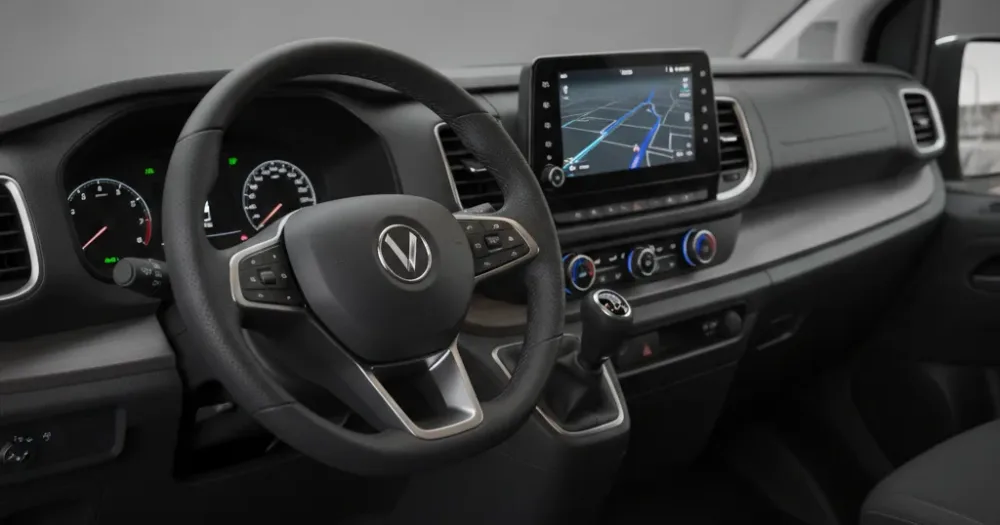
Ford offers various trim levels for the Transit, typically ranging from entry-level work-focused variants to more premium, comfort-oriented specifications. Entry-level models provide the essential features required for heavy labour, prioritising durability and ease of cleaning. As you move up through the trim hierarchy, you gain access to enhanced driver assistance technology, such as advanced parking sensors, cameras, and improved infotainment systems. These features are not just luxuries; they significantly improve driver safety and comfort during long shifts.
Strategic selection of features
When selecting your trim, think about which options will enhance productivity. Satellite navigation, Bluetooth connectivity, and ergonomic seating adjustments can make a tangible difference to a driver’s quality of life. Furthermore, safety packs that include lane-keeping aids and automated braking systems can help reduce the frequency of minor accidents, which in turn reduces downtime and potential insurance complications. Evaluate the standard equipment list of each trim carefully; sometimes, adding a specific optional pack is more cost-effective than choosing a higher trim level just for one or two desired features. Always consider the resale or residual value impact of adding specific equipment if your lease terms rely on the future value of the van.
Monthly rental, initial rental and mileage
Leasing a vehicle involves a structure of an initial rental followed by fixed monthly payments. The initial rental is essentially an advance payment that determines the scale of your subsequent monthly outgoings. A higher initial rental will naturally reduce the amount you pay each month, whereas a lower initial rental increases the monthly cost. This structure allows you to tailor your cash flow according to your current business liquidity. It is crucial to view this as a commitment to a set number of payments that you can reliably sustain within your budget.
Budgeting for the long term
Beyond the rental payments, you must factor in the total cost of ownership across the entire contract duration. Since monthly rentals are fixed for the term of the agreement, they provide excellent predictability, shielding your business from sudden changes in interest rates or depreciation. However, remember that the monthly payment only covers the cost of using the vehicle. You will still need to manage insurance, tax, and servicing costs separately unless you have specifically opted for a fully maintained lease package. By keeping your monthly outgoings aligned with your project revenue, you ensure that your fleet remains an asset rather than a liability to your bottom line.
Choosing a contract length and annual mileage
The length of your contract should reflect your business cycle and how often you prefer to update your fleet. A shorter contract allows you to move into newer models more frequently, keeping your fleet at the cutting edge of technology and fuel efficiency. Conversely, a longer contract typically spreads the depreciation cost over a wider window, which can result in lower monthly payments. Most businesses find a balance that aligns the contract end date with their internal vehicle replacement policy, ensuring that the van is returned while it is still efficient and reliable.
Setting realistic mileage
Annual mileage is the most significant variable that can catch out unprepared lessees. You must estimate your mileage as accurately as possible; underestimating can lead to excess-mileage charges at the end of the contract, while overestimating means you are paying for capacity you are not using. Keep a record of your previous twelve months of driving to establish a realistic baseline. If your operations grow or change significantly during the contract, notify the finance provider early, as adjusting your mileage allowance mid-term is generally easier and more cost-effective than dealing with a large penalty bill upon the return of the van.
What is included and what you still pay for
In a standard lease agreement, the monthly rental covers the cost of using the vehicle, but it does not cover everything associated with running it. Typically, the lease includes the initial vehicle registration and potentially the road fund licence for the duration of the term. However, you are almost always responsible for comprehensive insurance, which must be active from the moment you take delivery. You are also responsible for all fuel or electricity costs, as well as any fines or tolls incurred while the vehicle is in your possession.
Maintenance and service responsibilities
Unless your contract specifically includes a maintenance package, you are liable for all servicing, repairs, and tyres. A non-maintained contract means you must budget for these costs independently and ensure all servicing is conducted by approved workshops to maintain the manufacturer's warranty. If you choose a maintenance package, this cost is bundled into your monthly payments, providing a predictable expense that covers scheduled services and often replacement tyres. Decide based on your internal ability to manage these tasks; if you lack a dedicated fleet manager, a maintained contract often provides peace of mind by simplifying the process and ensuring the van is serviced correctly and on time.
Running costs to plan for
Efficient fleet management requires planning for costs beyond the monthly rental agreement. Maintenance, tyres, and insurance form the core of your operational budget, but you should also account for less obvious items. For instance, vehicle cleaning both inside and out is essential to maintain the vehicle's condition, which will be assessed upon return. If you use the van for heavy-duty work, the likelihood of needing replacement tyres or minor bodywork repairs increases, so setting aside a monthly contingency fund is a standard practice among successful businesses.
Contingency planning
Unexpected repairs or downtime can impact your ability to deliver services. Always have a strategy for when a vehicle is off the road. This might mean having a reserve vehicle or a relationship with a rental provider, but it is a critical component of your operating cost model. Additionally, consider the costs associated with potential modifications. If you intend to add racking or signwriting, ensure these are permitted under the terms of your contract. Removing non-standard modifications or decals before the return date is often required, and the cost of this work should be considered part of the overall cost of ownership to avoid end-of-term charges.
Handing the Ford Transit back at the end of the lease
Returning your Ford Transit is a structured process that starts long before the final day of the lease. The vehicle must be returned in a condition consistent with the "fair wear and tear" guidelines set out by the finance provider. This document defines what is acceptable for the vehicle's age and mileage and what constitutes damage. You should conduct your own inspection a few months before the contract ends, looking closely at the bodywork, the interior upholstery, and the state of the tyres to ensure they meet the minimum requirements.
Preparing for the final inspection
Professional cleaning is a worthwhile investment before the inspection, as it allows you to see the true condition of the van and ensures the inspector can evaluate it fairly. If you identify any damage that exceeds the fair wear and tear policy—such as deep scratches, dented panels, or torn seats—it is almost always more cost-effective to have these professionally repaired by an independent specialist before the return date rather than waiting for the finance provider to bill you for the repair at their pre-determined rates. Keep all service records and maintenance receipts organised, as you will need to prove that the van was cared for according to the manufacturer’s specifications. Being organised during this final stage ensures a smooth handover and helps you avoid unexpected costs, leaving you ready to arrange your next vehicle replacement without delay.

FAQs
What should I look for when checking a Ford Transit for lease? Focus on the load capacity, the engine type (diesel or electric), and the cabin technology. Ensure you measure your intended cargo to match the correct wheelbase and roof height, as these choices significantly impact the usability of the vehicle for your specific business tasks.
Is it better to choose a diesel or an electric Ford Transit? The choice depends on your operating environment. Diesel is ideal for long-distance motorway driving and rural routes where refuelling is frequent and easy. The electric E-Transit is often the better choice for urban logistics, provided you have a reliable charging solution at your depot and your daily routes fall within the van's range.
What happens if I exceed my agreed annual mileage? If you exceed your annual mileage limit, you will typically be charged an excess-mileage fee for every mile over the agreed amount. These terms are set out in your contract, so it is important to monitor your mileage throughout the year. If you notice your usage increasing, contact your provider as soon as possible to discuss a potential adjustment.
Does the lease cover the cost of servicing and repairs? Not automatically. A standard lease covers the use of the vehicle, but maintenance, servicing, and tyre replacement are usually your responsibility unless you have specifically added a maintenance package to your contract. Review your agreement to see what is included.
contracthire.tv is a trading name of Swiss Vans Ltd, authorised and regulated by the Financial Conduct Authority (FRN 668283) as a credit broker, not a lender.