Honda Car Leasing: A Complete Guide
Why lease a Honda
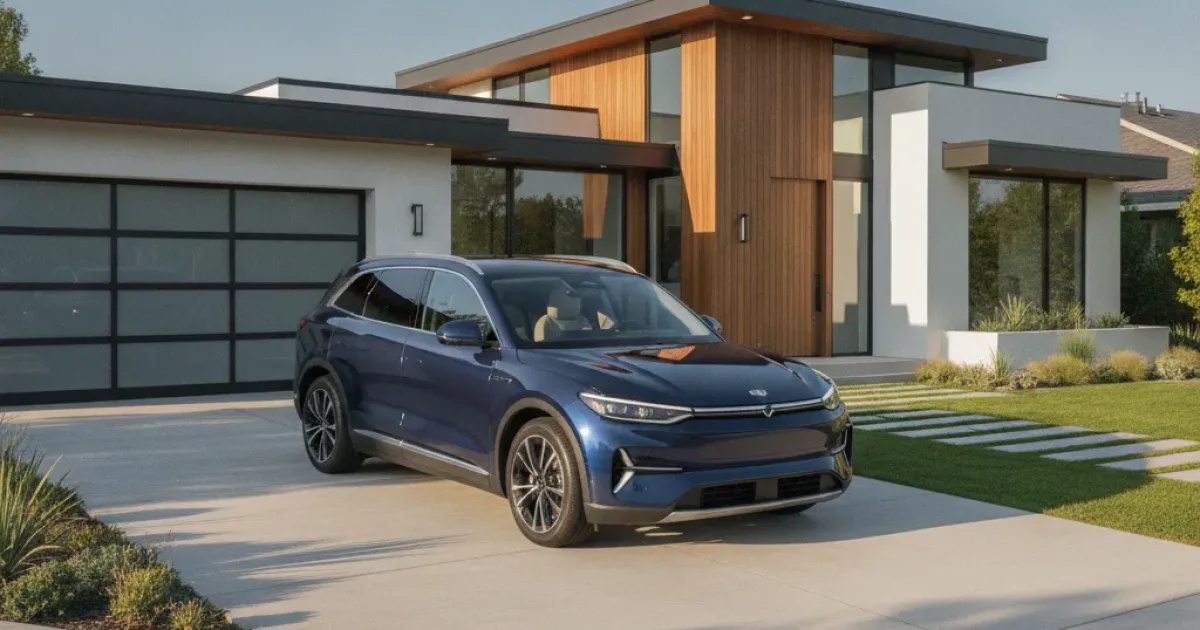
Honda car leasing offers a flexible, cost-effective way to drive a brand-new vehicle without the long-term commitment of ownership. By opting for a lease, you benefit from predictable monthly budgeting, manufacturer warranties, and the opportunity to change your car regularly as your driving requirements evolve. Choosing this route allows you to access premium technology and safety features more affordably.
The benefits of fixed-cost motoring
One of the primary reasons drivers choose Honda car leasing is the ability to enjoy a reliable, high-spec vehicle while managing cash flow effectively. When you lease, your expenditure is spread out, allowing you to avoid the sudden depreciation costs associated with buying a car outright. Because lease contracts are structured to align with the lifespan of the vehicle, you are effectively paying for the period you use the car, rather than absorbing the long-term decline in market value. This structure provides peace of mind, as you are not tied to a depreciating asset that may be difficult to sell or trade in later on. Furthermore, because you are usually driving a brand-new vehicle, you are protected by the manufacturer's standard warranty, which covers the majority of mechanical eventualities, significantly reducing your potential for unexpected maintenance bills during your time with the car.
Staying ahead with new technology
Honda is renowned for its commitment to engineering excellence and sophisticated cabin technology. By engaging in Honda car leasing, you ensure that you are always behind the wheel of a modern machine equipped with the latest safety assists, infotainment systems, and driver-focused ergonomics. As automotive safety standards and connectivity requirements evolve rapidly, leasing allows you to upgrade your vehicle every two to four years, ensuring your daily commute is supported by the most current advancements in traffic management and environmental efficiency. This cycle of renewal keeps you in a vehicle that feels fresh, modern, and perfectly suited to contemporary road conditions, reflecting both your personal style and professional requirements.
Honda cars you can lease
The Honda range is diverse, offering options that cater to small city commutes, family road trips, and professional needs. The selection spans agile hatchbacks to versatile SUVs, each designed with the trademark Honda reliability that makes Honda car leasing a popular choice for both private individuals and business users. Understanding the specific capabilities of each model helps you select the vehicle that best serves your lifestyle.
The Jazz and Civic versatility
The Honda Jazz is a masterclass in interior space, often cited for its "magic seat" system which allows for unparalleled configuration, making it a fantastic choice for those who need a compact car with major carrying capacity. Conversely, the Honda Civic remains a benchmark for the hatchback segment. Known for its engaging handling and sleek aesthetic, the Civic offers a more dynamic driving experience while maintaining high levels of refinement. When looking at Honda car leasing for these models, you are choosing vehicles that are consistently praised for their build quality, intuitive controls, and high residual reliability, which is a hallmark of the brand's identity globally.
SUV options for the modern family
For those requiring extra space, the Honda HR-V and CR-V provide a robust solution. The HR-V sits comfortably as a compact crossover, ideal for navigating tight urban environments while providing a raised seating position that many drivers prefer. The CR-V offers more substantial dimensions, making it a premium choice for families who need plenty of boot space and passenger comfort. These models are designed to be family-centric, focusing on occupant safety and sophisticated suspension setups that absorb road imperfections, ensuring that long-distance travel remains comfortable. Leasing these vehicles allows access to high-end SUV functionality without the massive upfront capital investment often required to purchase vehicles in this category, keeping your finances fluid and manageable.
Petrol, diesel, hybrid and electric options
Honda’s engine philosophy has transitioned toward electrification, making the brand a leader in efficient mobility. Whether you are focused on urban efficiency or long-distance cruising, Honda car leasing provides access to diverse powertrain configurations tailored to modern environmental needs and personal driving habits. Choosing the right engine type is crucial for maximising the value you receive throughout the term of your lease.
The evolution of Honda hybrid technology
Honda has heavily invested in e:HEV hybrid technology, which is now prevalent across their model range. These systems are clever in that they allow the electric motor to do the heavy lifting in urban conditions, switching seamlessly to the petrol engine when higher speeds or additional power is needed. This provides a bridge for those not quite ready for a full electric experience but who want to reduce their fuel consumption and CO2 output. When you look at Honda car leasing, you will find that these hybrid models often balance performance and economy in a way that traditional combustion engines struggle to match, offering a smooth, near-silent driving experience during start-stop traffic.
Moving toward a cleaner future
As the automotive sector shifts, Honda’s full battery-electric offerings are becoming increasingly significant. For those whose driving is predominantly local, electric models offer lower running costs and a minimal environmental footprint. Leasing an electric Honda can be an excellent introduction to battery-powered motoring, allowing you to test how an EV fits into your daily routine before committing to long-term ownership. The transition to electric power also brings unique benefits, such as instant torque and very low servicing requirements, as there are fewer moving parts to maintain compared to internal combustion engines. By leasing these models, you can keep up with the latest battery range developments every time your contract term ends, ensuring you always have a car that meets your range requirements without becoming outdated as charging infrastructure continues to expand.
Trim levels and what the options add
Selecting a trim level is a key step in the Honda car leasing process, as it defines your daily experience inside the vehicle. Honda organises its trims logically, typically offering a progression from entry-level essentials to fully-loaded luxury specifications. Determining which features are "must-haves" versus "nice-to-haves" will help you balance your monthly rental requirements against the comfort and technology levels you desire.
The base and mid-tier specification
Entry-level trims often provide all the core functionality required for a safe and comfortable journey. These models usually include essential safety suites, such as automated braking, lane-keeping assistance, and cruise control. They represent the most cost-effective entry point into Honda car leasing. Moving up a level, you typically find the inclusion of aesthetic upgrades—such as larger alloy wheels and enhanced interior materials—alongside convenience features like parking sensors, rear-view cameras, and improved infotainment screens. These mid-range trims are often considered the "sweet spot" for many drivers, as they add significant value and daily comfort without escalating the monthly rental cost to the highest tier.
Flagship trims and luxury additions
At the top of the range, flagship trims transform the Honda experience into a premium one. Features found at this level often include leather upholstery, premium sound systems, panoramic sunroofs, and advanced driver-assist systems that offer higher levels of autonomy, such as traffic jam pilot functions. If you spend significant time in your car, opting for these higher trim levels can vastly improve your well-being behind the wheel. When you lease, you are only paying for the depreciation of these premium features during the term, which can make choosing a higher specification more affordable than it might appear at first glance. Assessing your specific needs—such as whether you prioritize satellite navigation, heated steering wheels, or advanced ambient lighting—allows you to narrow down the trim that will give you the most enjoyment throughout your lease agreement.

Monthly rental, initial rental and mileage
Structuring your lease agreement correctly is essential for maintaining control over your financial commitment. When you approach Honda car leasing, the contract is essentially broken down into three primary variables: the initial rental, the monthly rental amount, and the total mileage allowance. Adjusting these elements allows you to tailor the lease to suit your specific cash flow preferences and driving patterns, ensuring that the agreement remains sustainable throughout its duration.
Understanding initial rental vs. monthly rental
The initial rental is an upfront payment made at the start of your contract. Generally, a higher initial rental will reduce your subsequent monthly rental payments. It is worth noting that this initial sum is not a deposit that you get back at the end of the term; it is part of the total cost of the lease spread differently. You can choose to pay a lower initial rental, which preserves your capital, but this will result in higher monthly payments for the duration of the contract. This choice is entirely dependent on your preference for managing your current savings versus your ongoing monthly budget. Finding the balance that aligns with your financial strategy is the best approach to ensure that you are comfortable with the arrangement from the first month to the last.
The impact of mileage on your contract
Your annual mileage limit is a critical component of your lease agreement, and it must be set accurately. During the setup of your Honda car leasing plan, you will select an annual mileage limit based on your expected travel. If you overestimate your needs, you are paying for capacity you will not use. However, if you underestimate, you will incur excess mileage charges at the end of the contract. It is always best to be realistic about your commute, including weekend travel and potential annual holidays. If you find your circumstances change mid-contract, it is advisable to contact your provider as soon as possible, as some agreements allow for adjustments. Being proactive about your mileage keeps the agreement simple and avoids unwanted surprises at the point of vehicle return.
Choosing a contract length and annual mileage
Selecting the right contract duration is a balance between your desire for a new car and your budget. Most Honda car leasing contracts run for a term between two and four years. A shorter term means you get to change your car more frequently, while a longer term typically results in lower monthly rentals, as the depreciation of the vehicle is spread over a greater number of months.
Matching duration to your life cycle
If you prefer to have the latest model as soon as it is updated, a two-year contract is ideal. This keeps you at the forefront of automotive technology and ensures your vehicle remains well within its manufacturer warranty period for the entire duration of the lease. Conversely, if you want to minimise your monthly expenditure, a three or four-year contract is often the more pragmatic choice. You will need to consider whether you want your lease to extend beyond the standard manufacturer warranty. If so, it is wise to check if you need to factor in additional maintenance coverage. Most drivers choose a term that aligns with their personal or professional cycle, ensuring that the car they drive matches their current lifestyle and changing needs.
Estimating your total travel needs
When determining your annual mileage, take a moment to look at your service records from previous years to see exactly how far you drive. Do not just focus on your daily commute to work, but also account for personal errands, visits to friends and family, and the occasional road trip. Many lease providers offer increments, such as 8,000, 10,000, or 12,000 miles per year. Choosing the increment that most closely matches your actual usage prevents unnecessary expenditure. Remember that leasing is designed to be efficient; therefore, selecting a mileage tier that is slightly higher than your estimate can provide a safety buffer, offering you peace of mind that you won't exceed your allowance and face additional charges when the contract concludes.

What is included and what you still pay for
Transparency is key to a successful leasing experience. When engaging in Honda car leasing, it is important to understand exactly what your monthly payments cover and what liabilities remain yours during the term. Knowing where your responsibilities lie prevents confusion and helps you plan your ongoing motoring budget with clarity and confidence.
Included features in the lease
Your monthly payment covers the use of the vehicle for the duration of the contract. Additionally, the manufacturer’s warranty is standard on new cars, meaning that any manufacturing defects or mechanical failures covered by that warranty are the responsibility of the brand. Road Fund Licence (vehicle excise duty) is also typically included for the full duration of the contract, meaning you do not have to worry about renewal or tax changes during your term. This predictability is one of the main advantages of leasing, as it removes several of the common, variable costs of vehicle ownership from your ledger.
Your ongoing responsibilities
While the lease payment takes care of the car itself, you are still responsible for several essential running costs. These include comprehensive motor insurance, which is a mandatory requirement for all lease vehicles. You are also responsible for the day-to-day costs, such as fuel or electricity to charge the battery, as well as screen wash and other fluid top-ups. Furthermore, unless you have opted to include a maintenance package, you are responsible for the cost of servicing the car in accordance with the manufacturer's schedule, as well as replacing items subject to wear and tear, such as tyres, brake pads, and wiper blades. Keeping a regular eye on these components and adhering to the servicing schedule ensures the vehicle remains in optimal condition, which is a requirement for the return of the car at the end of the contract.
Running costs to plan for
Effective budgeting for your Honda car leasing plan involves accounting for more than just the monthly rental. By proactively planning for the secondary costs of driving, you ensure that your vehicle remains a source of convenience rather than a strain on your monthly budget. These costs are consistent with any vehicle, but tracking them carefully is a hallmark of the savvy lessee.
Fuel and electricity management
Fuel costs remain the most variable expense for any driver. If you have selected a hybrid or electric Honda, your usage patterns will significantly impact your monthly energy spend. For electric models, installing a home charging point can dramatically reduce your costs compared to relying on public rapid chargers. It is worth investigating energy tariffs that offer lower rates during off-peak hours, as this can make your electric Honda significantly cheaper to run on a daily basis. For petrol and hybrid drivers, efficient driving habits—such as avoiding sudden acceleration and keeping tyres at the correct pressure—can extend your range and lower your overall expenditure on fuel, keeping your total cost of ownership as low as possible.
Servicing and maintenance budgeting
Even the most reliable car requires periodic maintenance. Honda has an excellent reputation for durability, but you must still follow their recommended service intervals to maintain the integrity of the vehicle. If you do not have an optional maintenance package included in your lease, you should set aside a modest amount each month into a dedicated fund for these costs. This "rainy day" approach ensures that when the time comes for a scheduled service, an MOT, or a set of replacement tyres, you are not faced with a sudden, unbudgeted bill. Maintaining the vehicle properly is not just about performance; it is also a condition of your contract, as the vehicle must be returned in a roadworthy condition that meets the standards set out by the leasing company, typically guided by the BVRLA guidelines.
Handing the Honda back at the end of the lease
The conclusion of your Honda car leasing contract is a straightforward process, provided you have maintained the vehicle as required. As your agreement draws to a close, you will be contacted by the leasing provider to arrange an inspection and collection of the vehicle. Knowing what to expect during this stage helps ensure the process is smooth and stress-free.
The inspection process
Before the car is collected, an inspector will conduct a review of the vehicle's condition. This is usually based on fair wear and tear standards. These standards acknowledge that a car will show signs of usage after a few years, such as very minor stone chips or light interior upholstery wear. However, significant damage—such as deep scratches, dented bodywork, cracked glass, or worn-out tyres—will be noted and may incur charges. It is recommended that you wash and clean the car thoroughly before the inspection, as this allows for an accurate assessment and demonstrates that you have looked after the vehicle well. If you have any minor damage that concerns you, it is often better to have it professionally repaired before the inspection, as this can sometimes be more cost-effective than the charges levied by the leasing company.
Moving to your next vehicle
For many, the end of a lease is simply the start of a new one. Once your current contract concludes, you are free to hand the car back and start a new agreement on a brand-new model. This is the perfect time to reassess your driving needs. Perhaps you need a larger vehicle for a growing family, or perhaps you want to make the switch to a fully electric model. Honda’s constant innovation means there is almost always a newer, more efficient version of the car you just drove. By beginning the process a few months before your current lease expires, you can ensure a seamless handover, moving from one vehicle to the next without a gap in your mobility, keeping you on the road in a modern, reliable Honda.
FAQs
What should I know before starting a Honda car leasing agreement? You should understand that leasing is a long-term rental, not ownership. You must consider your annual mileage accurately, ensure you have comprehensive insurance, and maintain the vehicle according to the manufacturer's service schedule. It is also important to budget for wear and tear items like tyres and to understand that the car must be returned in good condition.
Can I end my lease early if my circumstances change? Ending a lease early is generally known as 'early termination'. While it is often possible, it typically incurs a termination fee as outlined in your contract. It is best to contact your leasing provider immediately if your situation changes so they can explain the specific process and any costs involved for your particular agreement.
Do I need to pay for servicing on a leased Honda? Yes, unless you have specifically included a maintenance package in your lease agreement. You are responsible for following the manufacturer’s recommended service schedule and ensuring the car remains in a roadworthy condition. If you want to avoid surprise costs, a maintenance package can be added to your monthly rental to cover these expenses.
What happens if I exceed my agreed annual mileage? If you exceed your agreed annual mileage, you will be charged an 'excess mileage' fee, which is calculated on a pence-per-mile basis as set out in your contract. It is crucial to monitor your odometer throughout the lease to ensure you stay within your limit. If you realise you are driving more than expected, contact your provider to discuss potential options.
contracthire.tv is a trading name of Swiss Vans Ltd, authorised and regulated by the Financial Conduct Authority (FRN 668283) as a credit broker, not a lender.