Hyundai Car Leasing: A Complete Guide
Why lease a Hyundai
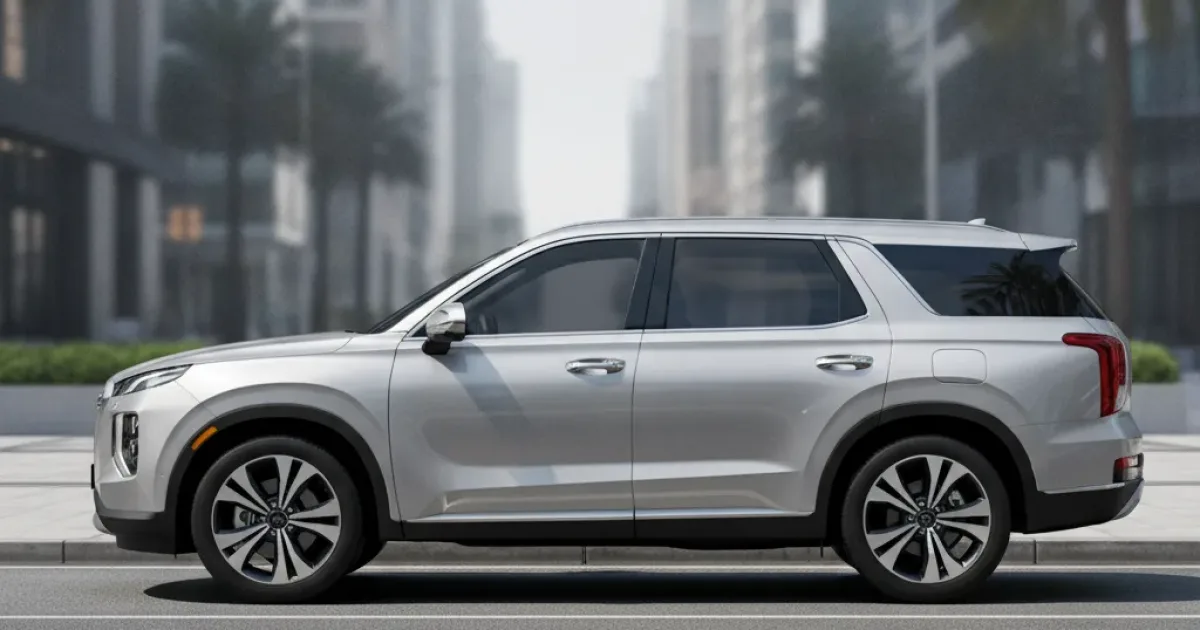
Leasing a Hyundai offers you the opportunity to drive a modern, technologically advanced vehicle while benefiting from the flexibility and convenience of Hyundai car leasing. By choosing this route, you avoid the long-term commitment of ownership while enjoying lower monthly costs and the ability to update your vehicle regularly. Whether for personal or business use, this path provides a reliable, efficient driving experience backed by a strong manufacturer reputation for build quality and comprehensive safety features across their entire range.
The benefits of flexibility
One of the primary reasons drivers choose to lease a Hyundai is the unparalleled flexibility it offers. Instead of being tied to a vehicle for many years or worrying about the fluctuating trade-in value, you are entering into a structured agreement that aligns with your specific lifestyle needs. This means you can budget more effectively, knowing your expenditure for the duration of the contract. Furthermore, Hyundai has made significant strides in vehicle design and reliability, ensuring that every model you choose comes equipped with the latest convenience features, comfortable interiors, and refined driving dynamics. By leasing, you essentially pay for the usage of the vehicle rather than the entire asset, which allows you to consider higher-spec models that might otherwise fall outside your reach if you were looking to purchase outright.
Manufacturer peace of mind
Hyundai is renowned for its generous warranty packages, which often extend well beyond the industry standard. When you opt for a lease agreement, you benefit from these manufacturer assurances, as the vehicle remains within its warranty period for the majority of the lease term. This provides a significant layer of security, knowing that major mechanical or electrical repairs are typically covered. When you combine this reliability with the cost-effective nature of lease agreements, you find a solution that offers both financial predictability and peace of mind on the road.
Hyundai cars you can lease
The range of vehicles available through Hyundai car leasing spans from compact city cars perfect for urban environments to spacious SUVs and executive saloons designed for motorway comfort. Hyundai has curated a diverse selection that caters to a wide variety of requirements, meaning there is almost certainly a model that fits your specific needs. From the iconic i10 and i20, which excel in agility and parking ease, to the award-winning Tucson and Santa Fe, which offer vast amounts of interior space and utility, the choice is vast. You can explore the full range of current available models by visiting our dedicated section for Hyundai car leasing, where you can filter by body type and performance specifications to narrow down your preferences.
City cars and hatchbacks
If you primarily navigate city streets, Hyundai hatchbacks are engineered to provide maximum efficiency without compromising on modern style. These vehicles are designed to be nimble, easy to maneuver in tight spaces, and incredibly efficient in start-stop traffic conditions. Despite their compact external dimensions, the internal packaging of these models is remarkably clever, ensuring that you and your passengers have sufficient legroom and cargo space for daily requirements, such as shopping or commuting.
SUVs and crossovers
For those requiring extra versatility, the Hyundai SUV lineup is exceptionally strong. These models provide a higher seating position for better visibility, increased ground clearance for rougher terrain, and significant boot capacity for family activities. Choosing a SUV lease allows you to step into a more capable vehicle that can handle anything from school runs to weekend escapes. Many of these models now feature advanced driver-assistance systems as standard, further enhancing the safety profile for families or frequent drivers who want to feel more secure on longer journeys.
Petrol, diesel, hybrid and electric options
When you consider Hyundai car leasing, you have access to a wide spectrum of powertrains that reflect the changing landscape of modern motoring. Hyundai has invested heavily in alternative fuel technology, offering a robust selection of hybrid and fully electric vehicles alongside efficient petrol options. Selecting the right fuel type is crucial for ensuring that your vehicle matches your driving habits and typical mileage requirements. Petrol engines continue to offer great value for shorter journeys and local driving, while their hybrid and plug-in hybrid variants bridge the gap, providing excellent fuel economy for those who do a mix of urban and motorway driving. For those ready to make the transition to fully electric motoring, the Ioniq series has become a benchmark in the industry, offering impressive range and rapid charging capabilities that make the shift from internal combustion engines entirely seamless.
The evolution of hybrid technology
Hyundai’s hybrid offerings are particularly impressive for those not quite ready to commit to a full electric vehicle. The self-charging hybrid systems automatically manage the transition between the petrol engine and electric motor, optimising fuel consumption without any input from the driver. This is perfect for those who want to reduce their carbon footprint and save on fuel costs during urban congestion. For those with access to charging at home or work, the plug-in hybrid models offer the advantage of extended electric-only range, which can significantly lower your daily running costs if you have a shorter commute.
Embracing pure electric power
The electric vehicle landscape at Hyundai is defined by innovation. With dedicated EV platforms, these vehicles are built from the ground up to be electric, which allows for better battery placement, more interior space, and a more balanced driving experience. When leasing an electric Hyundai, you aren't just choosing a car; you are adopting a new way of travel. Many of our customers opt for these models to benefit from lower business tax rates, reduced congestion charges in major cities, and the sheer satisfaction of near-silent, instant-torque performance that electric motors provide.
Trim levels and what the options add
One of the most appealing aspects of Hyundai car leasing is the ability to choose your preferred trim level to ensure your vehicle comes equipped with the exact technology and creature comforts you desire. Hyundai typically structures its trim levels logically, starting from an entry-level specification that covers all the basics and ascending to high-end trims that include premium audio systems, leather upholstery, panoramic sunroofs, and advanced safety suites. Understanding what each trim adds is vital for tailoring your lease to your budget. Entry-level trims are fantastic for those focused on affordability, while mid-to-high trims often provide the best value in terms of the equipment-to-cost ratio, bundling the most popular features like smartphone integration, reversing cameras, and climate control into a single package.
Understanding technology packs
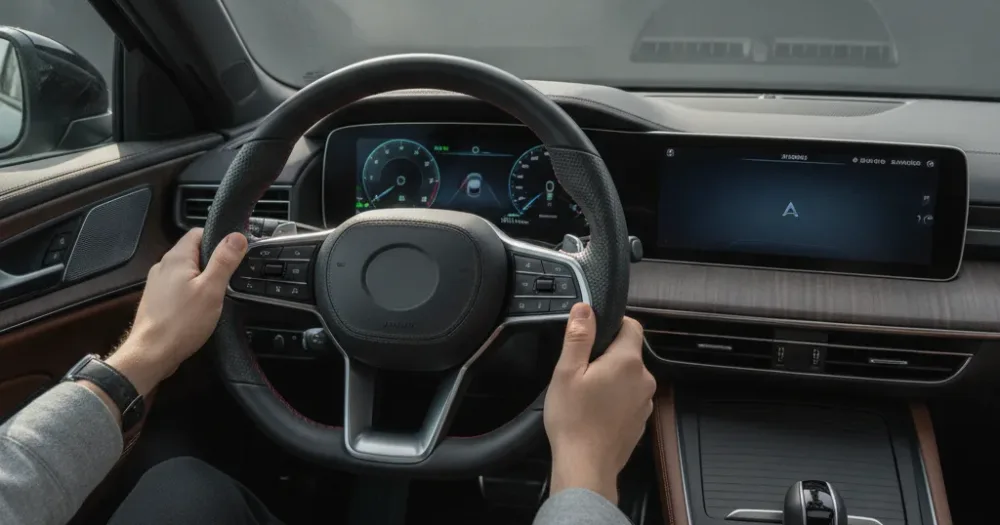
Beyond the standard trim levels, many Hyundai models allow for optional technology or safety packs. These might include enhanced infotainment displays, head-up displays, or advanced lane-following assistance. When selecting your lease, we encourage you to look at the specific equipment list for your chosen trim. If you value connectivity, prioritising a trim with wireless Apple CarPlay or Android Auto is highly recommended, as it transforms your daily driving experience by bringing your digital life into the cockpit safely. Furthermore, luxury-focused additions like heated seats or a heated steering wheel are often found on higher trims, providing significant comfort throughout the colder months.
Safety and driver assistance
Hyundai is widely recognised for making advanced safety features accessible across its trim range. Many features that are considered premium in other manufacturers are often included as standard or as part of an affordable pack in a Hyundai. This includes autonomous emergency braking, driver attention alerts, and adaptive cruise control. When comparing trims, it is worth paying attention to these active safety systems, as they not only protect you and your passengers but can also contribute to a more relaxed driving experience on busy motorways, effectively reducing driver fatigue over long distances.
Monthly rental, initial rental and mileage
When finalising your agreement for Hyundai car leasing, you must understand the three variables that dictate your monthly outgoing: the initial rental, the length of the contract, and your estimated annual mileage. The initial rental is an upfront payment made at the start of the lease. Generally, paying a larger initial rental reduces the monthly rental amount, while a smaller initial rental increases the monthly cost. It is a balancing act that depends entirely on your cash flow preference. We recommend reviewing our current stock and lease deals to see how different initial rental amounts affect the monthly figures, allowing you to tailor the payment structure to what feels most comfortable for your personal or business financial plan.
Balancing the initial payment
The initial rental is not a deposit in the traditional sense, as it is non-refundable and essentially helps subsidise the depreciation of the vehicle over the term. Think of it as a way to front-load your payments to lower the monthly obligation. Whether you choose to pay a small amount upfront or a larger one is a personal preference. Some drivers prefer to keep their cash flow high and take a higher monthly payment, while others prefer to clear a larger portion of the cost immediately to keep their monthly expenses as lean as possible. There is no right or wrong approach, provided the total structure aligns with your financial budget.
Managing mileage expectations
Your annual mileage is one of the most critical factors in your agreement. You must select an annual limit that reflects your actual driving habits. If you underestimate your mileage, you may be liable for excess mileage charges at the end of the contract. Conversely, choosing a mileage limit that is far higher than you actually drive means you might be paying for usage that you never actually utilise. We suggest reviewing your previous MOT certificates or annual service records to get an accurate idea of your yearly mileage. This simple step ensures that your contract is perfectly calibrated to your life, preventing any unexpected end-of-term fees and ensuring you feel comfortable throughout your driving experience.
Choosing a contract length and annual mileage
The duration of your lease—the contract length—usually ranges between two to four years. Choosing the right length is just as important as selecting the right car. A shorter contract means you get to change your vehicle more frequently, allowing you to stay up-to-date with the latest automotive technology, safety features, and fuel efficiency standards. A longer contract, however, often provides a more settled experience and can sometimes offer a slightly better value proposition over the life of the agreement. When deciding, consider how your needs might change in the next few years. For instance, if you anticipate a change in family size or a different commute distance, a shorter lease might offer more flexibility.
The impact of contract duration
Beyond the simple appeal of a new car, the length of your contract impacts your maintenance planning. Most lease terms will see you through the manufacturer's warranty period without issue, but as a contract extends toward the four-year mark, you may need to consider factors such as tyres or other wear-and-tear items that might require attention. When you look at the options for Hyundai car leasing, consider whether you would prefer the consistency of a three-year term or the accelerated cycle of a two-year agreement. Both have their merits depending on whether you value variety or long-term financial stability.
Calculating your annual usage
Setting your mileage is a precise science. It is better to overestimate slightly than to underestimate. If your circumstances change and you find yourself doing more motorway miles than you originally anticipated, contact your provider as soon as possible. Some agreements allow for mid-term adjustments, though it is always best to be accurate from the start. By tracking your monthly odometer reading, you can stay on top of your limit. Remember that the lease is an agreement for a specific amount of use, so accuracy helps maintain the fairness and cost-effectiveness of the arrangement for both parties involved.
What is included and what you still pay for
In a standard Hyundai car leasing agreement, your monthly payment covers the use of the vehicle and its standard depreciation. Importantly, this includes the full manufacturer's warranty, which is one of the most robust in the UK market, and Road Fund Licence (Road Tax) for the duration of the contract. This significantly simplifies your motoring expenses, as you don't have to worry about renewing tax or managing surprise repair bills for warrantable items. However, it is vital to remember that you are still responsible for several day-to-day costs that are not included in the contract, ensuring the car remains in a safe and roadworthy condition throughout your ownership.
Daily running essentials
Costs that fall outside the lease agreement include insurance, fuel or electricity for charging, windscreen wash, and general maintenance items such as tyre replacements. You are also responsible for the cleanliness and internal condition of the vehicle. While insurance is not included, you must ensure that the car is fully insured with comprehensive cover for the entire duration of the lease. Because you are the registered keeper but not the owner, your insurance provider must be informed that the vehicle is leased. Keeping up with these responsibilities is essential to ensuring a smooth experience from start to finish.
Maintenance and consumables
While the manufacturer’s warranty handles mechanical failures, you are expected to maintain the vehicle in line with the manufacturer's recommended service schedule. Failing to service the vehicle on time can invalidate the warranty and may cause issues at the end of the lease. Some customers choose to add a maintenance package to their lease for an additional monthly fee. This package typically covers routine servicing, brake pads, and tyres, effectively bundling all your expected running costs into one predictable monthly payment. This is often the preferred choice for business users or those who want complete certainty regarding their monthly expenditure, effectively removing any variables related to vehicle care and maintenance.
Running costs to plan for
Planning for the running costs associated with Hyundai car leasing is a straightforward process if you break down your expenses. Aside from the monthly rental, you should set aside a budget for insurance premiums, which can fluctuate based on your driving history and location. You should also account for the cost of fuel or electricity. If you are opting for an electric Hyundai, consider the installation of a home wallbox charger, as this is often the most cost-effective way to power your vehicle. While this involves an initial cost, it often leads to significantly lower 'per-mile' running costs compared to petrol or diesel vehicles, which can offset the investment over time.
Accounting for tyres and fluids
Tyres are an often overlooked expense. Depending on the mileage you cover, you may need a replacement set during your lease term. It is important to monitor tread depth regularly, not just for safety, but to avoid end-of-term charges for illegal or damaged tyres. Similarly, don't forget the small things: regular top-ups of screen wash and AdBlue (for certain diesel models) are part of your routine responsibilities. Keeping a small 'running cost fund' ensures that when these items come due, you are prepared and can address them without impacting your monthly budget.
Tax and professional usage
If you are leasing through a business, you have additional tax considerations to manage. Benefit-in-kind (BIK) tax applies if the vehicle is used for personal purposes. Hyundai’s range of low-emission and electric vehicles often attracts very favourable BIK rates, which can provide substantial financial benefits for company car drivers compared to higher-emission alternatives. It is always wise to consult with your accountant to understand the specific tax implications for your situation, as selecting the right model can lead to significant savings over the duration of the contract. Taking these factors into account early on ensures your lease remains an asset rather than a hidden cost.
Handing the Hyundai back at the end of the lease
At the conclusion of your Hyundai car leasing agreement, the process of handing the car back is designed to be efficient and professional. In the final months of your contract, you will be contacted to arrange a convenient collection time. The vehicle will be inspected by an independent professional to assess its condition against the industry-standard Fair Wear and Tear guidelines. This guide is provided at the start of your contract, so it is highly recommended that you familiarise yourself with these standards throughout your lease. The inspection is not about penalising minor marks consistent with daily use, but rather identifying any significant damage that falls outside what is reasonably expected for the age and mileage of the car.
Preparing for inspection
To ensure a smooth hand-back, we suggest giving the car a thorough clean inside and out shortly before the inspection date. Ensure you have all the keys, the service book (if physical), and any manuals or charging cables that were supplied with the vehicle. If you have any minor scuffs or dents, you might consider having them professionally repaired before the collection date. Often, local smart-repair services can resolve these issues for a much lower cost than you might be charged upon return if they are left unattended. Being proactive ensures the inspection process is simple and avoids any unexpected invoices.
Moving on to your next vehicle
Many of our clients use the end of their lease as the perfect opportunity to transition into their next model. Because you are already familiar with the process, you can easily look for your next Hyundai in advance. By starting the search for your next vehicle a few months before your current lease ends, you can ensure a seamless handover, moving from one modern, well-maintained vehicle to the next without any gap in your mobility. This continuous cycle of upgrading ensures you are always driving the latest, most efficient, and most technologically advanced Hyundai, keeping your driving experience fresh and enjoyable year after year.

FAQs
What should I know before leasing a Hyundai? Before leasing a Hyundai, ensure you understand your annual mileage requirements, check your credit eligibility, and decide on an initial rental amount that suits your budget. Consider whether you prefer a short or long contract and factor in running costs like insurance and potential maintenance needs.
Is it better to lease or buy a Hyundai? Leasing is often better if you prefer changing your car every few years, want to avoid depreciation concerns, and desire lower monthly payments. Buying is better if you want to own the vehicle outright and are comfortable with the long-term commitment and potential maintenance costs after the warranty expires.
Are maintenance costs included in the monthly lease payment? Routine maintenance and servicing are not automatically included in the standard lease rental, but they can be added as an optional maintenance package. This package covers essentials like servicing and tyres, making your monthly outgoings more predictable.
What happens if I go over my agreed mileage? If you exceed your agreed annual mileage, you will be charged an excess mileage fee, which is calculated on a pence-per-mile basis as set out in your contract. It is important to monitor your mileage throughout the term to avoid unexpected costs at the end of the agreement.
Can I return my Hyundai early if my circumstances change? Early termination of a lease agreement is generally possible, but it typically incurs a financial penalty depending on how far into the contract you are. You should contact the finance provider to discuss your specific situation and the potential costs involved.
contracthire.tv is a trading name of Swiss Vans Ltd, authorised and regulated by the Financial Conduct Authority (FRN 668283) as a credit broker, not a lender.