Iveco Van Leasing: A Complete Guide
Iveco Van Leasing: A Complete Guide
Leasing an Iveco van requires understanding your operational payload requirements, the specific chassis configuration needed for your business, and how contract terms align with your annual mileage expectations. By choosing Iveco van leasing, you gain access to one of the most robust commercial vehicles on the market today, designed specifically for heavy-duty tasks and long-term reliability.
Why lease a Iveco van
Leasing provides a streamlined method to integrate high-performance commercial vehicles into your fleet without the significant upfront capital expenditure associated with purchasing outright. When you choose Iveco, you are opting for a brand engineered with a heavy-truck DNA, making these vans distinct from typical light commercial vehicles. The primary advantage of leasing these machines lies in their longevity and their ability to handle intensive, high-mileage workloads over extended periods. Because Iveco vans are built with ladder-frame chassis designs, they offer superior structural integrity, which is essential for businesses that regularly transport heavy goods or require specialized body conversions.
Efficiency and Professional Image
Beyond the mechanical reliability, leasing allows businesses to maintain a modern, professional image. Fleet managers often find that upgrading their vehicles every few years ensures they benefit from the latest safety systems, improved driver ergonomics, and cleaner engine technology. This constant refresh cycle helps keep operating costs predictable and manageable. By utilizing a leasing structure, you avoid the complications of asset depreciation. Instead, your business simply manages a fixed monthly rental, allowing for more precise financial forecasting. For industries ranging from logistics and delivery to specialized construction and mobile workshops, the inherent toughness of the Iveco Daily means less downtime and a more consistent operational output, which is the ultimate goal of any fleet manager.
Iveco vans you can lease
The core of the Iveco offering in the UK is the Daily range, a versatile platform that has set the benchmark for heavy-duty van capability. When you look into Iveco van leasing options, you will find that the Daily is not a one-size-fits-all product. It is a highly modular vehicle available as a panel van, which is the most common choice for logistics, but it also appears frequently as a chassis-cab. The chassis-cab version is particularly popular for those who need a bespoke vehicle, such as a dropside, tipper, or box van. This modularity means that whether you are delivering parcels in an urban environment or transporting heavy raw materials to a building site, there is a specific configuration of the Daily designed for that exact purpose.
Adapting to Business Demands
The adaptability of the Iveco portfolio extends to the variety of wheelbases and roof heights available, ensuring that the footprint of the van matches the storage capacity requirements of your business. Because these vans are designed for the rigours of commercial life, they are often the preferred choice for businesses that view their vehicle as a primary tool rather than just a mode of transport. Before deciding on a specific model, it is vital to review the technical specification sheets for the exact wheelbase you are considering, as this will dictate not just the load volume, but the internal dimensions and the ease of loading for your specific inventory or equipment. Understanding this range allows you to build a fleet that is neither under-equipped for the job nor burdened with unnecessary overheads.
Sizes, body types and payload
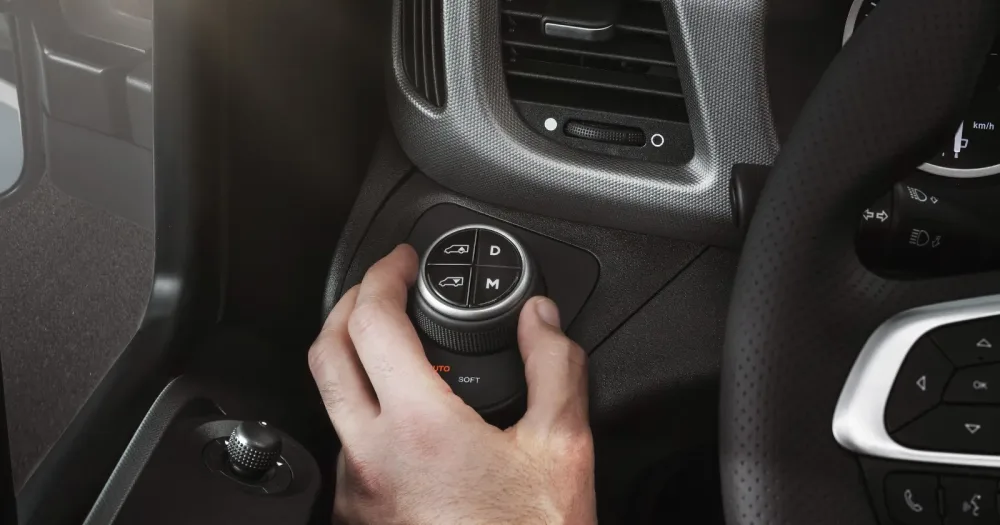
One of the most critical aspects of Iveco van leasing is correctly matching the vehicle to your maximum weight requirements. Iveco vans are known for their impressive Gross Vehicle Weight (GVW) ratings, which in some configurations can reach significantly higher than standard light commercial vehicles. It is essential to understand the distinction between the gross vehicle weight and the actual finished-vehicle payload. The payload is the total weight your van can legally carry after accounting for the driver, any passengers, tools, and the weight of the vehicle itself, including its fuel and any fitted equipment or racking. Ignoring the weight of internal racking or auxiliary power sources can lead to overloading, which carries both legal and safety risks.
Load Volume and Dimensions
The Daily panel van comes in a variety of load volumes, typically spanning from compact models suitable for city navigation up to high-roof, long-wheelbase variants that offer massive cubic storage capacity. When planning your lease, measure the length, width, and height of the items you move most frequently. Remember to account for the wheel arch intrusions, as these can impact the effective floor space. For businesses moving oversized or palletised goods, the internal height of the Daily is a standout feature, often allowing for easier access and better load management. Always confirm the final payload after any body conversions or interior fit-outs are completed, as these additions reduce the available capacity for your cargo.
Engines, fuel types and electric options
Iveco has made significant strides in providing a range of powertrains that balance the need for high-torque performance with the growing requirement for lower emissions. The traditional diesel engines available for the Daily are engineered for high-mileage users who require constant power and the ability to tow substantial loads. These engines are designed to provide consistent torque at low revolutions, which is crucial for moving fully laden vehicles safely and efficiently. If your operation involves frequent long-distance motorway driving, these diesel units remain a reliable workhorse. Conversely, the introduction of the eDaily has transformed the landscape for urban operators, offering an electric solution that doesn't compromise on the heavy-duty capabilities expected of the brand.
The Electric Advantage
The eDaily offers significant flexibility through its battery configuration options, allowing operators to choose the capacity that best suits their typical daily routes. With advanced charging capabilities, it is designed to fit into a modern, environmentally conscious business plan. When evaluating electric Iveco van leasing, consider your available charging infrastructure at your base of operations. The manufacturer provides range estimates based on controlled testing, but it is prudent to factor in real-world variables such as extreme weather, heavy payloads, and stop-start traffic, which naturally impact the range of any electric vehicle. By selecting the appropriate battery size for your specific delivery circuit, you can enjoy the operational benefits of electric power without the concern of insufficient range during your working day.
Trim levels and what the options add
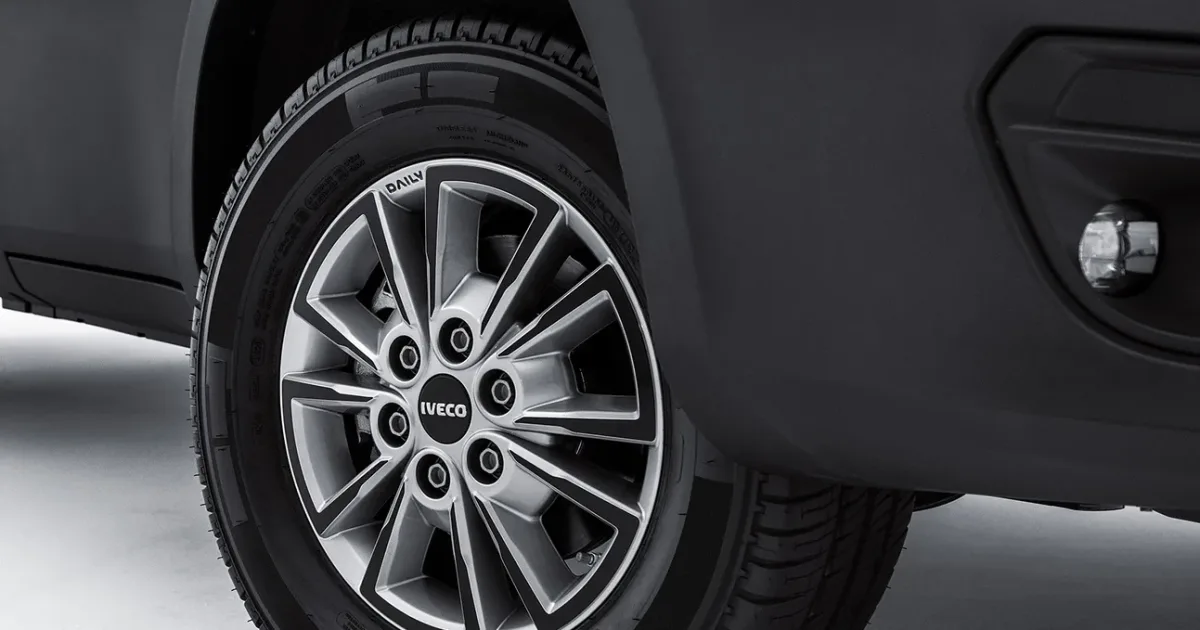
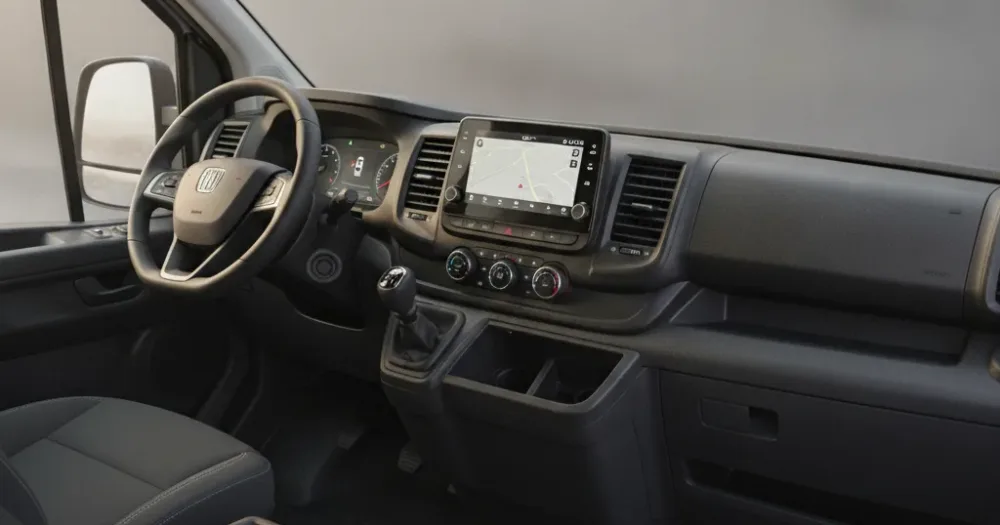
Choosing the right trim level is about balancing the comfort of the driver with the functional requirements of the business. Iveco typically offers different levels of equipment that can change the interior feel and the exterior aesthetics of the van. Basic trim levels are often stripped back for utility, featuring durable, easy-to-clean materials that stand up well to high-frequency use. Higher trim levels often include advanced infotainment systems, improved climate control, and additional safety aids such as advanced driver assistance systems (ADAS). These features can be particularly valuable for fleets where drivers spend many hours behind the wheel, as increased comfort is directly linked to better driver focus and overall safety.
Functional and Aesthetic Customisation
Beyond standard trim levels, the options list for an Iveco van is extensive. You can specify different suspension setups to handle varying loads, improved lighting for working in low-light environments, and enhanced security packages to protect your cargo. Some operators choose to add external ladder racks, rear steps, or upgraded door latches depending on their specific industry. While it is tempting to select every available option, it is best to focus on the features that provide a genuine return on investment, such as ergonomic seating that reduces fatigue or internal load-securing systems that prevent damage to your stock. Carefully selecting your options ensures that the van arrives from the factory prepared for your specific tasks without incurring unnecessary rental costs for equipment you will rarely use.
Monthly rental, initial rental and mileage
In a standard leasing agreement, the monthly rental is determined by a combination of the van's capital cost, the contract duration, the agreed annual mileage, and the anticipated residual value of the vehicle at the end of the term. The initial rental is a sum paid at the start of the contract, which essentially serves to reduce the subsequent monthly payments. Choosing a higher initial rental can lower your monthly overheads significantly, whereas a lower initial rental keeps your upfront cash flow stronger. It is a matter of business preference and liquidity management. There is no right or wrong approach, but it is important to be consistent with your budget projections over the life of the lease.
Managing Your Financial Commitment
Because the contract is fixed, your costs remain predictable throughout the term, allowing you to focus on running your business rather than worrying about the fluctuating value of the asset. It is important to note that the mileage you declare at the outset must be as accurate as possible. If your business requirements change, leading to significantly higher or lower mileage than expected, this can impact the settlement terms of the agreement. Always monitor your usage periodically to ensure you are tracking towards your annual limit. Keeping a clear record of your business miles can also assist with accounting and tax reporting obligations, making the transition between vehicle changes much smoother.
Choosing a contract length and annual mileage
Selecting the right contract term and mileage allowance is the most effective way to optimise the cost-efficiency of your lease. Common contract lengths range from two to five years. Shorter contracts mean you always have the newest technology and benefit from full manufacturer warranties, but the monthly cost is typically higher because the depreciation is concentrated over a shorter period. Longer contracts generally result in lower monthly rentals, but they do mean you will be operating an older vehicle towards the end of the term, which may eventually require more maintenance as the van ages. Think about how long you intend to keep a vehicle before the repair costs or the lack of modern features outweighs the benefit of keeping the existing unit.
Defining Annual Limits
Annual mileage is just as critical. If you set your limit too low, you may face excess mileage charges when you return the vehicle at the end of the contract. If you set it too high, you are essentially paying for use that you are not utilising, which represents an inefficient use of funds. Look at your historical vehicle data to see how many miles your current fleet covers per year. If your business is seasonal, or if you are entering a period of growth, consider whether your future requirements might exceed your past performance. It is always better to estimate slightly over than to be caught by surprise by high mileage at the end of the lease, as it allows for greater flexibility in how you use the van.
What is included and what you still pay for
Understanding the distinction between what is part of your lease and what is an additional business responsibility is vital for avoiding unexpected expenses. A standard lease agreement covers the use of the vehicle for the duration of the contract, but it typically excludes consumables and day-to-day running costs unless you have specifically bundled a maintenance package into your agreement. You will always be responsible for fuel, insurance, and the daily care of the vehicle. If you opt for a maintenance-inclusive contract, this generally covers items such as routine servicing, MOTs, and replacement of wear-and-tear items like tyres or brake pads, depending on the terms of that specific policy.
Taking Care of the Vehicle
Even with comprehensive support, the onus remains on the driver to perform basic checks, such as monitoring tyre pressures, oil levels, and ensuring that any warning lights are addressed immediately. Ignoring these minor tasks can lead to significant mechanical issues that are not covered by standard maintenance agreements and may be classified as neglect. For businesses that rely on their vans to generate revenue, it is highly recommended to keep a thorough maintenance log and follow the manufacturer’s recommended service intervals strictly. Doing so not only keeps the vehicle in optimal condition but also ensures that when the time comes to return the van, you have a complete service history, which is essential for fulfilling your contractual obligations and keeping costs under control.
Running costs and handing the van back
Effective fleet management involves a constant watch over running costs, including fuel efficiency and tax. While modern Iveco engines are designed for economy, the way the vehicle is driven and the weight it carries will have the biggest impact on your fuel consumption. Educating drivers on smooth acceleration and the importance of not carrying unnecessary weight can lead to significant savings over the course of a year. When it comes to the end of your contract, you will need to return the vehicle in a condition that meets the industry standard guidelines. This is often referred to as 'fair wear and tear'. These standards allow for minor marks consistent with age and use, but they do not cover heavy damage, interior staining, or missing components.
The Return Process
The return process is straightforward if you have maintained the van well. A professional inspection will take place to assess the vehicle against the return standards. It is advisable to conduct your own inspection a few weeks before the return date, cleaning the vehicle thoroughly and checking for any damage that might fall outside the accepted standards. If you find significant issues, having them repaired by a reputable garage before the return is often more cost-effective than being charged for them by the leasing company. By treating the return as a proactive step in your fleet lifecycle, you ensure the process is seamless and that you are ready to transition into your next Iveco vehicle without delay or unexpected costs.
FAQs
What should I consider when calculating the payload of an Iveco Daily? When calculating payload, you must subtract the weight of the driver, all passengers, fuel, and any aftermarket additions such as racking, shelving, or power supplies from the van's total Gross Vehicle Weight. Always use the manufacturer's technical specifications for your specific model rather than general ranges to ensure you remain within legal weight limits.
Is an electric eDaily suitable for long-distance deliveries? The eDaily is primarily designed for urban and regional operations. While it offers impressive range, its suitability for long-distance work depends on your access to high-speed charging infrastructure and the specifics of your route. Always evaluate the real-world impact of your payload and driving style on the vehicle's range before committing to an electric model.
What happens if I exceed my agreed annual mileage? If you exceed your annual mileage limit, you will typically be charged an excess mileage fee for every mile driven over the agreed amount, as specified in your contract terms. It is best to monitor your usage throughout the lease and speak to your provider if your business requirements change significantly so you can look at adjusting the contract early.
What does 'fair wear and tear' mean when returning my leased van? Fair wear and tear refers to the acceptable level of deterioration that occurs through normal, day-to-day use of the vehicle over the term of the contract. It includes minor paint chips or small scuffs that are consistent with the vehicle's age and mileage, but it does not cover damage resulting from accidents, neglect, or heavy impacts that require structural or cosmetic repair.
contracthire.tv is a trading name of Swiss Vans Ltd, authorised and regulated by the Financial Conduct Authority (FRN 668283) as a credit broker, not a lender.