Jeep Car Leasing: A Complete Guide

Jeep Car Leasing: A Complete Guide
Jeep car leasing provides a structured, predictable way to drive a new vehicle without the commitment of full ownership, allowing you to enjoy the latest SUV technology while managing your cash flow. Before leasing, you must understand your total annual mileage, preferred contract term, and the specific maintenance responsibilities associated with a long-term lease agreement.
Why lease a Jeep
Leasing a Jeep offers a unique proposition for motorists who desire rugged capability paired with modern design. One of the primary benefits of choosing this route is the ability to frequently update your vehicle to the newest model, ensuring that you always benefit from the latest advancements in off-road technology, safety systems, and infotainment connectivity. By opting for a lease, you avoid the uncertainties of asset depreciation, as the value of the car at the end of the term is not your responsibility. Instead, you focus solely on the fixed monthly rentals, which allows for better budget management compared to traditional purchasing methods where residual values can fluctuate wildly based on market conditions.
Access to Premium Capability
Jeep is synonymous with adventure and versatility. When you lease, you gain access to high-specification vehicles that might otherwise be outside your immediate capital budget. Whether you require the legendary rock-crawling capabilities of a Wrangler or the sophisticated urban presence of a Renegade, leasing provides a gateway to these models through manageable monthly structures. Furthermore, because Jeep updates its fleet regularly, leasing ensures you are never stuck with an aging vehicle that misses out on newer, more efficient powertrains or improved cabin ergonomics. Many drivers also appreciate that leasing simplifies the process of changing cars; at the end of your contract, you simply hand the keys back, avoiding the often stressful process of selling or part-exchanging a used vehicle in a volatile private market.
Jeep cars you can lease
The current Jeep lineup is diverse, catering to different lifestyle needs, from compact city explorers to full-sized family SUVs. The Jeep Avenger has recently captured attention for its compact dimensions and agile handling, making it a perfect fit for urban environments where parking and manoeuvrability are critical. Moving up the scale, the Jeep Renegade offers a more traditional, boxy aesthetic with substantial interior space that appeals to families who need practicality without the bulk of a larger vehicle. For those requiring a serious off-roader, the Jeep Wrangler remains the benchmark, offering iconic styling and unparalleled capability on challenging terrain. Each of these vehicles brings a specific set of features to the table, and when leasing, the primary choice revolves around which model best aligns with your daily routine and storage requirements.
Tailoring your choice
When selecting your vehicle, consider how you actually use your car on a daily basis. If your commute involves heavy traffic, the compact dimensions of the Avenger might be your best ally. If you regularly transport sports equipment or head out on long-distance camping trips, the larger Wrangler or the Compass may offer the necessary luggage capacity and passenger comfort. Always look at the boot dimensions and rear-seat legroom provided in the manufacturer specifications, as these figures often differ between the various model iterations. By identifying the exact body style and engine configuration that meets your needs, you can ensure that your lease contract remains a source of enjoyment rather than a logistical constraint for the duration of the agreement.
Petrol, diesel, hybrid and electric options
Jeep has made significant strides in diversifying its engine offerings to align with global environmental trends and changing consumer preferences. Leasing allows you to experiment with these technologies without making a long-term investment in a potentially depreciating asset. Traditional internal combustion engines, such as the efficient turbocharged petrol units, offer a familiar driving experience with punchy performance, ideal for those who primarily undertake long motorway journeys. Meanwhile, the emergence of the 4xe plug-in hybrid range is a game-changer for Jeep, allowing drivers to benefit from electric-only range for local errands while maintaining the petrol engine’s flexibility for longer adventures. This hybrid technology is particularly advantageous for drivers who can charge at home, effectively reducing the running costs of their daily commute while still having the power needed for weekend excursions.
Embracing electrification
The full-electric Avenger represents the brand’s commitment to a cleaner future, offering a zero-tailpipe emission driving experience without sacrificing the Jeep spirit. For many, leasing an electric vehicle (EV) is a smart way to transition into this technology; it mitigates the concerns regarding battery longevity or evolving charging standards, as you are only committed to the car for a few years. When deciding between powertrain options, calculate your average daily mileage and assess your access to home or public charging infrastructure. If you primarily operate in city centres, an electric or plug-in hybrid model will likely be the most cost-efficient choice over the duration of your lease. Conversely, those who drive consistently high annual mileages over long distances might still find that a modern, efficient petrol engine offers the best balance of performance and refueling convenience.

Trim levels and what the options add
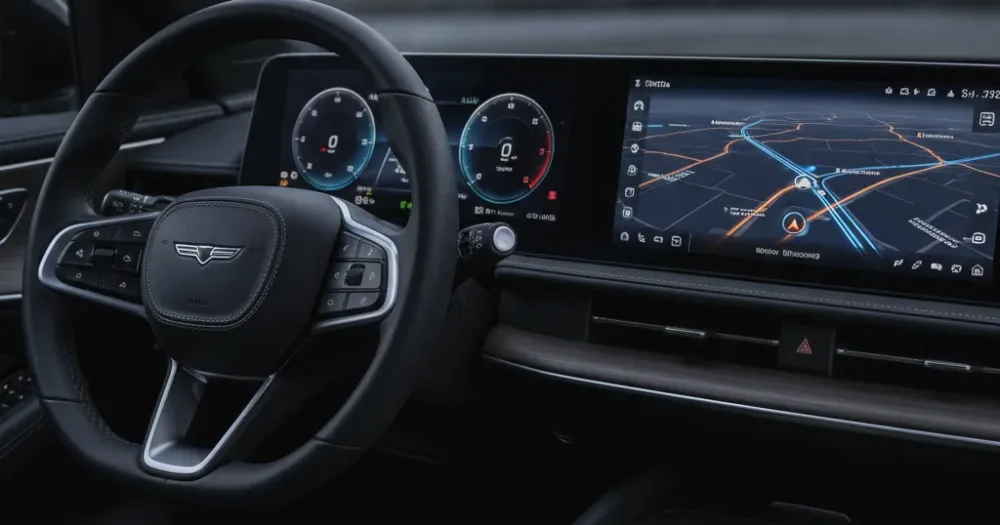
Jeep organizes its vehicles into specific trim levels, ranging from entry-level editions designed for value to flagship models packed with luxury materials and advanced driver assistance systems. Understanding the difference between these trims is crucial for your lease, as the equipment level fundamentally alters your daily driving experience. Entry-level models often include the essential safety features, basic infotainment, and the signature Jeep styling, while mid-range trims usually add conveniences such as upgraded alloy wheels, advanced climate control, and superior sound systems. The range-topping trims, such as those denoted with specific badges or 'Summit' naming, typically feature premium leather interiors, advanced panoramic sunroofs, and the most sophisticated off-road management systems available in the Jeep stable.
Why spec matters
Selecting the right trim is not just about aesthetics; it is about the creature comforts you will interact with every day. If you spend significant time in your vehicle, upgrading to a trim that includes a high-resolution touchscreen and an upgraded infotainment interface can vastly improve your connectivity and navigation experience. Many higher trim levels also include driver-assistance technology that can make motorway driving less tiring, such as adaptive cruise control and blind-spot monitoring. Before you finalise your lease contract, compare the standard equipment lists side by side. It is worth noting that while choosing a higher trim level will impact your monthly rental, the added value in terms of comfort, safety, and re-sale appeal—which the leasing company factors into their residual value calculations—often makes the step-up smaller than expected, providing excellent value for money over the course of the contract.
Monthly rental, initial rental and mileage
The structure of a lease contract is built on three foundational pillars: the initial rental, the ongoing monthly rentals, and the total mileage allowance. The initial rental, often referred to as the 'advance rental', is a lump sum paid at the start of the agreement. A larger initial rental effectively reduces the total balance that needs to be financed, which in turn lowers your subsequent monthly rentals. It is a balancing act; you must decide how much liquid capital you want to commit upfront versus how much you are comfortable paying each month. There is no one-size-fits-all approach, and the decision should be guided by your personal cash flow preference. Always ensure that the payment plan you select is sustainable for the entire duration of the lease term, as your commitment remains fixed throughout.
Setting expectations
Mileage is perhaps the most critical factor in your lease, as it directly impacts both the monthly cost and the potential for excess-mileage charges at the end of the term. You should be realistic about your driving habits. If you underestimate your mileage, you will be liable for additional fees per mile over the agreed limit when you return the vehicle. Conversely, overestimating your mileage means you are paying for capacity you aren't using. Keep a record of your mileage over the past year or look at your previous MOT certificates to get an accurate estimate of your annual usage. By aligning your contract mileage as closely as possible to your actual driving habits, you can effectively avoid surprise costs at the end of the agreement and maintain a clear, predictable budget for your motoring expenses.
Choosing a contract length and annual mileage
Lease contracts typically range from two to four years, and the choice of term length changes the feel of your monthly budget. A two-year lease allows you to refresh your vehicle very quickly, keeping you in a brand-new car with the latest warranty and technology. However, the monthly rental on a shorter term is often higher because the vehicle’s depreciation is most severe in its first few years. A four-year lease, by contrast, lowers the monthly rental, spreading the cost over a longer duration. While you keep the car longer, you must consider whether the vehicle will still meet your requirements in four years' time. If your family size might change or your job might shift towards a different commute, a shorter lease provides more flexibility to adapt your vehicle choice in the near future.
The mileage factor
When selecting your term, consider the total mileage of the vehicle by the time the lease ends. If you drive 10,000 miles per year, a four-year contract results in a 40,000-mile car. Ensure that this total figure fits within your planned usage, as some finance agreements have hard caps or sliding scales for excess mileage charges. Always remember that the maintenance and servicing intervals of the Jeep you choose might also be influenced by the total mileage you cover. If you are a high-mileage driver, you may need to factor in an extra service or a set of replacement tyres during your lease term. Discussing these variables with your representative can help you structure a lease that works harmoniously with your lifestyle, ensuring that you aren't paying for excess capacity while simultaneously avoiding the pitfalls of a restrictive contract.
What is included and what you still pay for
A standard Jeep lease contract primarily covers the rental of the vehicle itself for the agreed period. This means the costs of the car’s depreciation are taken care of, and in many cases, standard road fund licence (vehicle excise duty) is included for the duration of the contract. However, it is vital to understand that a lease is not a 'full-service' package unless you specifically add a maintenance contract. You are generally responsible for all day-to-day running costs, such as fuel or electricity, insurance, and the upkeep of the vehicle. This includes ensuring the car is serviced according to the manufacturer’s schedule at an approved service centre. If you neglect these requirements, you may be held liable for damages or the reduced value of the vehicle when it is returned at the end of the contract.
Responsibility and maintenance
Maintenance packages can be added to many lease agreements to cover the cost of servicing, tyres, and routine repairs. These are often paid as a small addition to your monthly rental. Deciding whether to include this is a matter of weighing convenience against cost. Without a maintenance plan, you pay for servicing and tyres out-of-pocket as they arise, which can lead to unpredictable spikes in your expenditure. With a plan, those costs are smoothed out, providing a fixed monthly amount that covers almost everything besides fuel and insurance. Always read your contract documents carefully to see exactly what is included. Knowing whether consumables like wiper blades or bulbs are covered can make a significant difference in how you view the total cost of ownership throughout your time with the vehicle.
Running costs to plan for
Beyond the monthly lease rental, you need to budget for the ongoing operation of your Jeep to ensure the vehicle remains reliable and legal throughout the term. Insurance is the most significant recurring cost. Because leased vehicles are new, most providers require comprehensive insurance cover. You should shop around for quotes specifically for the model you intend to lease before signing, as insurance premiums vary significantly based on vehicle value, engine type, and your personal driving history. Additionally, do not forget the cost of electricity or fuel. If you are opting for an electric or plug-in hybrid model, your charging setup at home or your reliance on public rapid chargers will dictate your monthly energy spend. High-speed public chargers are often more expensive than home electricity, so planning your charging habits is essential for accurate budgeting.
Hidden expenses
Cleaning and cosmetic care are other factors to consider. Under the terms of your lease, you are required to keep the car in good condition, generally following the BVRLA Fair Wear and Tear guidelines. This does not mean the car must look factory-fresh, but it does mean you should be diligent about preventing damage. Regular washing and vacuuming, and perhaps the occasional professional valet, will help protect the paintwork and upholstery. Failure to maintain the vehicle to these standards can result in 'end-of-contract' charges when the finance company assesses the car. By budgeting for basic care products and keeping an eye on the car's general condition, you can avoid these unexpected costs and ensure a smooth return process when your contract eventually concludes.
Handing the Jeep back at the end of the lease
The end of your lease agreement is a straightforward process, but it requires preparation to ensure it goes smoothly. Around three months before the end of the contract, the finance provider will contact you to discuss your options and the logistics of the return. This is the time to perform a thorough inspection of the vehicle. Check the bodywork for any dents, deep scratches, or chips that go beyond fair wear and tear. Ensure that all standard equipment—such as the spare key, service manual, and charging cables for electric or hybrid models—is present and in good working order. If you have been diligent with your servicing and general maintenance throughout the lease, the return process should be simple, involving an inspector confirming the car’s condition against the expected standards.
Preparation is key
To avoid potential penalties, take the time to clean the vehicle thoroughly before the inspection, as this allows you and the inspector to see the condition of the paint and interior clearly. If there are any areas of concern, consider having them professionally repaired before the handover; often, you can source cheaper repairs independently than the rates the finance company might charge you for the same work. Once the vehicle is collected, you are free to begin the process again with a new lease, choosing the latest Jeep model that suits your requirements at that time. This cycle provides a seamless experience, allowing you to focus on the enjoyment of driving a modern, capable SUV without the long-term headaches associated with vehicle ownership or the need to find a buyer for your old car.
FAQs
What should I look for in a Jeep lease contract? You should check the annual mileage allowance to ensure it fits your needs, the duration of the contract to suit your budget, and whether a maintenance package is included. Always read the terms regarding end-of-contract wear and tear.
Can I end my Jeep lease early if my circumstances change? Ending a lease early is generally possible, but it typically involves early termination fees which can be significant. It is best to choose a contract length you are confident you can complete to avoid these extra costs.
Is insurance included in my monthly Jeep rental? No, standard vehicle leasing does not include insurance. You are responsible for arranging comprehensive insurance cover for the vehicle throughout the duration of your lease agreement.
What happens if I go over my agreed mileage on a Jeep lease? If you exceed the annual mileage limit agreed upon in your contract, you will be required to pay an 'excess mileage' charge for every mile driven over the limit. This rate is set out in your initial contract.
contracthire.tv is a trading name of Swiss Vans Ltd, authorised and regulated by the Financial Conduct Authority (FRN 668283) as a credit broker, not a lender.