Mercedes-Benz Car Leasing: A Complete Guide
Mercedes-Benz Car Leasing: A Complete Guide
Leasing a Mercedes-Benz involves understanding your exact business or personal mileage requirements, selecting a model that fits your specific transport needs, and ensuring your budget aligns with the chosen term and rental structure. By choosing Mercedes-Benz car leasing, you gain access to premium engineering and reliability while spreading the cost over a manageable period that suits your cash flow.
The Mercedes-Benz Car range at a glance
Mercedes-Benz is globally recognised for a diverse range of vehicles that combine executive luxury with practical engineering. When exploring your leasing options, it is essential to first understand the breadth of the current line-up. From compact city cars designed for efficiency to the robust Sprinter range that serves as the backbone for thousands of businesses across the UK, the variety ensures that there is a solution for every driver. The brand has transitioned aggressively into electrification, meaning that many models now offer plug-in hybrid or fully electric powertrains, which is an important consideration for drivers looking to lower their long-term running costs and reduce their environmental impact.
Exploring Electric and Combustion Options
Whether you require a vehicle for light-duty urban transport or heavy-duty commercial lifting, the Mercedes-Benz range offers distinct advantages. The Citan serves as a nimble option for small business owners, while the Vito provides a mid-sized solution that balances cargo capacity with driving comfort. For the most demanding roles, the Sprinter remains a industry benchmark, offering massive internal volumes that can be adapted for specialist conversions. When you look at the market, recent data shows that battery-electric light commercial vehicles account for a growing segment of new registrations, hovering around 11% to 13% of the total market share, indicating a significant shift in fleet strategy. Choosing the right powertrain is not just about the engine; it is about how the vehicle integrates into your daily workflow.
Defining Your Operational Needs
Before committing to a lease, take the time to evaluate the daily demands placed on your vehicle. Consider the maximum payload required for your daily work, as the addition of heavy batteries or bespoke interior racking can significantly reduce the weight capacity of your vehicle. Every derivative in the Mercedes-Benz range is designed for a different purpose, so matching the technical specifications—such as load volume or electric range—to your daily reality is the most important step in the selection process. Ensure you verify the load dimensions for the specific variant you are interested in to avoid issues with your cargo once the vehicle is delivered.
Choosing a model and trim
Selecting the right model and trim level requires more than just an appreciation for aesthetics; it requires a deep dive into the functional utility provided by the vehicle. Trims within the Mercedes-Benz range often include varying levels of driver assistance technology, interior comfort features, and exterior styling packs. While entry-level trims provide the essentials required for daily operation, higher trim levels often include advanced connectivity and safety features that can enhance the working environment for drivers who spend hours behind the wheel. When you look at the leasing market, remember that higher-spec models may impact your residual value expectations, which can influence the structure of your lease agreement.
Tech and Safety Specifications
Modern Mercedes-Benz vehicles are equipped with sophisticated infotainment systems and driver safety suites that are designed to mitigate fatigue and improve road safety. Features like lane-keeping assist, adaptive cruise control, and advanced parking sensors are increasingly common, even in mid-range models. If you are leasing for commercial use, consider whether your drivers require specific telematics or integrated navigation systems to manage their routes effectively. These features are not just luxuries; they are tools that can improve the efficiency of your operations by reducing downtime and helping drivers navigate difficult traffic conditions more reliably.
Assessing Trim Utility
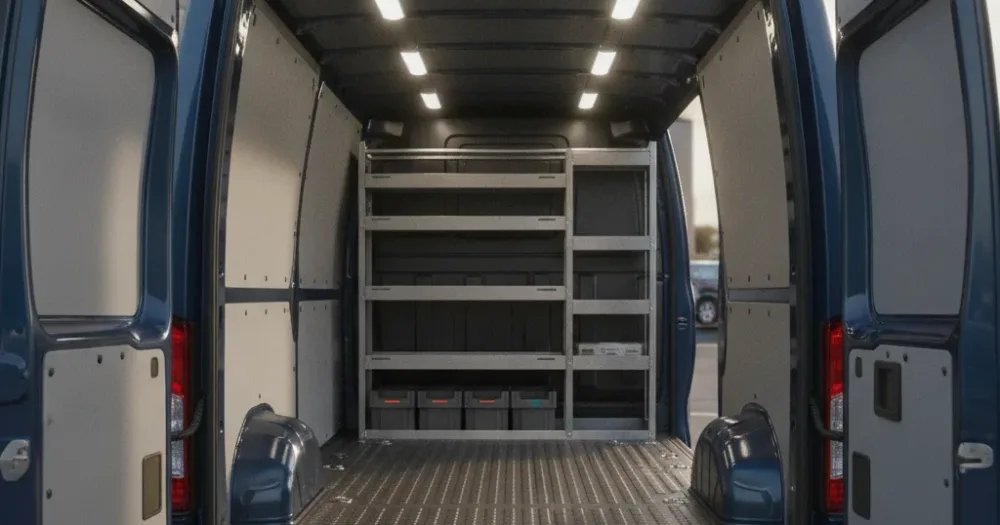
Think about the materials used in the cabin and the load bay. For a heavy-duty commercial van, high-durability lining and easy-clean surfaces are essential for protecting the vehicle’s interior over the duration of the lease. Conversely, if you are looking at executive passenger vehicles, the focus might shift toward premium leather finishes and ambient lighting. Do not be swayed by the look of a trim alone. Always ask yourself: will this trim stand up to the wear and tear of my daily routine for the next two, three, or four years? By thinking in terms of longevity, you make a better long-term decision.
Monthly rental, initial rental and mileage
Lease agreements are built upon three core financial pillars: the initial rental, the monthly rental, and the agreed annual mileage. These components are interdependent; increasing your initial rental usually lowers the monthly cost, while setting a higher annual mileage allowance increases the monthly rental because it accounts for greater depreciation over the term. It is vital to set these figures accurately from the outset. A common mistake is to underestimate annual mileage to achieve a lower monthly rental, only to face excess mileage charges at the end of the term. Take your actual mileage from previous years and add a 10% buffer to ensure you are protected against unexpected business growth or personal travel demands.
Balancing the Initial Rental
The initial rental is an upfront payment made at the start of your contract. While it is tempting to keep this low, consider how much capital you want to tie up in the vehicle from day one. A larger initial rental reduces the overall interest burden over the life of the lease, effectively lowering your monthly output. Conversely, a smaller initial rental preserves your cash flow for other business expenses. Consult with your accountant to understand how these payments are treated for tax purposes, as this can vary significantly depending on whether you are leasing through a limited company or as an individual. Every financial situation is unique, and aligning your rental structure with your cash flow cycle is essential for long-term stability.
Understanding Term Lengths
The term of your lease, typically ranging from 24 to 48 months, dictates how frequently you change your vehicle. Shorter terms allow you to access the latest vehicle technology and safety updates more often, but they usually result in higher monthly payments. Longer terms offer lower monthly costs but keep you in the same vehicle for a longer duration, which might mean missing out on newer, more efficient models. Consider your vehicle replacement strategy. If you prefer to stay on the cutting edge of electric van technology, a shorter term might be preferable given the rapid advancements in battery range and charging infrastructure currently observed in the market.

What is included and what is not
A leasing contract is essentially a service agreement, and understanding what sits within that agreement is crucial for avoiding hidden costs. Most standard lease deals cover the cost of the vehicle depreciation, but they do not automatically cover maintenance, road fund licence, or insurance. You must decide whether to include a maintenance package, which covers routine servicing, tyres, and necessary repairs. For many businesses, a maintenance-inclusive contract provides peace of mind, as it allows for predictable budgeting and prevents surprise costs if the vehicle requires a major service. However, it is not mandatory. If you have an in-house fleet manager or a preferred local garage, you may prefer to manage maintenance yourself.
The Importance of Insurance and Tax
Road fund licence is usually included for the duration of the lease, but you must ensure your insurance policy is active from the moment of delivery. Since you are the registered keeper but not the owner of the vehicle, your insurance policy must reflect this correctly. Many insurers have specific requirements for leased vehicles, so clarify your lease status with your provider to ensure you are fully compliant. If you are leasing as a business, you might also have specific VAT considerations. Ensure your business structure is correctly documented so you can reclaim any applicable VAT on the rental payments, as this can significantly change the overall cost efficiency of the lease.
Excluded Costs to Consider
Never assume that every incidental cost is covered. Consumables like screen wash, AdBlue, and tyre replacements (if you have not opted for a maintenance package) are your responsibility. Furthermore, any modifications, branding, or aftermarket accessories must generally be approved by the finance provider before installation. If you intend to wrap your van in company graphics, ensure you understand the rules for removing these decals before the car is returned. Failing to remove branding or causing damage to the paintwork during the removal process can lead to significant penalties at the end of the contract.
Handing the car back
The conclusion of a lease agreement, often called the hand-back process, is the moment when the condition of your vehicle is evaluated against the finance provider’s fair wear and tear policy. This policy defines what is considered acceptable usage for the age and mileage of the vehicle, including minor scuffs or stone chips. It is a vital document that you should familiarise yourself with long before your contract ends. Roughly three to six months before your lease expires, carry out a thorough inspection of the vehicle yourself. Look at the tyres, the interior upholstery, and the bodywork. If there are issues that fall outside of fair wear and tear, it is often more cost-effective to have them repaired by an approved professional rather than waiting for the finance company’s end-of-lease invoice.
Preparing for the Inspection
When the inspector arrives to collect the vehicle, they will check the interior and exterior against the agreed return standard. Ensure the vehicle is clean, both inside and out, as this makes the inspection process faster and often helps avoid unnecessary disputes. You should have all the items that came with the car, such as the spare key, service books, and any charging cables (for electric or plug-in hybrid models), ready to hand over. If these items are missing, you will likely be charged for replacements. By keeping the vehicle well-maintained and following the manufacturer's recommended service schedule, you are already halfway to a trouble-free return experience.
Early Termination and Changes
Life circumstances change, and sometimes it may become necessary to end a lease early. Most agreements have specific provisions for early termination, which typically involve a financial calculation based on the remaining balance of the contract. It is rarely a simple case of just dropping off the keys. If you foresee a change in your circumstances, such as a shift in business operations, contact your provider as soon as possible to discuss your options. Transparency is key to managing the costs associated with early termination, and in many cases, finding a replacement vehicle or an alternative solution can be negotiated with professional assistance.

FAQs
What happens if I exceed my mileage limit? If you drive more miles than were agreed upon at the start of your contract, you will be required to pay an excess mileage charge. This is calculated on a pence-per-mile basis, which is set out in your original lease agreement. It is always better to estimate your mileage accurately at the beginning to avoid these unexpected costs at the end of the term.
Can I make changes to the vehicle during the lease? Generally, you are expected to return the vehicle in its original, factory-specified condition. Any modifications, such as adding permanent racking, changing the paint, or installing aftermarket tech, require written consent from the finance provider. It is vital to check your contract terms before making any alterations to ensure you do not breach your agreement.
Does the lease cover servicing and repairs? A standard lease agreement usually covers the use of the vehicle, but maintenance, such as servicing, MOTs, and replacement tyres, is optional. You can choose to add a maintenance package to your contract to cover these costs through your monthly payments, or you can choose to handle these responsibilities yourself throughout the duration of the lease.
What is the difference between personal and business leasing? Personal leasing is for individuals using the vehicle for private purposes, whereas business leasing is for companies or sole traders using the vehicle primarily for work. The main differences relate to how the contracts are structured, the tax treatment of the rentals, and the VAT implications, which vary depending on your specific financial situation.
contracthire.tv is a trading name of Swiss Vans Ltd, authorised and regulated by the Financial Conduct Authority (FRN 668283) as a credit broker, not a lender.