Mercedes-Benz Sprinter Van Leasing Guide
Mercedes-Benz Sprinter Van Leasing Guide
Leasing a Mercedes-Benz Sprinter provides businesses with access to a premium, highly versatile large van platform designed for intensive daily work while managing capital expenditure. Understanding the specific load requirements, engine performance, and contract terms is essential to ensuring this vehicle aligns with your operational needs during your Mercedes-Benz Sprinter van leasing guide research process.
Who the Mercedes-Benz Sprinter suits
The Mercedes-Benz Sprinter is designed for businesses that require high levels of reliability, comfort, and professional image. Its reputation as a workhorse makes it ideal for courier services, large-scale delivery logistics, and tradespeople who carry significant equipment. Because it offers a refined driving experience, it is also a preferred choice for companies where drivers spend long hours behind the wheel, as the cabin provides a premium environment that reduces fatigue compared to more basic commercial alternatives.
Industry specific benefits
For high-mileage users, the Sprinter offers a robust chassis that handles consistent motorway use exceptionally well. The suspension tuning provides a stable ride even when lightly loaded, yet it maintains composure when fully laden. Businesses that perform mobile workshops or refrigerated conversions benefit from the various factory-supported configurations, which allow for seamless integration of specialized equipment. If your business depends on uptime and frequent, reliable long-distance travel, the Sprinter is specifically engineered to provide that level of operational consistency.
Driver-focused design
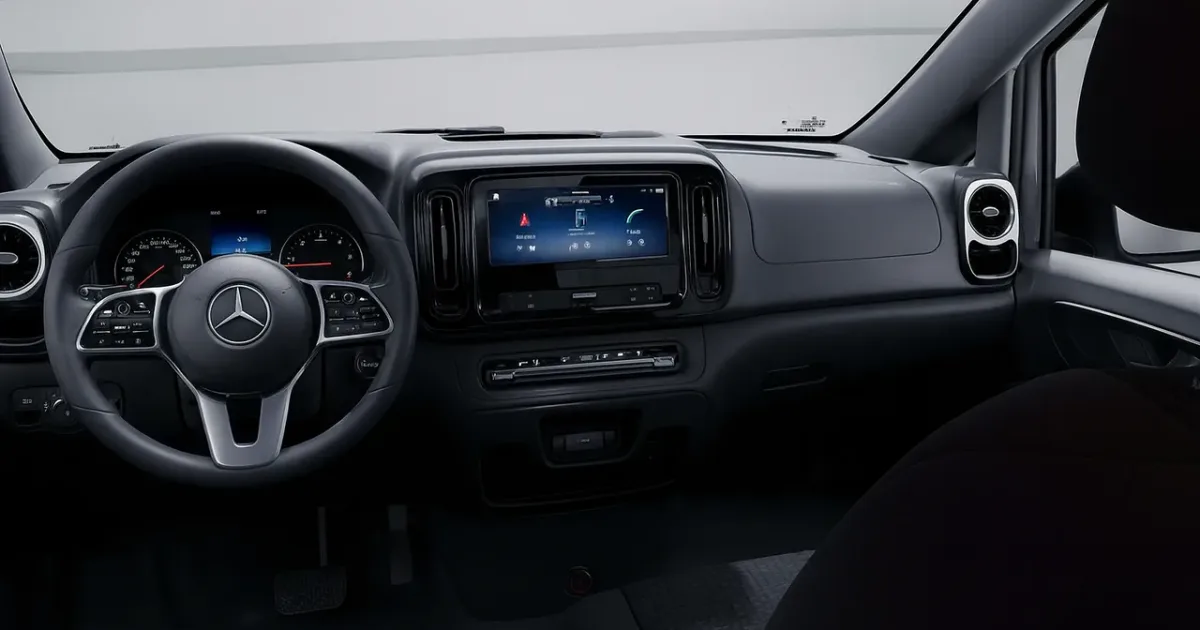
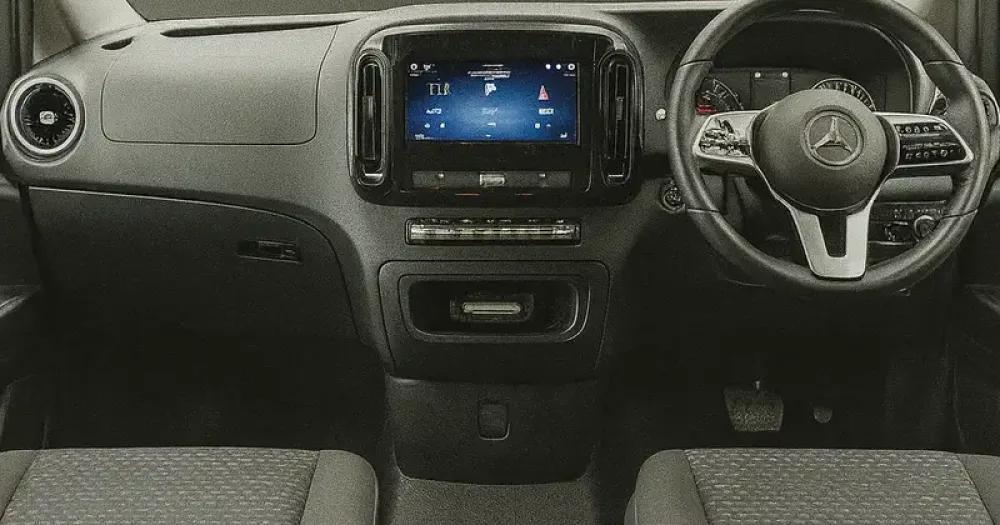
Beyond its load-carrying capacity, the Sprinter suits companies prioritizing driver satisfaction. Features like the MBUX multimedia system and supportive seating mean that employees are less likely to experience the physical toll often associated with manual labor driving. For business owners, this translates to improved staff retention and a more professional appearance when arriving at client sites. Whether you are operating a single vehicle or managing a larger fleet, the Mercedes-Benz badge communicates a level of quality that can enhance your company's brand positioning in competitive sectors.
Sizes, body types and payload
When selecting your Sprinter, you must carefully match the body dimensions to your specific business tasks. Mercedes-Benz provides three distinct lengths and varying roof heights, which fundamentally change the load space and accessibility of the vehicle. It is critical to calculate your typical load volume accurately, as selecting the wrong length or height can result in wasted space or an inability to fit the cargo you carry daily.
Understanding weight limits
Payload is perhaps the most vital metric when leasing a large van. Remember that every addition to the vehicle—such as racking, bulkheads, or even a tail lift—subtracts from the available payload capacity. You must verify the specific weight limits for your chosen configuration, as heavy-duty axles and long-wheelbase models have different capacities compared to standard panel vans. Always consider the weight of the driver and any passengers when calculating your maximum permissible weight, as exceeding these limits can lead to legal issues and vehicle damage.
Dimension considerations
The external dimensions are just as important as the internal load area. If you operate in urban areas with tight parking, low bridges, or height-restricted car parks, the high-roof variants might present a challenge. Conversely, if you are transporting bulky goods that require standing room, the high roof is an essential feature. Assessing your route and your local environment is a standard step in ensuring that the specific Sprinter model you choose will not hinder your daily operations due to size restrictions.
Engines, fuel types and electric options
The Mercedes-Benz Sprinter is available with a choice of modern diesel engines or an advanced battery-electric drivetrain, known as the eSprinter. Choosing between these depends primarily on your daily mileage patterns and your access to infrastructure. Diesel engines remain the backbone of long-haul logistics, providing high torque for heavy loads and the convenience of quick refueling at standard service stations, which is essential for businesses operating across the country without a fixed home base for charging.
Considering the electric eSprinter
The eSprinter is increasingly popular for businesses operating within urban clean-air zones or those with predictable, shorter-range routes. By moving to electric, businesses can potentially lower their overall operating costs and benefit from improved environmental credentials. When evaluating electric models, focus on your actual daily mileage rather than the theoretical maximum range. You should also account for how payload and weather conditions can affect battery range, ensuring your chosen electric configuration meets the realities of your work rather than just the ideal test conditions.
Balancing performance and efficiency
Both diesel and electric versions offer excellent performance, but they serve different operational profiles. If your work involves towing or carrying maximum payload over steep terrain, the torque profiles of the diesel engines are particularly effective. If your daily work involves frequent stop-start delivery cycles in a city, the electric drivetrain provides a smooth, quiet experience that can lead to lower maintenance requirements over the life of the lease. Compare your current fuel usage and typical trip lengths to identify which drivetrain provides the most logical fit for your business model.
Trim levels and what the options add
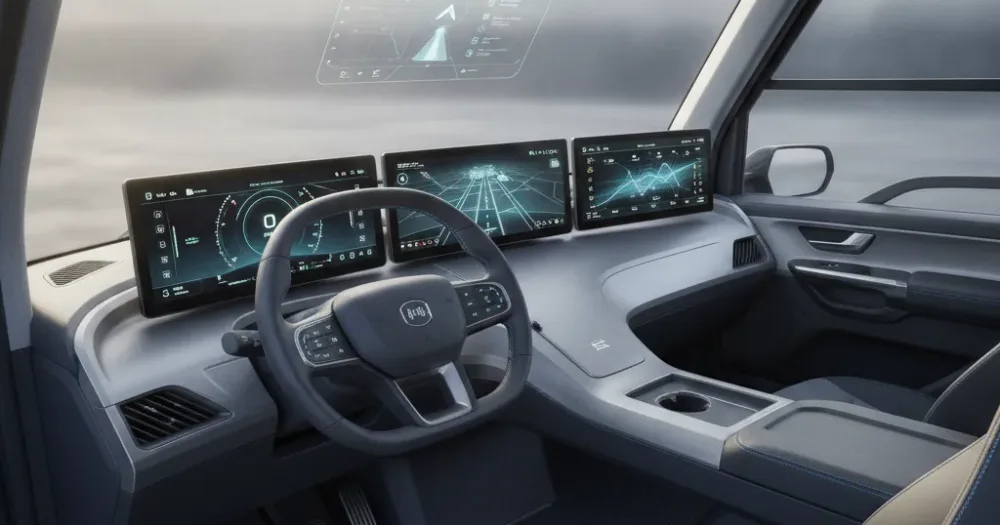
Mercedes-Benz structures the Sprinter with various trim levels that dictate the level of technology and convenience features included. The entry-level trims are focused on essential functionality, providing a solid platform that is cost-effective for businesses that do not require high levels of luxury. As you move up the trim range, you gain access to enhanced safety technology, interior upgrades, and exterior design flourishes that elevate the driving experience.
Customization and comfort
Optional extras allow you to tailor the cabin to your exact needs. These might include upgraded climate control systems for hot or cold climates, enhanced lighting for dark workspaces, and advanced multimedia interfaces that integrate with mobile devices for navigation and fleet management. Think about the features that your drivers use every day; if a feature makes the process of delivery or driving safer and more comfortable, it is often a worthwhile addition. Some trims also include additional driver-assistance systems that help with parking and lane maintenance, which can provide a significant benefit for larger vans.
The value of factory-fitted options
When leasing, adding factory-fitted options often makes more sense than aftermarket modifications. Factory options are covered by the manufacturer's warranty and integrated into the vehicle's electrical and structural systems during production. This ensures that features like cameras, sensors, and interior shelving are optimized for the vehicle's specific wiring. Before finalizing your lease, review the full list of available configurations to ensure you are not missing out on technology that could improve safety or efficiency for your team.
Monthly rental, initial rental and mileage
Lease agreements for the Sprinter are structured around a monthly rental fee, which is determined by the vehicle cost, the contract term, the expected depreciation, and the agreed-upon annual mileage. The initial rental is a payment made at the start of the contract. A higher initial rental will typically reduce your monthly rental payments over the life of the agreement, allowing you to manage your cash flow based on your business's seasonal revenue or capital availability.
Managing cash flow
It is important to view your initial rental and monthly rentals as part of a total cost strategy rather than isolated payments. By opting for a larger initial outlay, you can significantly reduce the ongoing monthly impact on your business accounts. Alternatively, keeping the initial rental low can preserve cash for other investments, though this will result in higher monthly outgoings. Discussing these options allows for flexibility, ensuring the payment structure supports your business's financial health throughout the duration of the lease.
Defining the terms
Your contract will specify the mileage limit for the year, which is a key driver of the overall price. Choosing an accurate mileage figure is crucial; if you underestimate, you may be liable for excess-mileage charges at the end of the term. Conversely, choosing a limit that is far higher than your actual usage means you are paying for capacity you are not using. Keep track of your fleet's historical mileage and factor in any anticipated growth in business activity when setting your annual limit.
Choosing a contract length and annual mileage
The length of your contract is a strategic decision that affects both your operational flexibility and the total cost of your Sprinter leasing. Common terms range from two to five years. Shorter terms allow you to rotate your fleet more frequently, ensuring your business always has the latest, most efficient vehicle technology on the road. Longer terms generally result in lower monthly payments, but they lock you into a vehicle for a greater period, which may not align with changing business requirements.
Assessing mileage requirements
Accurate mileage estimation is perhaps the most important part of the contract process. If your business shifts from local deliveries to national logistics, your mileage will climb quickly. Always build in a reasonable buffer to your estimates. Remember that you are paying for the estimated depreciation caused by your usage. If you find your business usage is increasing halfway through a contract, it is often better to discuss a mileage adjustment with the leasing company early rather than waiting until the end of the term to discover significant excess-mileage fees.
Aligning with vehicle life
Consider the anticipated maintenance profile of the Sprinter over your chosen term. A brand-new Sprinter will likely require very little beyond routine servicing in the first few years. As the vehicle gets older, the likelihood of wear and tear increases. Aligning the contract term with the point where you would naturally want to upgrade to a newer model ensures that you get the best value from the vehicle while minimizing the risk of expensive out-of-warranty repairs.
What is included and what you still pay for
A standard Sprinter lease usually covers the use of the vehicle and the financing of its depreciation. It is critical to distinguish between what is baked into your rental agreement and what remains your responsibility. Generally, the lease rental does not cover fuel, insurance, or general day-to-day items like screen wash and AdBlue. You remain responsible for ensuring the vehicle is fully insured and operated according to the law.
Maintenance and servicing
You can choose to include maintenance in your lease package, which covers routine servicing and sometimes tyre replacement, depending on the contract details. Including maintenance allows you to smooth out your costs, effectively turning variable maintenance bills into a predictable monthly expense. If you do not choose a maintenance-inclusive contract, you must ensure you have the funds set aside for scheduled services and any unexpected wear and tear. Always stick strictly to the manufacturer's recommended service schedule to maintain the vehicle correctly.
Operational responsibilities
Beyond finance, you must budget for commercial motor insurance and, if applicable, road tolls or clean-air zone charges. These are separate costs that fall entirely on the business. Additionally, keep in mind that you are responsible for the legal compliance of the vehicle, which includes ensuring the load is secured properly, driver checks are carried out, and the vehicle is kept clean and safe for the driver. These operational tasks are fundamental to successful van ownership regardless of whether you lease or purchase.
Running costs to plan for
Managing the running costs of a Sprinter involves more than just the monthly payment. Fuel (or electricity) is typically your largest ongoing variable cost. To manage this effectively, monitor your fuel efficiency across different routes and loads. With the Sprinter, driving style has a measurable impact on fuel consumption; encouraging your team to adopt economical driving habits can lead to significant cumulative savings over a long lease period.
Tax and insurance
Budgeting for commercial insurance premiums is an essential step before entering into a lease. As the vehicle is a business asset, ensure your insurance policy covers the specific use of the van, including any goods you are carrying. Additionally, check the current tax regulations regarding company vehicles, as these can impact the total cost of ownership. Having a clear picture of these annual expenses ensures you are not caught off guard by insurance renewals or changes in fiscal policy.
AdBlue and consumables
For diesel versions, AdBlue usage must be factored into your operating budget. This fluid is essential for emissions control and must be topped up regularly. While it is not a major expense, it is a consistent one that requires management. Furthermore, don't overlook the cost of tyres and wipers, especially if your fleet covers high mileage. Keeping the vehicle in good condition is not just a lease requirement; it is a way to ensure the vehicle remains reliable and avoids potential end-of-lease charges caused by neglect.
Handing the Mercedes-Benz Sprinter back at the end of the lease
At the end of your contract, the vehicle will be inspected to ensure it meets the agreed-upon condition standards. This process, often referred to as the return condition or fair wear and tear guide, focuses on the overall appearance and mechanical state of the van. You should return the vehicle in a state that reflects normal usage, taking into account its age and mileage. Any damage that goes beyond normal wear and tear—such as deep scratches, large dents, or damaged interior trim—may result in additional charges.
Preparing for return
To avoid unexpected costs, it is advisable to conduct your own pre-inspection a few months before the lease ends. Check the condition of the tyres, the cleanliness of the interior, and the integrity of the cargo bay. If you find significant damage, it is often more cost-effective to have it repaired by a professional prior to the return than to be charged by the leasing company later. Ensure that all sets of keys, vehicle documentation, and accessories like load-securing straps that came with the vehicle are accounted for.
The inspection process
The return inspection is a professional assessment of the vehicle's state. It is not designed to penalize you for normal use, but rather to ensure the vehicle is returned in a condition that reflects its value. By being proactive, keeping the vehicle clean, and addressing minor repairs early in the lease term, you can make the return process straightforward. Once the vehicle is inspected and accepted, your obligations under the lease are fulfilled, providing a clean slate to move into your next business vehicle.
Frequently asked questions
FAQs
What should I consider before starting a Mercedes-Benz Sprinter lease? Before leasing, identify the exact size and payload capacity you need for your daily operations. Evaluate your annual mileage, the type of driving (urban vs. motorway), and whether you have access to charging infrastructure if you are considering the eSprinter. Ensure your business can manage the monthly rentals and that you have a plan for insurance and maintenance costs.
How do I choose between diesel and electric for a Sprinter? Choose diesel if your daily work involves long distances, heavy loads, and limited access to charging points. Choose the electric eSprinter if your routes are predictable, urban-based, and you have access to charging at your depot or base, allowing you to benefit from potential fuel savings and lower local emissions.
What happens if I go over my agreed annual mileage? If you exceed the mileage limit stated in your contract, you will typically be charged an excess mileage fee, calculated on a per-mile basis. It is essential to monitor your mileage throughout the term and discuss any major changes in your requirements with your finance partner to see if a mid-term adjustment is possible.
Is insurance included in the Mercedes-Benz Sprinter lease? No, commercial insurance is not included in your lease rental. You are responsible for arranging comprehensive insurance that specifically covers the van for business use, including the carriage of any goods or equipment associated with your trade.
What is fair wear and tear? Fair wear and tear is the standard of condition expected when a vehicle is returned at the end of a lease. It recognizes that some minor marks, light scratches, or general wear will occur during normal operation. It does not cover significant damage like heavy dents, deep interior tears, or mechanical issues caused by neglect.
contracthire.tv is a trading name of Swiss Vans Ltd, authorised and regulated by the Financial Conduct Authority (FRN 668283) as a credit broker, not a lender.