Nissan Van Leasing: A Complete Guide

Nissan Van Leasing: A Complete Guide
Nissan van leasing offers a flexible and efficient way for businesses and tradespeople to access reliable commercial vehicles without the burden of full ownership costs. By choosing a lease, you gain access to the latest models, manufacturer warranties, and predictable monthly cash flow, making it an ideal strategy for managing a fleet or supporting a growing professional operation.
Why lease a Nissan van
Choosing to lease a Nissan van provides significant advantages for those seeking reliability paired with modern automotive technology. Nissan has cultivated a strong reputation for building robust vehicles that can handle the rigorous demands of daily commercial use. When you opt for a leasing agreement, you are essentially paying for the depreciation of the vehicle over the term of the contract, rather than the full capital cost. This approach frees up valuable capital that can be reinvested into other areas of your business operations. Furthermore, Nissan vehicles are known for their strong resale value and durability, which ensures that you are driving a machine that is engineered to withstand high mileage and heavy payloads.
The benefits of business leasing
Business leasing is designed to streamline your fleet management. By selecting a Nissan van, you gain access to a brand that prioritizes driver comfort and safety, which is essential for staff retention and productivity. Because leasing agreements often include the option for maintenance packages, you can effectively budget for your vehicle expenses without the surprise of major repair bills. This consistency is vital for maintaining a professional image and ensuring that your team remains mobile throughout the year. Leasing also allows you to upgrade your fleet more frequently, ensuring that your employees are always utilizing the latest technology, safety features, and fuel-efficient engines that Nissan brings to the market.
Nissan vans you can lease
The current Nissan commercial lineup is diverse and specifically tailored to meet the varying needs of the UK transport, trade, and logistics sectors. Whether you require a compact runaround for urban deliveries or a heavy-duty workhorse for construction sites, there is a Nissan model to fit the brief. The range is designed with modularity in mind, allowing businesses to configure their vans for specific tasks. When researching your options, consider the total volume of your typical cargo and the frequency of your trips. Leasing allows you to trial different models within the Nissan family to see which size and configuration best aligns with your long-term business goals, without being locked into a permanent purchase.
Top models in the range
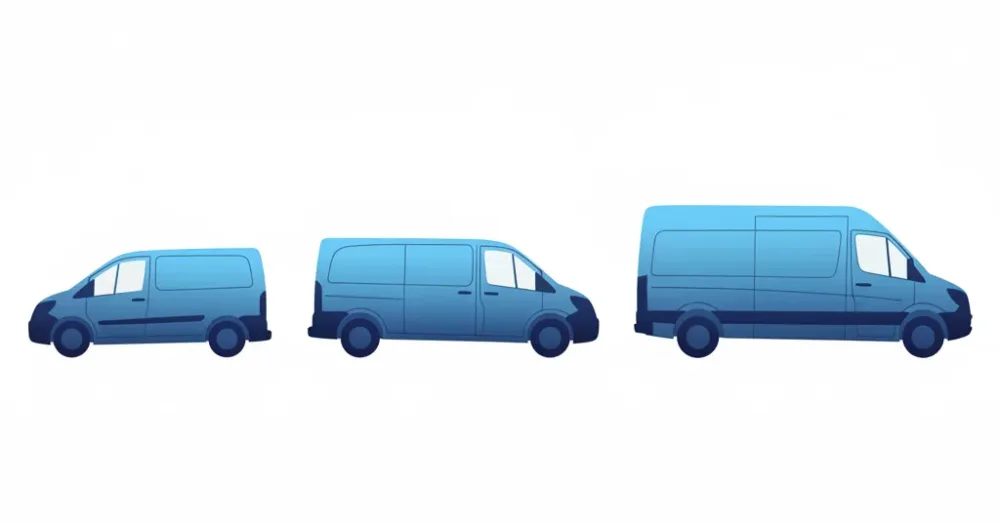
The Nissan Townstar serves as the entry-level solution, perfect for those who require agility in tight city environments. Moving up the size scale, the Nissan Primastar offers a perfect balance of cargo volume and drivability, making it a favorite for contractors and delivery firms alike. For those who require maximum space and heavy payload capacity, the Nissan Interstar represents the top of the range, offering tall roof options and extended wheelbases to accommodate large equipment or bulky goods. Each of these models can be customized with various bulkheads, racking systems, and internal configurations through authorized channels, ensuring that your leased van arrives ready for work from day one.
Sizes, body types and payload
Understanding the distinction between dimensions and payload is critical when exploring Nissan van leasing. The physical size of the van determines whether it will fit into your parking facilities or access height-restricted areas, while the payload capacity defines how much weight you can legally carry. Nissan categorizes their vans by these attributes, and it is imperative that you calculate your maximum load requirements before signing a contract. Exceeding a vehicle’s payload capacity is not only dangerous but can also lead to legal issues and potential voiding of insurance policies or manufacturer warranties.
Matching the van to the job
When selecting your van, distinguish between 'L' (length) and 'H' (height) variants. An L1H1 van is the shortest and lowest version, whereas an L3H2 provides significantly more vertical space for standing or taller items. Payload is equally important, particularly for those carrying heavy tools or raw materials. You must factor in the weight of any fitted racking or refrigerated units, as these subtract from your total payload capacity. It is always wise to choose a van with a slightly higher capacity than you currently need to accommodate future growth or occasional larger jobs. Consulting with your dealer about the specific weight capacities of your chosen trim ensures you remain compliant with transport regulations at all times.
Engines, fuel types and electric options
Nissan has been a pioneer in electrification, and their current range reflects a shift toward greener logistics. You can lease vehicles with traditional diesel engines, which remain popular for long-distance motorway driving due to their high torque and efficiency, or opt for fully electric versions of the Townstar and Interstar. The choice depends entirely on your specific drive cycles. If you operate primarily within low-emission zones or in city centers, an electric van can significantly reduce your running costs and ensure that your business remains compliant with modern environmental standards and local city regulations.
The move to electric mobility
Electric van leasing is gaining momentum across the UK. These vehicles offer a smooth driving experience with instant torque, which is particularly beneficial in start-stop traffic. Furthermore, the operational cost per mile for an electric van is generally lower than that of an equivalent diesel model, provided you have access to convenient charging infrastructure. When considering electric options, evaluate your typical daily mileage against the official range of the vehicle. While modern Nissan electric vans offer impressive real-world range figures, you must plan your charging intervals to suit your workload. For fleets, installing workplace charging units can turn your van storage area into an efficient hub, ensuring your vans are fully charged at the start of every shift.
Trim levels and what the options add
Nissan trim levels are structured to provide a ladder of features that cater to both budget-conscious operators and those who desire a premium office-on-wheels experience. Entry-level trims usually focus on the essentials: durability, air conditioning, and basic connectivity. As you move up to mid-range and high-end trims, you gain access to enhanced safety suites, better infotainment systems, more comfortable seating, and aesthetically pleasing exterior upgrades. These features are not just about luxury; they often enhance the overall driver experience, which contributes to lower fatigue and higher levels of concentration during long working days.
Customizing your comfort
Key upgrades often included in higher trims involve advanced navigation systems with smartphone integration, which are essential for delivery drivers navigating complex routes. Safety features such as lane-departure warnings, blind-spot monitoring, and parking sensors are also common in higher specifications. These systems can help prevent minor bumps and scrapes, which helps keep your vehicle in a good condition to avoid excess wear and tear charges at the end of the lease. When selecting your trim, think about the time you spend in the cab. If you are behind the wheel for several hours a day, investing in a higher trim level with an ergonomic seat and a more sophisticated media interface can make a world of difference in your daily quality of life.

Monthly rental, initial rental and mileage
The structure of a lease agreement involves three primary financial components: the initial rental, the monthly rental, and the agreed mileage. The initial rental, sometimes known as the deposit, is paid at the start of the contract. A higher initial rental generally results in lower monthly payments throughout the term. The monthly rental itself is a fixed sum that covers the usage of the vehicle. Finally, the mileage allowance is a core part of your contract. It is crucial to estimate your annual mileage accurately, as exceeding this limit will result in an excess mileage charge at the end of the term, calculated on a pence-per-mile basis.
Balancing the costs
When setting up your lease, you should look at the total cost of the contract rather than focusing only on the monthly figure. Aim to align your initial rental with your current cash flow. If you prefer to keep cash in your business, a lower initial rental structure might be preferable, even though it will increase your monthly commitment. Be honest about your expected usage. If you anticipate your business growing or your territory expanding, opt for a higher annual mileage allowance from the outset. This protects you from the potentially higher cost of excess mileage charges at the end of the contract, providing greater peace of mind and more predictable budgeting over the lifetime of the vehicle.

Choosing a contract length and annual mileage
Selecting the right contract length is a strategic decision that affects your fleet rotation cycle. Most lease agreements range from two to five years. A shorter contract means you benefit from driving newer vehicles more often, usually while they are still covered by the manufacturer's standard warranty. A longer contract can lead to lower monthly payments, but you may need to consider maintenance costs as the vehicle ages. Your contract length should be synchronized with how long you intend to keep a vehicle before replacing it, ensuring you remain in the most efficient and technologically up-to-date van possible.
Defining your operational lifespan
Regarding annual mileage, consider your current usage patterns and any expected changes in your business requirements. If you operate a local courier business, you might easily stay under the 10,000-mile mark, whereas regional haulage may push you over 20,000 miles per year. Ensure you communicate your needs clearly so the contract is structured correctly. If your business requirements change mid-contract—for instance, if you land a contract that requires much more travel—get in touch with your provider to discuss potential adjustments. Being proactive about your mileage usage prevents end-of-contract surprises and ensures that your financial planning remains accurate and effective throughout the entire term.
What is included and what you still pay for
A Nissan van lease generally includes the use of the vehicle and the manufacturer's warranty, but it does not automatically cover all running costs. Crucially, the lease does not cover insurance, fuel, or daily consumables such as windscreen wash. While some agreements can be bundled with a comprehensive maintenance package—which covers routine servicing, tire replacements, and MOTs—you should clarify exactly what is included in your specific contract. Understanding these divisions is essential for avoiding gaps in your service coverage that could lead to unexpected vehicle downtime or unbudgeted costs.
Managing your responsibilities
As the lessee, you are responsible for maintaining the vehicle in a roadworthy condition. This includes regular cleaning, keeping the tyres at the correct pressure, and ensuring that any warning lights are addressed promptly. If you do not include a maintenance package, you will need to manage the service schedule yourself at an authorized dealership to ensure the warranty remains valid. Remember that even with a lease, you are treated as the registered keeper of the vehicle, meaning you are responsible for road tax and any traffic or parking fines incurred during the term. Keeping a detailed logbook of maintenance and repairs is a professional habit that will make the end-of-lease process much smoother.
Running costs and handing the van back
Effective fleet management involves tracking the ongoing running costs of your leased van, including insurance, servicing, and fuel. Over the course of the lease, these costs will be relatively predictable, allowing you to manage your cash flow effectively. Toward the end of the contract, you will need to prepare for the vehicle return process. This is the stage where the condition of the van is inspected against the fair wear and tear guidelines. Understanding these guidelines well in advance will help you maintain the vehicle properly and avoid unnecessary charges during the final inspection.
The end of lease process
When the return date approaches, give your van a thorough clean inside and out. Remove any aftermarket signs or branding that you added to the vehicle. Address any minor dents, scratches, or interior stains that fall outside of the acceptable wear and tear standards. Using a reputable garage to perform these minor repairs before the return can often be more cost-effective than having the leasing company perform them after the vehicle is collected. Once you have handed the vehicle back, the lease concludes, and you are free to begin the process again with a new, updated Nissan model, keeping your business at the forefront of efficiency and reliability.
FAQs
What should I look for when starting a Nissan van lease? You should assess your specific payload and cargo requirements, calculate your estimated annual mileage, and decide whether a maintenance package would benefit your cash flow. Ensuring the van is suitable for your daily route, whether it is urban or motorway based, is the most important first step.
Are electric Nissan vans suitable for all businesses? Electric vans are excellent for urban operations and short-to-medium distance delivery routes. Before choosing one, check the real-world range to ensure it covers your daily requirements and confirm that your depot or base has access to reliable charging facilities.
What happens if I exceed my agreed annual mileage? If you exceed the mileage limit specified in your contract, you will typically be charged an excess mileage fee, which is calculated as a pence-per-mile rate. It is always more cost-effective to estimate your mileage accurately at the start of your agreement rather than paying for excess miles at the end.
Is insurance included in a Nissan van lease? No, insurance is not included as part of a standard van lease. You are responsible for arranging comprehensive insurance coverage for the vehicle from the day it is delivered until the day it is collected at the end of the contract.
contracthire.tv is a trading name of Swiss Vans Ltd, authorised and regulated by the Financial Conduct Authority (FRN 668283) as a credit broker, not a lender.