Peugeot Boxer Van Leasing Guide
Who the Peugeot Boxer suits
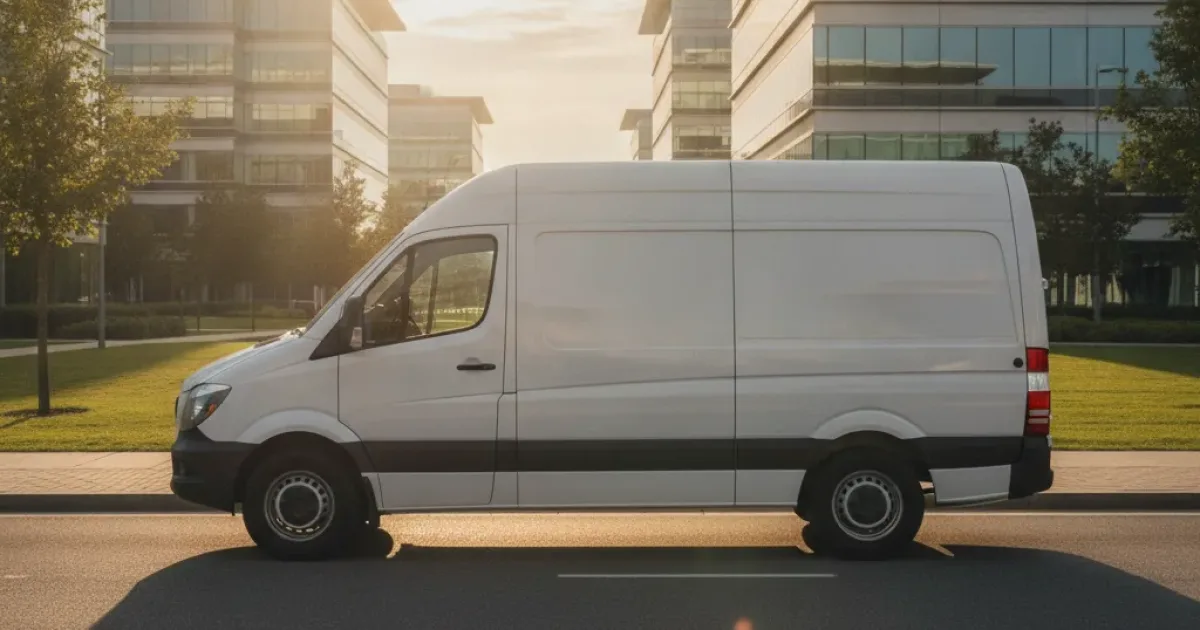
Leasing a Peugeot Boxer is ideal for businesses that require a high-capacity, dependable workhorse capable of handling heavy-duty logistics, construction projects, or large-scale multi-drop deliveries. This Peugeot Boxer van leasing guide aims to provide clarity on whether this vehicle fits your operational needs. The Boxer serves those who prioritise cargo volume, robust engine performance, and a flexible chassis.
Designed for heavy enterprise
The Peugeot Boxer is engineered for professionals who spend their entire working day behind the wheel. Because it is a large-format vehicle, it is best suited for fleet managers or sole traders who operate on a scale that demands significant load volume. If your daily workflow involves transporting bulky materials, pallets, or large quantities of tools, this van provides the structural integrity and ease of access required to maintain high levels of productivity. Its design focuses on cargo efficiency, providing wide rear door openings and a low floor height, which significantly reduces the physical strain on operators when loading and unloading equipment.
Reliability for daily operations
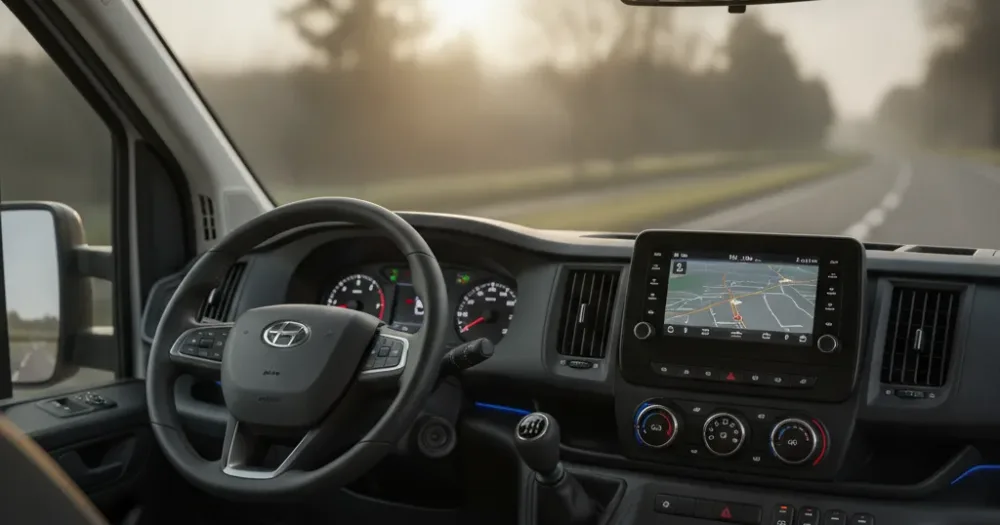
For businesses that cannot afford downtime, the Boxer offers a proven track record. Many operators choose this model because of its reputation for durability in challenging environments. Whether you are navigating tight urban environments or covering long distances on motorways, the vehicle provides a stable and predictable platform. Furthermore, the modern cabin environment is crafted with connectivity and comfort in mind, ensuring that drivers remain focused and refreshed during long shifts. By opting for a lease, you gain access to the latest model, ensuring that you benefit from current safety features and technological advancements without the long-term commitment of outright ownership. It is an excellent choice for businesses looking to project a professional image while managing their capital expenditure efficiently.
Sizes, body types and payload
When investigating a Peugeot Boxer van leasing guide, understanding the modularity of the vehicle is essential, as the Boxer is available in a variety of configurations. You must match the physical dimensions to the specific nature of your business requirements, as there is no universal size.
Mapping load space to your cargo
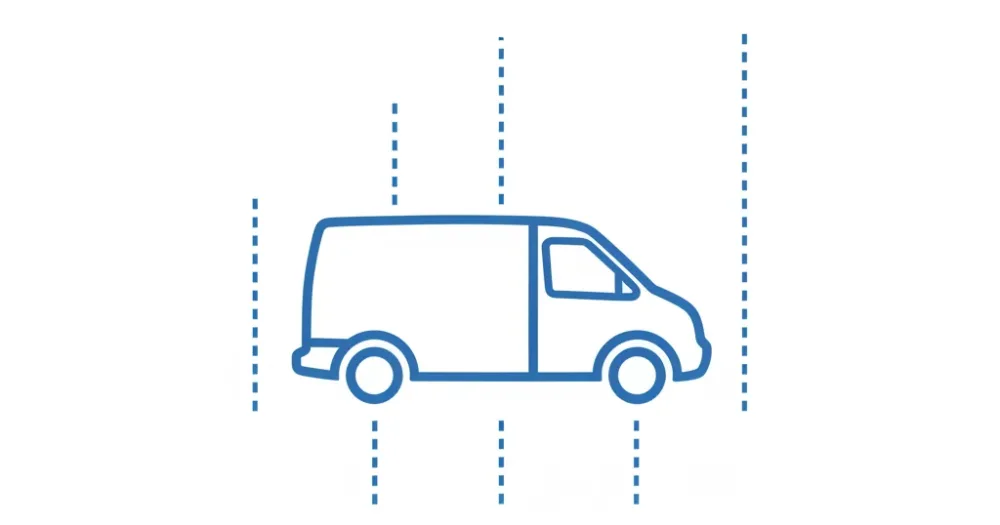
The Peugeot Boxer is offered in four main lengths and three roof heights, creating a vast array of volume options ranging from approximately 10 to 17 cubic metres. If your primary task is the delivery of tall or bulky items, a high-roof version is a prerequisite, allowing for standing room inside the load area. Conversely, if you frequently access underground loading bays or multi-storey car parks, a medium or standard height might be necessary to avoid height restrictions. The floor length is equally critical, with capacities stretching from roughly 3.1 to 4.1 metres. You should map your longest common cargo items to the load length specifications of each model before finalising your order.
Payload capacity and technical considerations
Payload is perhaps the most critical technical factor when selecting your van. It is vital to note that as you add features, air conditioning, or bulkhead protection, the available payload capacity decreases. You must calculate the weight of your expected load, including the driver, passengers, and any internal racking or specialised storage systems. Always review the plated payload figures for your specific configuration, rather than relying on maximum potential marketing numbers, which often apply to the most stripped-back base models. Careful calculation prevents overloading, which is not only dangerous but also leads to excessive wear on the suspension and braking systems. Choosing the correct Gross Vehicle Weight (GVW) rating ensures that the vehicle remains compliant with UK road legislation while meeting the demands of your heavy-duty operational schedule.
Engines, fuel types and electric options
The powertrain selection for your lease should be driven by your operating territory, daily mileage, and access to charging infrastructure. The Peugeot Boxer is currently available with advanced diesel technology or as a fully electric vehicle, giving you the flexibility to choose the best fit for your specific business requirements.
The diesel performance profile
The diesel range for the Boxer generally features 2.2-litre BlueHDi engines, which provide the high torque required for shifting heavy loads efficiently. These engines are designed to be responsive in stop-start traffic while maintaining stability during sustained highway cruising. For businesses covering high annual mileages, particularly those operating in regions with limited public charging infrastructure, the diesel engines offer the convenience of quick refuelling and extensive range. They are engineered to meet strict emissions standards, which is a vital consideration for modern business operations. When selecting your engine, consider the total weight you intend to carry, as the higher horsepower options provide smoother acceleration and better performance when the van is fully laden.
Transitioning to the E-Boxer
For companies operating in urban centres, the E-Boxer electric variant represents a significant shift in logistics management. With a substantial 110 kWh battery, this vehicle is capable of achieving a WLTP-rated range that supports a full day of inner-city work. It is particularly suitable for businesses looking to lower their environmental impact or comply with the increasingly common Zero Emission Zones in UK cities. Charging your vehicle overnight at your depot is the most efficient way to maintain a full range for the following day, making it an excellent investment for predictable, local routes. While the initial planning for charging infrastructure is more involved than diesel, the long-term benefit of reduced fuel costs and improved access to urban areas makes the electric Boxer an increasingly popular choice among our lease customers.
Trim levels and what the options add
Peugeot typically structures the Boxer trim levels to balance commercial utility with driver comfort, allowing you to tailor the van's interior and technology to suit your daily tasks. Selecting the right trim is not just about aesthetics; it is about optimising the environment for those using the vehicle every day.
Essential interior features
The entry-level trims are focused on durability and function, providing the core equipment needed to get the job done. These include hard-wearing seat materials, robust dashboard plastics, and essential safety technology that is standard across the range. Even at this level, the focus is on providing a safe and practical space. As you move up through the trim levels, you will find additions such as enhanced infotainment systems with smartphone connectivity, which is vital for drivers who need to use mapping software or communicate with dispatch centres in real-time. These systems often include larger touchscreens and improved audio integration, making the cabin a more pleasant place for long periods of operation.
Comfort and assistance additions
Higher trims often introduce features that reduce driver fatigue, such as adjustable seating with lumbar support and automatic climate control. Parking sensors and reversing cameras, frequently included in premium trims, are indispensable when operating a large vehicle in restricted spaces. These options not only improve safety by reducing the risk of minor bumps but also save time during each drop-off or pickup. Some trims also offer advanced driver assistance systems, such as lane-keeping warnings or automatic braking, which provide an extra layer of security. We always recommend reviewing the specific equipment list for the vehicle you are considering, as adding these features can significantly influence the daily experience of your staff and improve the overall efficiency of your operations.
Monthly rental, initial rental and mileage
Leasing a Peugeot Boxer involves three primary financial variables that you can manipulate to suit your cash flow: the initial rental, the monthly rental, and your agreed annual mileage allowance. Managing these effectively is key to a successful leasing strategy.
Understanding the initial rental
The initial rental is an upfront payment made at the start of your contract. While it is often referred to as a deposit, it functions differently in a lease agreement, as it is a rental payment that serves to reduce the subsequent monthly costs. You have the flexibility to choose the size of this initial rental; a larger amount paid upfront will result in lower monthly payments throughout the contract term. Businesses with healthy cash flow often choose to pay a higher initial rental to manage their monthly overheads, whereas other companies prefer to keep their capital liquid by opting for a lower initial payment and a higher monthly rental. There is no right or wrong approach, as it depends entirely on your company's financial planning.
Balancing monthly rentals
The monthly rental is a fixed, predictable cost, which is one of the primary advantages of leasing a van for your business. Because these payments remain consistent, you can forecast your logistics budget with high precision, removing the uncertainty associated with fluctuating interest rates or balloon payments. When setting your monthly budget, ensure that you include all costs associated with the vehicle, such as insurance, and plan for potential contingencies. If you find that the monthly payment for a specific model is slightly outside your comfort zone, you can often adjust the term length or the annual mileage allowance to bring the figure back into line with your internal targets. Always speak with your account manager to discuss how different deposit structures impact your monthly commitment.
Choosing a contract length and annual mileage
Your contract structure should align with the life cycle of your business operations. Choosing the correct term and mileage is a critical decision that influences both your financial commitment and the return of the vehicle.
Determining the contract term
Most lease contracts run for a period between two and five years. The choice of term length depends on how frequently you wish to refresh your fleet. A shorter term, such as two or three years, ensures that your drivers are always operating the newest, most efficient vehicles with the latest safety features. This is often the preferred route for companies that want to minimise the likelihood of out-of-warranty maintenance or unexpected technical issues. A longer term, conversely, can lower your monthly payments, making it a sensible choice if your primary goal is to minimise monthly overheads. Consider the projected usage of the van and whether you anticipate your requirements changing significantly in the coming years before locking in a longer contract.
Setting your annual mileage
Mileage estimation is one of the most important aspects of your lease. You must provide an accurate estimate of how many miles your driver will cover each year. Setting this figure too low might lead to excess mileage charges when the van is returned, while setting it too high means you are paying for capacity that you aren't using. Review your previous vehicle records to get a realistic idea of your annual coverage. If your business operations expand or your delivery routes change mid-contract, it is often possible to discuss a mileage adjustment with the finance provider, but it is always better to start with an accurate assessment. An honest evaluation prevents surprise costs at the end of the term and helps you keep your fleet running within your established budget.
What is included and what you still pay for
When you lease a Peugeot Boxer, you gain the use of the vehicle for an agreed period, but it is important to be clear about which responsibilities remain with your business and which are covered by the agreement.
Included benefits of leasing
The primary benefit of a lease is that you are paying for the depreciation of the vehicle rather than its total value. Most leasing agreements for a brand-new Peugeot Boxer will include the manufacturer's warranty, which covers significant mechanical failures for a set period or mileage. Road tax is also typically included for the duration of the contract, simplifying your administration tasks. Some of our packages offer optional maintenance plans, which can be bundled into your monthly cost to cover items like routine servicing, tyre replacement, and general wear and tear. This is a highly effective way to turn variable costs into a predictable, fixed expense, allowing you to manage your fleet's maintenance budget without the risk of an unexpected large invoice.
Your operational responsibilities
Despite the comprehensive nature of a lease, your business remains responsible for the day-to-day operation and care of the vehicle. This includes the cost of fuel, insurance, and any fines or penalties incurred while the vehicle is in your possession. You are also required to ensure the van is maintained according to the manufacturer’s schedule; failing to do so may invalidate your warranty or lead to penalty charges at the end of the contract. Additionally, if you have not included a maintenance package, you will be responsible for sourcing and paying for all servicing, repairs, and tyres. Keeping accurate service records is mandatory. Treat the vehicle as if it were your own to ensure it remains in good condition, which is a requirement for avoiding damage charges upon return.
Running costs to plan for
Beyond the monthly lease rental, you must account for the secondary costs associated with running a large commercial vehicle. Failing to budget for these can lead to significant disruptions in your business cash flow.
Fuel and insurance considerations
Fuel is consistently one of the largest ongoing expenses for any fleet. Whether you are running the efficient diesel 2.2-litre BlueHDi or the electric E-Boxer, you must calculate your projected consumption based on real-world usage patterns, including heavy loads, high speeds, and urban stop-start traffic. Electric van users should also factor in the cost of installing and powering home or depot charging points. Insurance is another major expense. As the Boxer is a large commercial van, ensure your insurance policy covers your specific industry, the value of the goods being carried, and any business use requirements. Premium costs can vary based on the driver's history and the van's storage location overnight, so obtain quotes early in your planning process.
Maintenance and miscellaneous expenses
Even if you choose a maintenance-inclusive contract, there are still miscellaneous costs to consider, such as cleaning, ad-blue for diesel engines, and the cost of maintaining auxiliary equipment like hydraulic tail lifts or security locks. Furthermore, if you plan to install specialist racking or custom graphics, these must be approved by the finance company beforehand, and you should consider the costs of both installation and the eventual removal at the end of the contract. Maintaining a small contingency fund for unforeseen events—such as damage caused by a third party or minor repair work not covered by warranty—is a prudent strategy for any business fleet manager. By accounting for these variables, you ensure the lease remains a sustainable financial decision for your company.
Handing the Peugeot Boxer back at the end of the lease
The return process is the final stage of your leasing agreement. Preparing for this stage throughout the contract term is the best way to ensure the transition is smooth and free from unexpected costs.
The importance of fair wear and tear
At the end of your contract, the Peugeot Boxer will be inspected by an independent agent. They will assess the vehicle against the standards of "fair wear and tear," which acknowledges that a van used for work will show some signs of use. However, damage that goes beyond this standard—such as deep scratches, significant dents in the load area, or torn upholstery—will incur charges. The best approach is to keep the van clean and address any minor scuffs or mechanical issues as they happen throughout the contract. If your business operations result in heavy use of the load area, consider installing protective floor and wall linings at the start of your lease to preserve the condition of the panels and floor, which helps significantly during the final inspection.
Preparation steps for return
Begin your preparations a few months before the contract end date. Give the van a deep clean, inside and out, so that the inspector can easily see the condition of the bodywork. Ensure all maintenance records are complete and that you have all sets of keys, the service book, and any manuals that were provided. If you have had any non-standard modifications installed, you must remove them and return the vehicle to its original factory specification. We recommend conducting your own pre-inspection a few weeks before the scheduled return, taking photos of the vehicle from all angles. If you identify any issues, it is often cheaper to have them repaired by a professional garage you trust before the return date, rather than accepting the potentially higher costs charged by the leasing company for damage rectification.

FAQs
What should I look for in a Peugeot Boxer lease? You should prioritise finding the right size configuration for your cargo, confirming that the payload capacity is sufficient for your daily operations, and ensuring the annual mileage limit aligns with your business needs.
Is an electric E-Boxer better than the diesel version for my business? The electric E-Boxer is typically better for urban businesses with predictable, shorter routes and access to depot charging. The diesel BlueHDi models remain the standard for high-mileage users and those who need long-distance flexibility.
Can I modify my leased Peugeot Boxer? Generally, you must request permission from the leasing company before making any modifications. Some non-permanent additions may be allowed, but all changes must typically be returned to factory specification before the end of the contract.
What happens if I go over my mileage limit? If you exceed your agreed annual mileage, you will be charged an excess mileage fee, which is calculated on a per-mile basis as outlined in your original contract. It is always better to adjust your contract if you realise you are driving more than expected.
contracthire.tv is a trading name of Swiss Vans Ltd, authorised and regulated by the Financial Conduct Authority (FRN 668283) as a credit broker, not a lender.