Peugeot Expert Van Leasing Guide
Peugeot Expert Van Leasing Guide
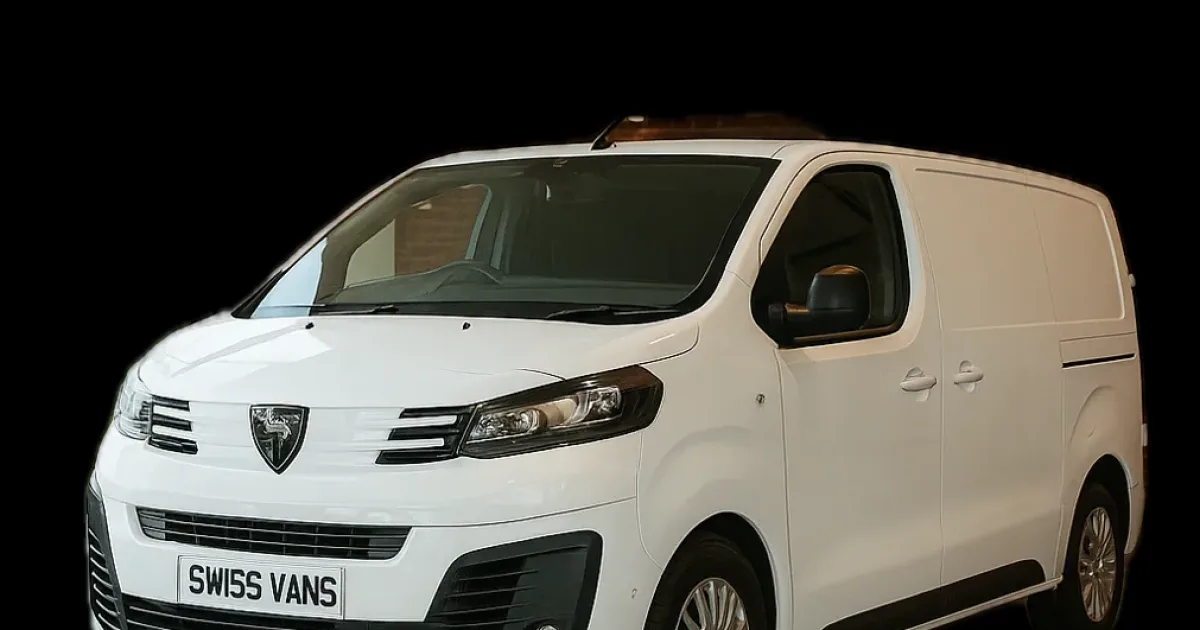
Leasing a Peugeot Expert provides your business with a versatile medium-sized panel van that balances load capacity with car-like driving dynamics, making it an ideal choice for urban deliveries and long-distance haulage. Understanding this Peugeot Expert van leasing guide will help you select the right configuration to suit your operational requirements while managing your budget effectively over the contract term.
Who the Peugeot Expert suits
The Peugeot Expert is meticulously designed to suit a wide range of professional users, from sole traders in the skilled trades to fleet managers overseeing multi-drop delivery networks. Its appeal lies in its "Goldilocks" positioning within the Peugeot van lineup, occupying the crucial space between the compact Partner and the massive Boxer. This makes it an incredibly popular choice for those who need a van that is large enough to handle significant loads but compact enough to navigate narrow residential streets and fit into standard car park spaces.
Versatility for various sectors
For electricians, plumbers, and carpenters, the Expert offers excellent racking potential and side-loading door accessibility. For couriers, the driving position and cabin comfort are standout features that reduce fatigue during long shifts. Because it feels so similar to a passenger car to drive, it is also frequently chosen by businesses that have staff members who may not be accustomed to driving heavy commercial vehicles. The modular nature of the cargo area, combined with options like the Moduwork load-through bulkhead, means you can extend the load length to accommodate pipes or timber, adding a layer of flexibility that many competitors struggle to match. Whether you operate in the heart of a city or cover vast rural territories, the Expert provides a stable, reliable, and professional platform for your business operations.
Sizes, body types and payload
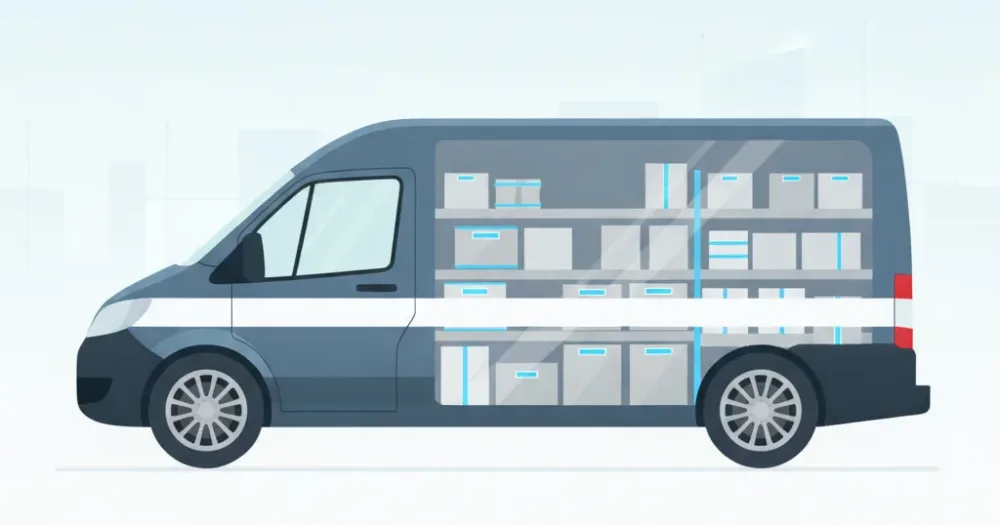
Selecting the right dimensions for your Expert is critical to ensuring your van works as hard as you do. The vehicle is available in two primary lengths: the M (Medium) and the XL (Extra Long). The M version is generally preferred for its manoeuvrability, while the XL offers that extra footprint for those carrying bulkier or longer cargo. It is vital to check the load volume against your typical cargo, as the Expert can manage up to 6.6 cubic metres in its most spacious configurations. Payload is another major consideration; diesel versions are highly capable, with some specifications allowing for a maximum payload exceeding 1,300kg, though you must remember that heavy racking, accessories, and even passengers will subtract from this total weight limit.
Loading and accessibility
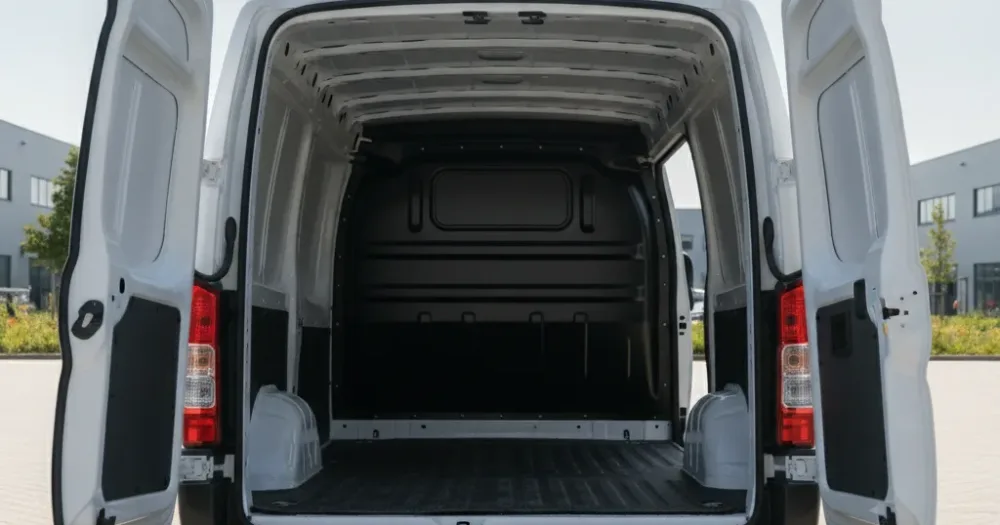
Beyond raw capacity, consider how you intend to access your cargo. The Expert features wide-opening twin rear doors that make loading via forklift or pallet truck straightforward. The side sliding doors are also a hallmark of this model, offering efficient access when parked on busy kerbsides. When deciding on your lease, look at the internal dimensions between the wheel arches to ensure your standard pallet sizes or heavy equipment fit securely. If you are converting the van into a mobile workshop or a welfare vehicle, ensure you account for the weight of those conversions before finalizing your payload requirements, as exceeding the maximum authorised mass can lead to safety and legal issues on the road.
Engines, fuel types and electric options
Peugeot offers a comprehensive powertrain range to cater to modern business needs, spanning efficient diesel engines and the fully electric E-Expert. Diesel models provide the traditional torque and endurance that long-distance hauliers rely on, often featuring a choice of manual or automatic transmissions to suit driver preference. These engines are designed to be robust and fuel-efficient, offering the high-mileage capabilities required for motorway-heavy working cycles.
Transitioning to electric
The E-Expert is an increasingly common choice for businesses facing Low Emission Zones or those aiming to improve their environmental credentials. Equipped with a high-capacity battery, it offers a competitive range on the WLTP cycle. However, when evaluating the electric model, you must consider your real-world use case. Range figures can fluctuate based on the weight of your payload, the ambient temperature, and your driving style. Before leasing, assess your depot or home-charging infrastructure. If your business involves heavy, constant daily mileage across regions with limited public rapid-charging infrastructure, a diesel model may still provide more operational peace of mind. Conversely, for urban-centric delivery work with accessible charging, the E-Expert offers a smooth, quiet, and highly economical alternative that bypasses many of the congestion charges that plague combustion-engine vehicles.
Trim levels and what the options add
Peugeot structures its trim levels to provide a clear progression of equipment, from utilitarian workhorses to highly specified mobile offices. Entry-level trims are focused on durability and essential functionality, often including features like Bluetooth connectivity, central locking, and heavy-duty floor coverings. As you move up the trim range, you gain access to more advanced comfort and technology upgrades that can significantly enhance the daily experience for your drivers.
Tech and comfort enhancements
Mid-to-high level trims frequently add useful tech such as touchscreen infotainment systems, integrated satellite navigation, and advanced smartphone connectivity. Safety technology also improves with higher trims, often adding features like parking sensors, rear-view cameras, and driver assistance systems that help with lane-keeping and emergency braking. When you are putting together your lease deal, think about the value these features bring to your business. For instance, integrated sat-nav can save hours of time for delivery drivers, while parking aids can prevent costly bodywork damage. While higher trims increase the monthly rental, the residual value or efficiency gains they offer can often balance out the investment, making the van a better place to spend a working day.
Monthly rental, initial rental and mileage
The structure of your lease agreement is built upon three pillars: the initial rental, the monthly rental, and the total mileage allowance. The initial rental is a lump sum paid at the start of the agreement, and it acts as a form of capitalised deposit. A higher initial rental will naturally reduce the subsequent monthly payments. It is important to approach this based on your current cash flow requirements rather than aiming for the lowest possible upfront cost.
Balancing the structure
The monthly rental is the core of your commitment, reflecting the anticipated depreciation of the van over the term. When you receive a quotation, always verify that the term length and mileage allowance are aligned with your actual business needs. If you agree to a low mileage limit but find your business growing rapidly, you may face excess mileage charges at the end of the contract. Conversely, paying for an excessively high mileage allowance that you do not use is inefficient capital management. Speak with your account manager to tailor these variables so that they represent a realistic forecast of how the van will be used. Transparency in these early stages prevents surprises when your contract reaches its conclusion.

Choosing a contract length and annual mileage
Selecting the right contract duration for a Peugeot Expert typically involves choosing between two to four years. Shorter contracts are excellent if you want to swap into the latest model frequently, ensuring your fleet remains modern and under warranty for its entire service life. Longer contracts generally offer lower monthly rentals but commit you to the same vehicle for a longer period, meaning you should be confident that your business requirements will remain stable throughout the entire duration.
Calculating annual mileage accurately
Mileage is perhaps the most critical factor to get right. Do not guess your annual distance; look at your fuel records or your current van’s odometer readings from the past two years. If you are unsure, it is usually safer to overestimate slightly to avoid the penalty rates associated with exceeding your allowance. Remember that leasing contracts include an excess mileage clause, which is a per-mile fee applied if you go over your limit. While these fees are standard practice, they can add up quickly if your business geography shifts. If you find your operational range expanding, contact your provider mid-contract to discuss a potential adjustment rather than waiting until the end of the term to resolve a large deficit.
What is included and what you still pay for
When you lease a Peugeot Expert, the monthly payment covers the use of the vehicle for the duration of the contract, but it is essential to distinguish between what is "in" the agreement and what is your responsibility as the operator. Your lease payments primarily cover the depreciation of the van. The van will come with the manufacturer’s warranty, which is a massive benefit for peace of mind, as it covers most mechanical failures and defects during the initial years of ownership.
Operational responsibilities
What you pay for separately includes comprehensive motor insurance, fuel, AdBlue (for diesel models), and routine maintenance such as tyres, screen wash, and wiper blades. If you opt for a "maintained" contract, the monthly cost may also cover scheduled servicing and certain wear-and-tear items, though this varies by provider. Always read your specific terms carefully. You are also responsible for all road tax (VED) for the duration of the contract, though this is often included in the rental depending on the specific finance package chosen. Understanding these ongoing costs is vital for your P&L, as these variable expenses must be accounted for alongside your fixed monthly rental payments.
Running costs to plan for
Beyond the lease rental itself, you must maintain a realistic budget for the operational running costs of the Peugeot Expert. Fuel or electricity remains your most significant ongoing variable cost. For diesel users, keeping an eye on market trends is necessary, while electric van operators need to factor in both the cost of home/depot charging and the potential for public rapid-charging fees when away from base.
Hidden maintenance and tax factors
Tyres are often the most overlooked cost for van operators. Because the Expert is designed to carry substantial loads, your tyre wear will be higher than that of a private passenger car, especially if you frequently operate near your maximum payload capacity. Ensure you factor in the cost of a full set of premium commercial tyres at least once or twice during the term. Additionally, remember to budget for your annual MOT once the van reaches three years old. While a new lease van won't need an MOT immediately, your contract might exceed three years, in which case you are responsible for ensuring the vehicle remains road-legal and passes inspection. Proactive planning for these costs ensures that your cash flow remains stable and your fleet avoids costly downtime due to neglected maintenance or unexpected service bills.
Handing the Peugeot Expert back at the end of the lease
The end-of-contract return process is a standard procedure that requires preparation to ensure a smooth transition. When the lease period concludes, you will return the vehicle, and it will be inspected for damage that exceeds "fair wear and tear." This industry-standard guide defines what is acceptable for a commercial vehicle of a certain age and mileage, accounting for minor stone chips and light scuffs that are inevitable during a working life.
Preparation for return
To avoid unexpected charges, aim to return the van in the best possible condition. This means cleaning it thoroughly, both inside and out, so the inspector can clearly see the condition of the paintwork and the load bay. Keep all service records in the vehicle, as a full service history is often a requirement of the agreement. Replace any broken lights, missing trim, or damaged mirrors before the handover. If you have any significant dents or deep scratches, it is often more cost-effective to repair these through your own preferred local specialist rather than waiting for the lease company to bill you for the repair at the end of the term. By handling the vehicle with care throughout the lease and keeping up with maintenance, you make the return process simple and predictable, allowing you to move seamlessly into your next vehicle without stress or unexpected financial impact.
FAQs
What is the primary benefit of leasing a Peugeot Expert? Leasing allows you to access a modern, reliable, and professional-looking vehicle with predictable monthly costs, avoiding the large capital outlay of purchasing outright and allowing you to upgrade to the latest model once the contract concludes.
Does the Peugeot Expert come with a choice of electric powertrains? Yes, the E-Expert is available as a fully electric option, which is ideal for businesses operating in urban environments or low-emission zones, provided that you have a viable plan for charging the vehicle during your daily operations.
What happens if I exceed my annual mileage limit? If you exceed your agreed annual mileage, you will typically be charged an excess mileage fee for every mile driven over the limit, as specified in your contract terms. It is best to monitor your mileage throughout the term and discuss potential adjustments with your provider if your business needs change.
Am I responsible for maintenance on a leased Peugeot Expert? Generally, you are responsible for the ongoing maintenance of the van, including tyres, routine servicing, and road legal requirements, unless you have specifically opted for a maintained leasing contract which includes these elements in your monthly payment.
What is meant by 'fair wear and tear' upon returning the van? Fair wear and tear refers to the acceptable level of deterioration a vehicle undergoes during normal day-to-day use over the course of a lease. It includes minor aesthetic marks, but does not cover significant dents, deep scratches, interior damage, or mechanical issues caused by neglect.
contracthire.tv is a trading name of Swiss Vans Ltd, authorised and regulated by the Financial Conduct Authority (FRN 668283) as a credit broker, not a lender.