Renault Car Leasing: A Complete Guide
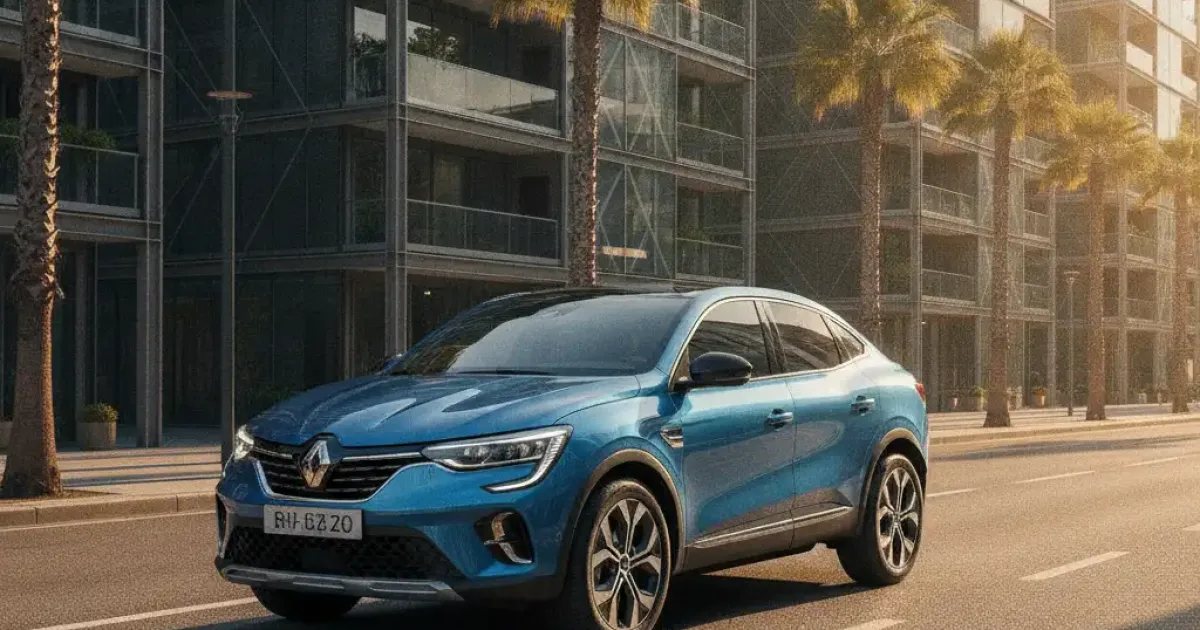
Renault Car Leasing: A Complete Guide
Leasing a Renault provides you with access to modern, stylish, and efficient vehicles through manageable rental payments rather than full ownership. Understanding the contract structure, mileage limits, and maintenance responsibilities is essential before you commit to a Renault car leasing agreement for your personal or professional use.
Why lease a Renault
Leasing a Renault is a popular choice for drivers who value innovation, French flair, and the convenience of driving a brand-new vehicle every few years. Renault has spent decades refining its engineering to focus on safety, driver comfort, and fuel efficiency, making its lineup particularly appealing to those who commute long distances or manage busy family lives. When you choose to lease, you bypass the challenges of vehicle depreciation, which is often a significant concern for car owners who wish to resell their vehicle after three or four years.
The benefits of fixed-term driving
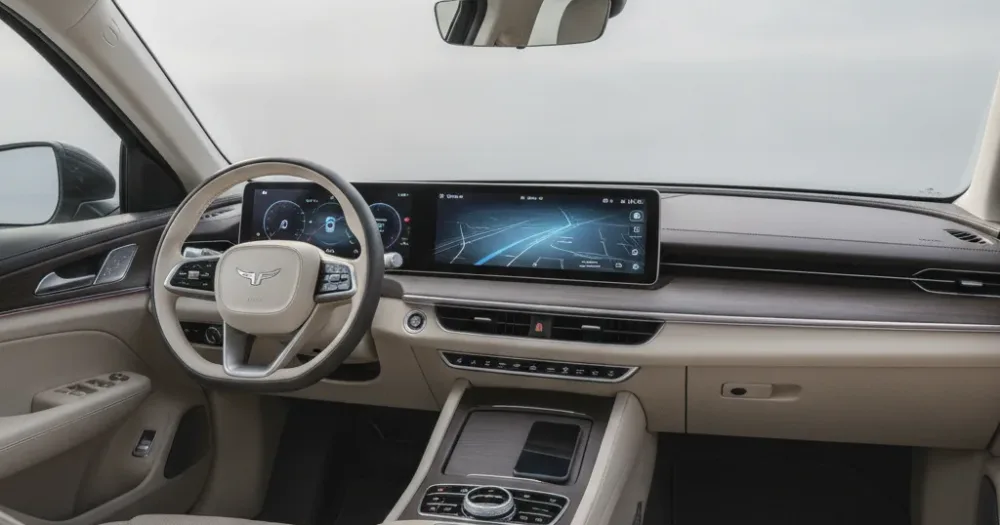
By opting for a lease, you gain the ability to refresh your car regularly, ensuring that you are always behind the wheel of a model equipped with the latest technology. From advanced infotainment systems compatible with your smartphone to the latest safety assistance features like automatic emergency braking and lane-keeping assist, new Renault models are at the forefront of automotive design. Furthermore, because a lease agreement is a fixed-term contract, you can budget with more certainty. You simply pay a recurring rental amount for the duration of the term, knowing exactly when the contract will end and when you will have the opportunity to move into your next, potentially more advanced, vehicle.
Efficiency and reliability
Renault’s commitment to engineering excellence means that even its entry-level models are built to high standards. Whether you are looking for a compact car for city navigation or a spacious SUV for holidays, the reliability of the brand provides peace of mind. Leasing allows you to enjoy this build quality without the long-term commitment of a traditional bank loan, providing a streamlined way to access premium automotive engineering on terms that suit your monthly cash flow.
Renault cars you can lease
The current Renault range offers a diverse selection of vehicles tailored to different lifestyles, from the iconic Clio to the versatile Captur and the family-focused Austral. Choosing the right vehicle begins with assessing your daily needs. The Clio remains a benchmark in the supermini segment, offering nimble handling and excellent efficiency, making it perfect for urban environments and motorway commuting alike. Its compact dimensions make parking in crowded streets simple, yet it does not compromise on interior comfort or storage space.
Compact and family SUVs
For those requiring more space, the Captur is a leading choice. As a compact SUV, it combines the benefits of a higher driving position with the practicality of a hatchback. It is a fantastic option for small families or individuals who need a bit more room for hobbies or grocery runs. If you need even more space, the Austral provides a sophisticated experience with high-end materials and advanced technology, suited for longer journeys where passenger comfort and luggage capacity are paramount. Each of these models can be tailored through various specifications, allowing you to prioritize the features that matter most to you, such as premium audio systems, leather upholstery, or advanced parking sensors.
Petrol, diesel, hybrid and electric options
Renault has invested heavily in powertrain diversity, offering various engine configurations to suit different driving profiles. Understanding how you use your car—whether for short city bursts or long-distance haulage—is the primary factor in selecting the right fuel type. Traditional petrol engines remain a strong choice for those who do limited mileage or prefer the simplicity and lower initial rental costs associated with internal combustion engines. They offer responsive power delivery and are well-suited for varied road conditions.
Embracing electrification
The shift towards hybrid and electric vehicles is a significant part of the current Renault lineup. E-Tech full hybrid models utilize clever technology to capture energy during braking and deceleration, which is then used to assist the petrol engine, significantly improving efficiency in stop-start traffic. These vehicles are ideal for drivers who want to reduce their environmental impact without the need to plug into an external power source. For those who can charge at home or work, Renault’s fully electric range offers a quiet, smooth, and highly efficient driving experience. With zero tailpipe emissions, these vehicles are often more cost-effective over long periods when electricity is managed correctly. You should carefully consider your typical range requirements and home charging capability before choosing an electric model, ensuring it aligns with your lifestyle and daily routine.
Trim levels and what the options add
Renault structures its model range using distinct trim levels, each designed to offer a different balance of equipment, comfort, and aesthetics. Standard trims typically include essential features such as air conditioning, touchscreen infotainment, and basic safety aids, providing a comfortable foundation for daily driving. As you move up the trim hierarchy, you will find additions such as larger alloy wheels, enhanced upholstery materials, upgraded lighting technology, and more comprehensive driver-assistance packages. These trim steps allow you to choose the level of luxury that fits your preferences.
Personalizing your drive
Beyond the trim levels, many Renault models offer optional packs that allow for further customization. These might include packages for winter comfort—such as heated seats and steering wheels—or technology packs that add premium sound systems and 360-degree cameras to make parking effortless. When selecting your lease, reviewing these options is crucial. While adding extras will increase your rental amount, they significantly enhance the daily ownership experience. It is worth evaluating which features you will use every day versus those that are just nice to have, ensuring your monthly rental remains in line with your budget while still providing the functionality you require.
Monthly rental, initial rental and mileage
The financial structure of a lease agreement is built upon three core pillars: the initial rental, the monthly rental, and your agreed mileage limit. The initial rental—often referred to as an upfront payment—is a sum paid at the start of the contract. Generally, a higher initial rental will reduce the subsequent monthly rental amount, while a smaller initial rental will result in higher monthly payments. You should calculate what total expenditure feels sustainable for your situation over the term of the contract.
Calculating your agreement
The monthly rental is essentially the cost of the vehicle’s depreciation over the contract period, plus any chosen services. Because the vehicle is being returned at the end, you are only paying for the portion of the vehicle's life that you use. Mileage is a critical factor in this calculation; the more miles you agree to cover, the more the car will depreciate, which in turn increases the monthly rental. It is vital to provide an accurate estimate of your expected annual mileage, as adjusting this later in the contract can be complex. Over-estimating your mileage is safer than under-estimating, as it avoids unexpected excess mileage charges at the end of your agreement.
Choosing a contract length and annual mileage
Contract length is a decision that balances your desire for a new car with your long-term financial planning. Most Renault car leasing agreements range between two and four years. A shorter lease means you get to change to the latest model sooner, but the monthly rental may be higher because the vehicle's depreciation is steepest in its first few years. A longer term can spread the cost of the car over a broader timeframe, potentially lowering the monthly payment, though you will be driving the same vehicle for a longer duration.
Tailoring to your lifestyle
When picking your annual mileage, look at your historical driving data. Check your previous car's MOT certificates or service records to see how many miles you typically cover in a year. If your circumstances have changed—for example, if you have started working from home or moved closer to your office—adjust your estimate accordingly. Consistency is key; if you travel significantly more than your agreement, you will be billed for the extra miles upon returning the vehicle. Selecting a buffer, such as an extra 1,000 miles per year, can provide peace of mind and protect you against unforeseen journeys.
What is included and what you still pay for
It is important to understand that a standard lease agreement covers the use of the vehicle and its manufacturer warranty, but other costs remain your responsibility. Road tax, officially known as Vehicle Excise Duty, is typically included for the duration of the contract, which is a significant administrative relief. The manufacturer warranty also provides coverage for most mechanical and electrical faults, provided the vehicle is maintained according to the manufacturer’s schedule.
Your responsibilities
What remains for you to pay for? Insurance is the primary cost, which you must arrange yourself. You are responsible for fully comprehensive cover for the duration of the agreement. Additionally, unless you opt for a maintenance-inclusive contract, you must pay for all servicing, MOT tests (if the lease extends beyond the first MOT requirement), tyres, and consumables like wiper blades and screen wash. Even if you choose a maintenance pack, you are still liable for any damage that falls outside of fair wear and tear standards. Keeping the vehicle in good condition is a requirement of the contract, as it directly impacts the vehicle's residual value.
Running costs to plan for
Beyond the monthly rental, you must budget for the day-to-day running costs associated with your Renault. Fuel is the most obvious, and if you choose a petrol, diesel, or hybrid model, these costs will fluctuate with market prices. For those choosing electric vehicles, the cost of home charging hardware and the price of domestic electricity must be factored into your monthly expenditure. While electric car charging is generally cheaper per mile than petrol or diesel, you should assess your home setup to ensure you can charge efficiently.
Maintenance and unexpected costs
Do not overlook the costs of consumables. Tyres, specifically, are a major cost component. Depending on your driving style and the roads you frequent, you will need to budget for tyre replacements over a three-year term. It is also wise to set aside a small emergency fund for unexpected costs that are not covered by your warranty or maintenance plan. This might include punctures, glass damage, or cleaning to ensure the car meets the return standards. By treating these costs as part of your monthly budget, you will avoid financial surprises and keep your driving experience stress-free.
Handing the Renault back at the end of the lease
The end of your lease is a straightforward process, but it requires preparation to ensure a smooth transition. A few months before your contract concludes, you will be contacted to arrange a collection or return of the vehicle. It is standard practice for the vehicle to be inspected to ensure it meets fair wear and tear standards. These standards are set by industry bodies and account for the age and mileage of the vehicle; they allow for minor stone chips or very light scuffs but do not cover significant bodywork damage, dents, or heavy interior stains.
Preparing for return
To avoid potential end-of-contract charges, you should inspect your Renault yourself a few weeks before the return date. If you find any damage that might be considered beyond fair wear and tear, it is often more cost-effective to have it repaired through an independent garage before handing the car back. Ensure the vehicle is thoroughly cleaned inside and out, as this makes the inspection process easier for both parties. You must also ensure that all items supplied with the car, such as spare keys, charging cables for electric models, and the service handbook, are present. Once the vehicle is returned and signed off, your obligations under the contract end, leaving you free to start a new agreement for your next vehicle.

FAQs
What happens if I exceed my agreed annual mileage? If you exceed your annual mileage limit, you will be charged an excess mileage fee for every mile over the agreed amount. These rates are specified in your original lease agreement. It is always more cost-effective to estimate your mileage accurately at the start of the contract.
Can I end my Renault lease agreement early? Ending a lease early is generally possible, but it usually involves paying an early termination fee. Because lease contracts are calculated based on the term and mileage, terminating the agreement early causes a financial loss that the lessor will need to recoup. You should contact the company directly if your circumstances change.
Is insurance included in my Renault lease? No, insurance is not included in a standard lease agreement. You are required to arrange your own fully comprehensive insurance policy for the vehicle. This must be in place before the car is delivered to you.
Does the lease cover maintenance and tyres? A standard lease covers only the vehicle and the manufacturer's warranty. Maintenance, servicing, and tyre replacements are your responsibility unless you explicitly add a maintenance package to your contract when you first sign up.
contracthire.tv is a trading name of Swiss Vans Ltd, authorised and regulated by the Financial Conduct Authority (FRN 668283) as a credit broker, not a lender.