Renault Trafic Van Leasing Guide
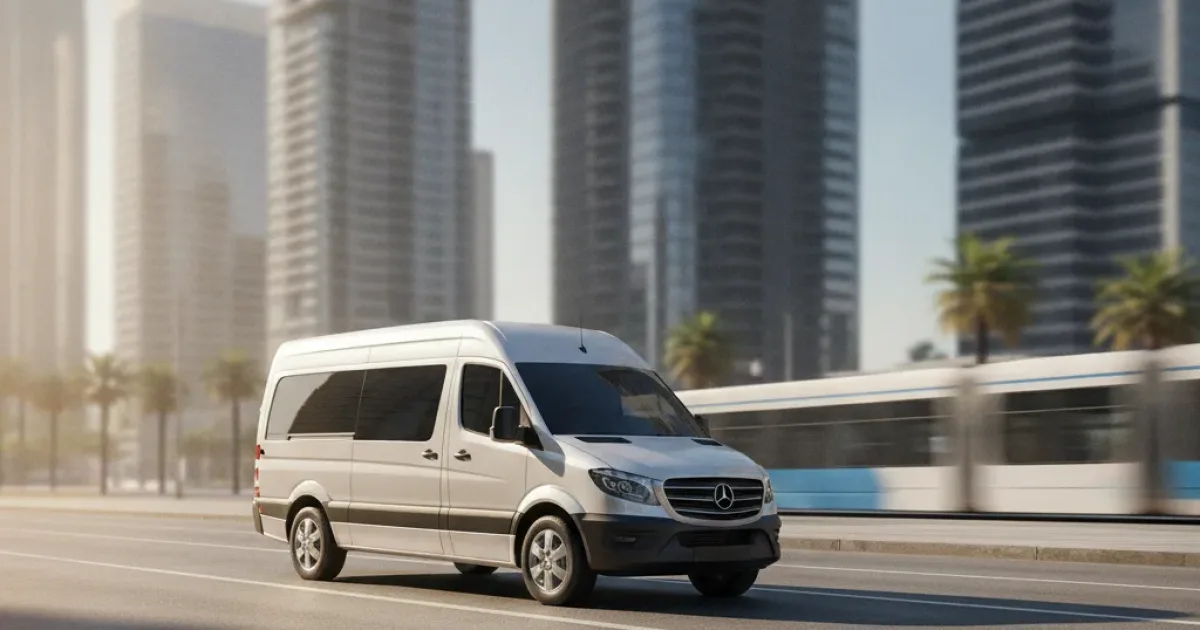
Renault Trafic Van Leasing Guide
Leasing a Renault Trafic involves understanding your specific business load requirements, mileage expectations, and total ownership costs before committing to a contract. This Renault Trafic van leasing guide helps you navigate the vehicle's versatility, trim levels, and financial structures to ensure you select the configuration that best serves your operational needs while adhering to your budgetary parameters.
Who the Renault Trafic suits
The Renault Trafic is a medium panel van that strikes a precise balance between maneuverability and storage capacity, making it an ideal choice for a diverse range of users. It is frequently the preferred vehicle for tradespeople such as electricians, plumbers, and carpenters who require a robust workhorse capable of carrying significant quantities of tools and materials without the bulk associated with large commercial vehicles. The vehicle's architecture is specifically designed to facilitate efficiency in urban environments while remaining comfortable for longer motorway journeys.
Versatility for business operations
Beyond traditional trades, the Trafic serves as a highly effective delivery vehicle for courier operations. Its ease of parking and agility in tight traffic make it superior to larger vans for "last-mile" logistics. Many business owners find that the interior cabin design acts as a mobile office, featuring practical storage solutions that keep paperwork and tablets organized. The integration of modern technology ensures that connectivity remains consistent, which is vital for drivers who need to update delivery schedules or communicate with central offices in real-time. By opting for a lease, businesses can access this modern fleet without the capital intensity of an outright purchase, allowing for better cash flow management while maintaining a professional image.
Sizes, body types and payload
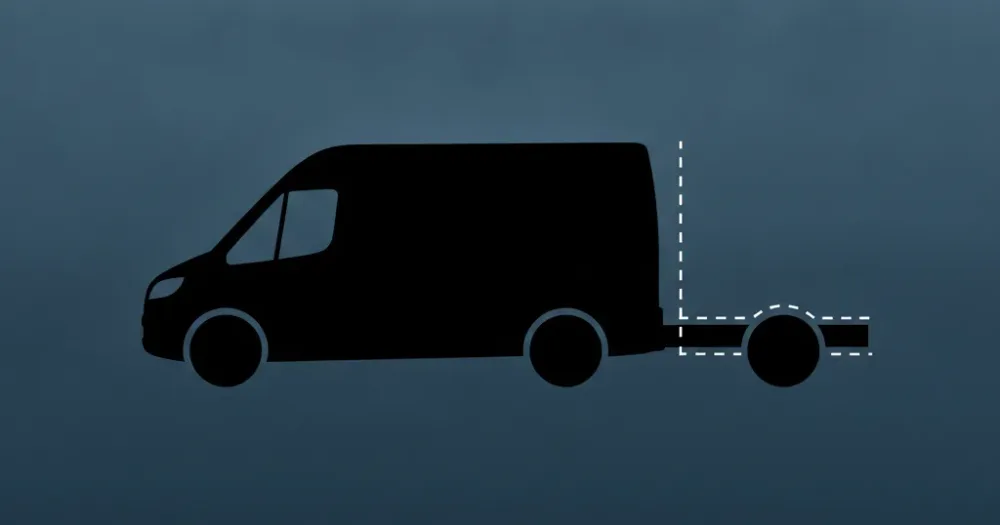
When choosing a Renault Trafic, selecting the correct body length and height is fundamental to your daily efficiency. The model is available in two main configurations, L1 (short wheelbase) and L2 (long wheelbase), paired with H1 (standard roof) height. Understanding these dimensions is critical, as they dictate the total load volume and how the vehicle will handle your specific cargo. The L1 version offers a more compact footprint, which is beneficial for street parking or accessing restricted loading bays, whereas the L2 offers an extended load area for bulkier goods.
Calculating your payload requirements
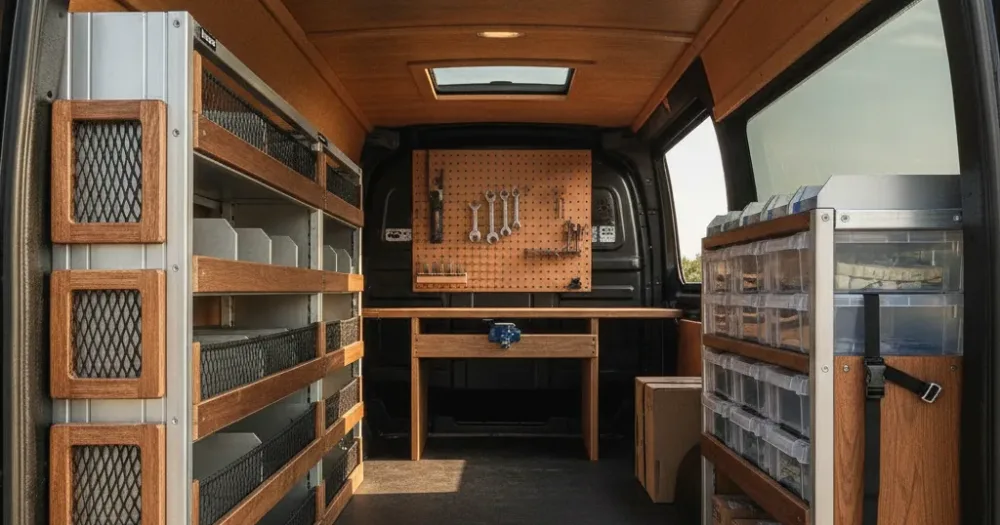
Payload is perhaps the most misunderstood element of van leasing. The figure provided by the manufacturer represents the maximum capacity of the van, but you must account for the weight of the driver, passengers, and any additional equipment. If you install heavy-duty racking, ply lining, or internal tool safes, this weight is subtracted from the maximum payload. It is essential to calculate your typical "in-use" weight to avoid overloading the vehicle, which can lead to mechanical strain and legal complications. Always refer to the specific technical specification for the exact derivative you are considering, as trim levels and engines impact the vehicle’s kerb weight and, consequently, its available payload.
Engines, fuel types and electric options
The Renault Trafic is primarily powered by a range of efficient diesel engines, designed to offer high torque at low revolutions, which is perfect for moving heavy loads. The 2026 model lineup typically features various horsepower outputs—often spanning from 130 hp to 170 hp—providing flexibility based on whether your work involves local stop-start journeys or heavy-duty motorway haulage. Diesel remains the most common choice for those covering high annual mileages where refueling convenience is paramount.
Selecting the right powertrain
When choosing between a manual transmission and an automatic, consider your typical route profile. Automatic gearboxes are increasingly popular for urban-based businesses, significantly reducing driver fatigue during stop-start traffic. When considering electric alternatives, verify the range and charging infrastructure requirements relative to your business base. For those transitioning to zero-emission zones, evaluate the local access regulations in the cities you frequent. Regardless of the powertrain, ensure that the chosen engine has the appropriate towing capacity if you intend to pull trailers, as specific engine outputs are linked to different maximum towing limits.
Trim levels and what the options add
Renault structures the Trafic trim levels to cater to different operational priorities, ranging from entry-level work-focused models to high-specification versions equipped with advanced comfort and safety features. Entry trims generally prioritize durability, featuring hard-wearing upholstery and basic climate control systems, whereas higher trims introduce touch-screen navigation, advanced parking assistance systems, and upgraded interior materials. Choosing the right trim depends on how much time the driver spends in the cab. If the van serves as the driver's office for eight hours a day, the incremental investment in a higher trim level often pays dividends in staff retention and wellbeing.
Enhancing the daily experience
Consider the functional utility of specific options, such as the load-through bulkhead. This feature allows for the transportation of longer items like piping or timber by utilizing the space beneath the passenger seat, effectively extending the maximum load length. When ordering, also prioritize safety packs. Features like blind-spot monitoring, cruise control, and parking sensors are not just luxury additions; they can significantly reduce the likelihood of minor accidents, which in turn preserves the vehicle's condition and assists in a smooth end-of-lease inspection process.
Monthly rental, initial rental and mileage
Lease agreements are structured around three core variables: the initial rental, the monthly rental, and the total contracted mileage. The initial rental, often paid at the start of the agreement, acts as a deposit that can influence the subsequent monthly payments. A larger initial rental typically results in lower monthly outgoings. It is vital to align your initial rental with your company’s current cash flow position rather than focusing solely on the monthly figure. This flexibility allows businesses to tailor the contract to their specific accounting period and budget cycles.
Structuring for cash flow
Do not simply aim for the lowest monthly figure without considering the total cost over the full term of the lease. Many businesses benefit from setting an initial rental that balances their upfront liquidity with a sustainable long-term monthly expense. When reviewing these figures, ensure you have a clear understanding of the tax implications for your business, as lease rentals can often be offset against taxable profits. Always consult with your finance department or accountant to determine the most tax-efficient structure for your specific business status.

Choosing a contract length and annual mileage
Selecting the right contract length is a strategic decision that should be based on your anticipated business growth and the desired refresh rate for your fleet. Typical contracts range from two to four years. Shorter contracts keep you in the newest models with the latest technology and safety features, while longer contracts may offer more stability in terms of recurring overheads. Aligning the contract term with your van's warranty period is a prudent way to ensure that the vehicle remains under manufacturer support for the duration of your usage.
The importance of accurate mileage
Your annual mileage projection is perhaps the most critical factor in your agreement. If you underestimate your mileage, you will likely face excess mileage charges at the end of the contract. If you overestimate, you may be paying for usage that you never utilize. Review your historic mileage data, including any seasonal spikes, to calculate a realistic annual figure. If your business model changes mid-contract—for instance, if you expand your delivery radius—contact the leasing provider as early as possible to discuss potential adjustments, rather than waiting until the end of the term to discover a significant mileage deficit.
What is included and what you still pay for
A standard van lease agreement covers the use of the vehicle for a defined period, but it is important to distinguish between what is "included" and what remains your responsibility. Generally, the lease price covers the financing and the vehicle itself; it does not usually include insurance, routine maintenance, or fuel. You are responsible for taxing the vehicle in some agreements or ensuring it remains compliant with all legal road requirements. Understanding your maintenance obligations is crucial, as failing to service the vehicle in line with the manufacturer's schedule can lead to significant penalties.
The role of maintenance packages
Many businesses choose to add a maintenance package to their lease agreement for an additional monthly fee. This package typically covers routine servicing, tire replacements due to fair wear and tear, and sometimes even breakdown assistance. While this increases the monthly rental, it provides predictable budgeting by removing the risk of unexpected, large repair bills. If you do not opt for a maintenance package, you must ensure you have a dedicated budget for servicing and parts. Regardless of the route chosen, all repairs must be conducted by authorized repairers using genuine parts to satisfy lease conditions.
Running costs to plan for
Beyond the monthly lease rental, you must factor in the ongoing operational costs required to keep the Trafic on the road. These include fuel or charging costs, insurance premiums, road tax, and occasional items like screen wash or AdBlue. Insurance is a non-negotiable expense, and since you are the registered keeper but not the owner, you must ensure your policy covers the vehicle adequately for business use. Some leasing agreements require specific levels of indemnity, so check your documentation carefully before finalizing your insurance provider.
Budgeting for the long term
Tire costs should also be integrated into your financial plan. A van that is consistently loaded near its maximum capacity will wear through tires faster than a light-use vehicle. Proactive monitoring of tire pressure and tread depth not only ensures safety and compliance with the law but also improves fuel economy, which over the course of a multi-year lease can lead to substantial savings. By creating a comprehensive running cost ledger, you avoid the trap of focusing only on the lease payment, ensuring that your fleet remains profitable and efficient throughout the duration of the contract.
Handing the Renault Trafic back at the end of the lease
The end-of-lease process centers on a vehicle inspection against the "fair wear and tear" guidelines set by the BVRLA. This industry-standard document outlines what constitutes acceptable condition based on the age and mileage of the van. Minor stone chips or light scuffs may be acceptable, but significant bodywork damage, missing service records, or excessive interior wear will likely result in end-of-lease charges. Being prepared for this handover is essential to avoid unexpected costs when returning the vehicle.
Preparing for the inspection
Several months before your contract expires, conduct your own thorough inspection of the vehicle. Clean the van inside and out to ensure all damage is visible. If you find significant damage, it is often more cost-effective to have it professionally repaired at a local garage of your choosing than to wait for the leasing company’s inspector to bill you for their repairs. Ensure that you return the van with all keys, service books, and any accessories that were included at the start of the lease. Maintaining a full, stamped service history is the single most important factor in ensuring a smooth and successful return process.
FAQs
What should I look for in a Renault Trafic lease agreement? You should prioritize a clear understanding of the total mileage allowance, the required maintenance schedule, and the return conditions outlined in the BVRLA fair wear and tear guidelines. Ensure that the specific model and trim level meet your payload and dimension requirements before signing.
Are there different Renault Trafic versions for different needs? Yes, the Trafic comes in L1 and L2 lengths and an H1 height, alongside various engine outputs and transmission options. You must select the version that aligns with your cargo size, towing needs, and whether you operate mostly in urban environments or on long-distance motorways.
Can I modify my leased Renault Trafic? Most leasing companies require you to obtain written permission before making any modifications, such as adding racking or changing the exterior graphics. Unauthorized modifications can breach your contract and lead to financial penalties upon return.
How do I avoid excess mileage charges? Monitor your mileage throughout the contract term and compare it to your annual limit. If you notice your usage is consistently higher than anticipated, contact your leasing provider early to discuss potential adjustments to your agreement.
Is insurance included in a Renault Trafic lease? Generally, no. Insurance is typically the responsibility of the leaseholder, and you must arrange comprehensive business insurance that covers the vehicle for the duration of the contract.
contracthire.tv is a trading name of Swiss Vans Ltd, authorised and regulated by the Financial Conduct Authority (FRN 668283) as a credit broker, not a lender.