Skoda Car Leasing: A Complete Guide

Skoda Car Leasing: A Complete Guide
Leasing a Skoda provides a flexible way to drive a reliable, high-quality vehicle without the long-term commitment of ownership, making Skoda car leasing an increasingly popular choice for drivers seeking modern technology and practicality. Before you proceed, you should know that leasing involves a contractual agreement where you pay for the use of the vehicle over a fixed period.
Why lease a Skoda
Choosing to lease a Skoda brings several distinct advantages, primarily centered around the brand's reputation for 'Simply Clever' design and robust engineering. Skoda has cultivated a loyal following by creating cars that bridge the gap between premium features and accessible value. When you lease, you benefit from driving a vehicle that is often at the forefront of interior ergonomics, providing large boot spaces, intuitive storage solutions, and thoughtful touches like umbrella holders and ice scrapers that make daily life simpler. Furthermore, leasing allows you to bypass the initial capital expenditure associated with purchasing a brand-new car outright. Instead, you can allocate your finances toward a vehicle that fits your professional or personal needs exactly. Skoda cars are known for maintaining strong build quality over the duration of a contract, which provides peace of mind regarding reliability. By opting for a lease, you can also plan your monthly expenditure with greater certainty, as the fixed nature of rental agreements helps prevent unexpected depreciation hits that owners typically face when selling their cars on the used market.
Reliability and modern technology
The modern Skoda lineup is packed with advanced driver-assistance systems and connectivity options. From responsive infotainment screens to adaptive cruise control and comprehensive safety suites, leasing ensures you are behind the wheel of a contemporary model. This constant access to the latest automotive advancements is a core benefit for those who enjoy having up-to-date safety and comfort features.
Skoda cars you can lease
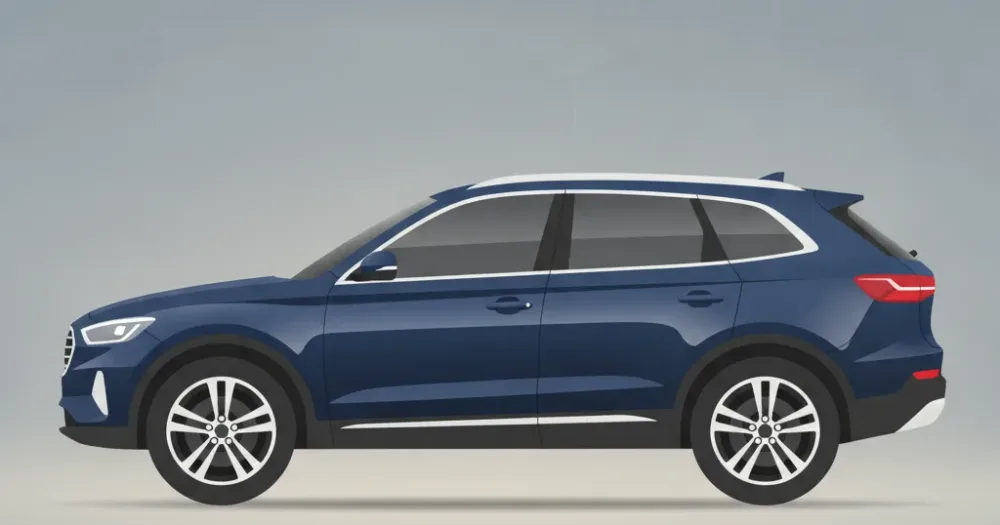
The current Skoda range offers diverse options tailored to different lifestyles, whether you require a compact hatchback for urban commuting or a large SUV for family adventures. The Fabia remains a stalwart of the brand, offering agility and efficiency in a smaller package that is ideal for city environments. For those needing a balance of size and versatility, the Octavia and Superb models—available in both hatchback and estate formats—remain the benchmark for luggage space and passenger comfort. If you prefer a higher seating position and more robust design, the SUV lineup including the Kamiq, Karoq, and Kodiaq provides substantial road presence and interior roominess. These models are frequently updated to incorporate the latest design language, ensuring that any Skoda you lease feels fresh and contemporary. Understanding the specific capabilities of each model is essential; for instance, if you frequently carry passengers, the Superb's legendary rear legroom makes it a standout choice. Conversely, the more compact SUV options excel at navigating tighter car parks while still providing that elevated vantage point many drivers prefer. Because Skoda consistently focuses on functionality, almost every model in their portfolio performs well as a daily driver, offering a predictable and comfortable experience for those who prioritize ease of use and long-distance comfort.
Petrol, diesel, hybrid and electric options
Skoda's commitment to powertrain diversity is extensive, offering drivers the ability to select an engine type that aligns with their driving habits and environmental considerations. Traditional petrol engines are available across the range, often utilizing efficient TSI technology that delivers a punchy driving experience with reduced fuel consumption. For high-mileage users, modern diesel engines are engineered with advanced filtration systems to remain clean and efficient over long distances. However, the most significant shift in the recent Skoda portfolio is the expansion into hybrid and fully electric models. Plug-in hybrid variants are excellent for those who want the flexibility of a petrol engine for long trips combined with the ability to complete shorter, city-based journeys on pure electric power. The full electric range, led by the Enyaq and its various configurations, represents the pinnacle of the brand's zero-emission efforts. These electric vehicles provide near-silent operation and instant torque, making them exceptionally smooth to drive. When selecting your powertrain, consider your access to home or public charging. If you are unable to charge at home, a mild-hybrid or efficient petrol TSI engine may offer the most convenience. Conversely, if you have a private driveway with charging capability, the electric models can significantly lower your running costs while providing an engaging, high-tech experience.

Trim levels and what the options add
Navigating the trim levels of a Skoda is straightforward, as the manufacturer typically structures its ranges to offer clear benefits at each step. Entry-level trims usually cover all essential safety and comfort requirements, such as air conditioning and smartphone integration. As you progress to mid-range trims, you will often find significant enhancements in interior aesthetics, such as upgraded upholstery materials, ambient lighting, and larger alloy wheels. High-end trims or sport-focused designations typically introduce a more aggressive exterior aesthetic combined with luxury cabin features, such as heated steering wheels, advanced premium audio systems, and panoramic sunroofs. Choosing the right trim depends on which features are non-negotiable for your daily routine. For example, if you commute in heavy traffic, look for trims that include enhanced driver assistance systems like lane keep assist or traffic jam assist. If comfort is the priority, trims that include ergonomic seating or multi-zone climate control are worth the investment. It is useful to review the specification sheet for each trim level to understand whether features like rear parking sensors or adaptive LED headlights are included as standard or offered as part of an optional pack, as this helps you build a vehicle that feels tailored to your preferences without unnecessary additions.
Monthly rental, initial rental and mileage
The structure of a leasing agreement is built upon three fundamental pillars: the initial rental, the monthly rental, and your projected annual mileage. The initial rental is a lump sum paid at the start of the contract. Generally, a higher initial rental will lower the subsequent monthly payments, whereas a lower initial rental results in higher monthly payments. This is not a deposit that you get back; it is simply a way to spread the cost of the lease. The monthly rentals are the core of your agreement and are calculated based on the vehicle's depreciation over the contract term, combined with interest costs and any additional services included. It is crucial to be as accurate as possible with your annual mileage projection. This figure is used to calculate the depreciation of the vehicle over the term. If you significantly underestimate your mileage, you may face excess mileage charges at the end of the contract. Conversely, if you overestimate, you will be paying for usage that you are not utilizing. Reviewing your previous vehicle's mileage or analyzing your typical commuting and leisure routes will help you select a realistic annual limit. Most providers offer flexibility here, so if your circumstances change during the term, communicate with your leasing provider as soon as possible to manage the expectations for the end of the contract.
Choosing a contract length and annual mileage
Selecting the right contract duration is a balance between your personal or business planning and the desire to stay in a newer vehicle. Standard contract lengths typically range from twenty-four to forty-eight months. A shorter contract means you will be driving the newest model for a shorter period, after which you can upgrade to the latest technology again. A longer contract often results in lower monthly rentals, as the depreciation of the car is spread over a greater number of payments. When choosing the length, consider how long you are likely to be content with the current model and whether your needs, such as space or engine requirements, are likely to shift in the coming years. Regarding mileage, it is better to be slightly generous with your annual estimate. Many people find that their driving patterns fluctuate; perhaps you take a long road trip one year or start a new job that requires a longer commute. If you choose a mileage cap that is too low, the cost of the excess mileage charges can accumulate quickly. Taking the time to calculate your realistic usage—accounting for regular commutes, family trips, and sporadic long-distance travel—is the most effective way to ensure your agreement remains cost-effective throughout its entirety.
What is included and what you still pay for
When you enter a lease agreement, it is important to understand what is covered by your monthly payment and what remains your responsibility. Most leasing agreements include the cost of the vehicle for the duration of the contract, and in many cases, road tax (Vehicle Excise Duty) is included for the full term. Standard manufacturer warranties are also typically included, providing coverage for mechanical issues for a specified period or mileage limit. However, there are significant costs that the lessee is still expected to cover. Insurance is almost always the responsibility of the driver; you must ensure the vehicle is covered by a comprehensive policy from the moment you take delivery. Maintenance and servicing are often optional extras. If you choose to include a maintenance package, your monthly rental may increase, but this can provide peace of mind by covering the cost of routine servicing, brake fluid changes, and sometimes replacement tyres. If you do not include a maintenance package, you are liable for all servicing costs according to the manufacturer's recommended schedule. Furthermore, you must cover the costs of fuel, charging, screen wash, and keeping the car in a clean and roadworthy condition. Neglecting the manufacturer's servicing schedule can void the warranty and create difficulties during the return process, so staying organized is key.
Running costs to plan for
Beyond the monthly rental, Skoda drivers should prepare for the day-to-day running costs associated with keeping their vehicle on the road. Fuel or electricity is the most significant recurring expense. If you are driving an electric Skoda, the cost per mile is typically much lower than a combustion engine vehicle, though this depends heavily on your access to home charging versus public charging networks. If you choose a diesel or petrol model, consider the efficiency of the engine in your specific driving environment—urban driving will generally yield lower fuel economy than motorway cruising. Insurance premiums are another factor that can vary based on your location, driving history, and the specific model of Skoda you choose. It is wise to obtain quotes before committing to a specific vehicle. Additionally, remember to budget for annual costs that might not be included in the lease, such as premium-grade fuel if recommended by the manufacturer, or winter tyres if you live in a region that experiences significant cold weather. While Skoda vehicles are generally renowned for their reliability, unexpected repairs that fall outside the warranty—such as damage caused by potholes or accidents—remain the driver's responsibility. Keeping a small contingency fund for these potential costs will ensure you are never caught unprepared, allowing you to enjoy your vehicle without the stress of managing sudden financial outlays.
Handing the Skoda back at the end of the lease
As your contract nears its end, you will begin the process of returning the vehicle. This is a standard procedure, but it requires preparation to ensure the transition is smooth. The vehicle must be returned in a condition that meets the standards of 'fair wear and tear' as defined by the industry body. This does not mean the car must be in showroom condition; it acknowledges that some minor wear is inevitable over several years of use. However, significant damage, such as deep scratches, dented bodywork, or torn upholstery, will likely result in repair charges. It is recommended to perform a thorough inspection of your vehicle a few months before the contract expires. If you find any damage that falls outside of fair wear and tear, consider having it professionally repaired beforehand, as this is often less expensive than being charged by the leasing company upon return. You must also ensure that all items provided with the car—such as spare keys, service manuals, and charging cables for electric models—are present. A clean vehicle, both inside and out, is also expected, as it allows the inspection agent to perform a fair assessment. By maintaining the vehicle well throughout the term and addressing issues early, you can typically complete the return process without any unexpected costs or complications, leaving you ready to arrange your next lease.

FAQs
What should I know before leasing a Skoda? Before leasing a Skoda, you should understand that you are paying for the use of the vehicle over a fixed term rather than owning it. You must consider your annual mileage accurately, ensure you have comprehensive insurance, and understand that you are responsible for maintaining the vehicle according to the manufacturer's schedule unless you opt for a service package.
Can I end my Skoda lease early? Ending a lease early is generally possible but will usually involve a termination fee. It is best to consult your specific contract terms or speak to your account manager as early as possible if your circumstances change, as there are formal processes to follow for early termination.
What happens if I exceed my mileage limit? If you exceed the agreed mileage on your contract, you will be charged an excess mileage fee, which is calculated on a pence-per-mile basis. It is significantly more cost-effective to adjust your mileage limit mid-contract if you realize you are going to exceed it, rather than waiting until the end of the term.
Do I need to pay for servicing on my leased Skoda? Unless you specifically include a maintenance package in your lease agreement, you are responsible for paying for all servicing and maintenance costs. These must be performed by an approved garage in line with the manufacturer's recommended schedule to keep the vehicle in warranty and meet the return condition standards.
contracthire.tv is a trading name of Swiss Vans Ltd, authorised and regulated by the Financial Conduct Authority (FRN 668283) as a credit broker, not a lender.