Toyota Car Leasing: A Complete Guide

Why lease a Toyota
Leasing a Toyota provides a reliable, cost-effective way to operate a modern vehicle without the burden of long-term ownership, making Toyota car leasing a popular choice for UK motorists. By choosing to lease, you access the latest automotive technology, safety features, and fuel efficiency standards, all while managing your cash flow through a fixed-cost monthly commitment rather than a significant capital outlay.
Reliability and Resale Value
Toyota has built a global reputation for engineering excellence and long-term durability. When you lease, this reliability often translates into a vehicle that remains dependable throughout your contract term, reducing the likelihood of mechanical downtime. Furthermore, because Toyota vehicles typically retain a strong residual value, the total cost of ownership over the leasing period is often more competitive compared to brands that depreciate more rapidly. This stability in value is a core factor that helps leasing providers maintain manageable rental structures, which ultimately benefits you as the lessee.
Modern Safety and Innovation
Beyond engineering, Toyota is a leader in integrating advanced driver-assistance systems as standard across much of its range. Whether you are driving an urban runaround or a long-distance cruiser, features such as adaptive cruise control, lane-departure warnings, and pre-collision systems are designed to keep you safer on the road. Leasing ensures that you can upgrade your vehicle every few years, meaning you are never left behind by the latest safety innovations or connectivity features like smartphone integration and advanced navigation suites.
Toyota cars you can lease
The variety available when exploring Toyota car leasing options is extensive, catering to virtually every type of driver, from small city commuters to families requiring robust SUVs. Selecting the right vehicle starts with assessing your daily requirements, such as the number of passengers, cargo capacity, and the types of roads you frequent. The current Toyota lineup focuses on versatility, combining distinctive design with the practical needs of modern UK driving conditions.
The Hatchback and Estate Range
For many professionals and individuals, the Corolla remains the gold standard in the Toyota hatchback and estate segment. Known for its smooth handling and refined interior, the Corolla is ideal for those who spend significant time commuting. If you prefer something more compact, the Yaris and Yaris Cross provide excellent agility in tight urban environments, paired with surprisingly spacious interiors for their footprint. Leasing these smaller models allows for exceptional fuel efficiency and ease of parking, which are high priorities for inner-city driving.
SUVs and Crossovers
If you require more space, ground clearance, or a higher driving position, the Toyota SUV range is highly comprehensive. The RAV4 offers a blend of rugged capability and family-friendly comfort, making it a staple for those who require a vehicle that can handle both the school run and weekend adventures. For those looking for a premium experience, the Highlander or the various hybrid crossovers provide luxury touches without sacrificing the brand’s core reliability. Each of these models is designed to handle UK weather conditions effectively, particularly when equipped with all-wheel-drive configurations.
Petrol, diesel, hybrid and electric options
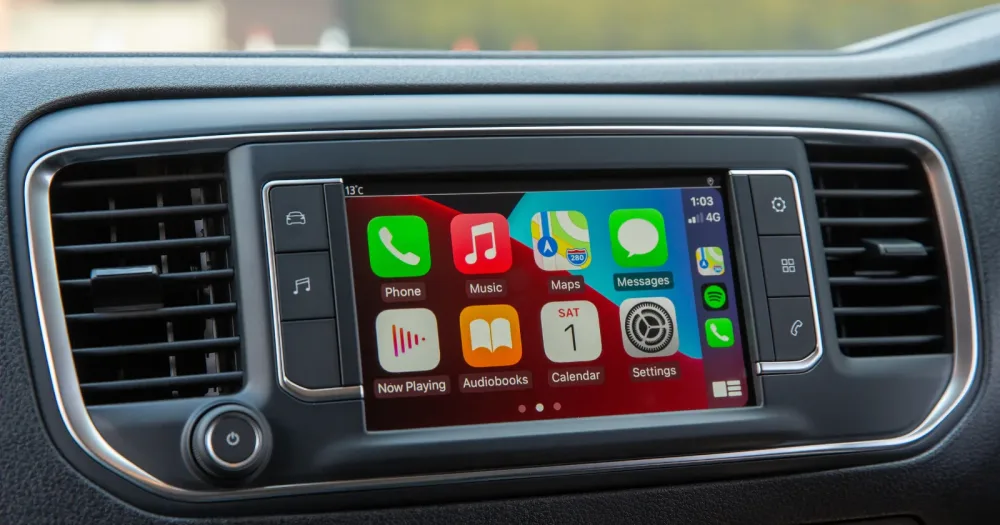
Toyota is widely recognised as a pioneer in hybrid technology, offering an extensive selection of power units that allow you to balance performance with environmental responsibility. When you consider Toyota car leasing, you must weigh your typical journey patterns—specifically the mileage, urban versus motorway split, and access to charging infrastructure—to decide which powertrain serves your business or personal lifestyle best.
Hybrid and Plug-in Hybrid Systems
Most of the current Toyota range features self-charging hybrid technology, which is highly effective for reducing fuel consumption in stop-start traffic. These systems automatically switch between electric power and the combustion engine, ensuring the most efficient use of fuel without needing to be plugged in. For those who can charge at home or work, Toyota’s plug-in hybrid (PHEV) models allow for longer periods of pure electric driving. This can significantly lower your running costs if your daily commute falls within the EV range of the vehicle, effectively giving you the benefits of an electric car for short trips with the convenience of petrol power for long journeys.
Full Electric and Traditional Engines
While hybrid technology remains central, Toyota has expanded into battery-electric vehicles (BEVs). These models offer a smooth, silent driving experience with zero tailpipe emissions, which is increasingly relevant as more UK cities introduce clean air zones. When selecting an electric Toyota, it is vital to look beyond the maximum range figures. Consider your access to public rapid charging points, the ability to install a dedicated wallbox at home, and your typical daily mileage. For those who cover very high annual mileages on motorways, traditional petrol engines still offer a simple, effective solution. Understanding how these power types influence your overall cost and convenience is a critical part of the leasing process.
Trim levels and what the options add
Once you have selected a model, navigating the trim levels is the next step in personalising your lease. Toyota typically organises its trims into tiers, ranging from entry-level comfort to high-end luxury. Understanding these tiers ensures you pay for the features you will actually use. Entry-level trims generally include essential safety technology, air conditioning, and basic connectivity, which is often sufficient for basic transport needs. Moving up to mid-tier trims usually introduces aesthetic upgrades like larger alloy wheels, privacy glass, and enhanced interior materials, along with convenience features like heated seats or improved infotainment screens.
Advanced Technology and Luxury Packs
At the top of the trim hierarchy, you will find premium specifications that offer a comprehensive suite of luxury and driver-convenience additions. These might include leather upholstery, panoramic sunroofs, premium audio systems, and advanced parking assistance cameras. When selecting a trim for your lease, consider whether the higher monthly rental is justified by the features provided. Often, a mid-tier trim provides the best balance of value and comfort. Remember, you can also add specific optional extras—such as a tow bar, metallic paint, or upgraded lighting—to your lease agreement. These extras are added to the total cost of the vehicle and spread across your monthly rentals, meaning they increase your payment slightly, but allow you to tailor the car exactly to your preferences.

Monthly rental, initial rental and mileage
The structure of a lease is defined by three main variables: the initial rental, the monthly rental, and the annual mileage limit. The initial rental, often referred to as the deposit, is an upfront payment made at the start of the contract. Generally, a higher initial rental results in lower monthly payments, as you are effectively paying off a larger portion of the vehicle’s depreciation in advance. It is important to set this initial payment at a level that fits your current cash flow without overstretching your budget.
Defining Your Monthly Commitment
Your monthly rentals are a fixed cost, providing clarity for your personal or business budgeting. Because these payments are set at the start of the contract, you do not have to worry about fluctuating interest rates or unexpected depreciation hits on the value of the car. It is a strictly controlled outgoing that covers the use of the vehicle over the agreed period. When setting your annual mileage, aim for an accurate reflection of your actual driving. If you underestimate your mileage, you will be subject to excess mileage charges at the end of the contract, which are calculated on a pence-per-mile basis. Conversely, overestimating your mileage means you are paying for capacity you are not using. Keep a record of your past annual mileage to get the most accurate figure for your new contract.
Choosing a contract length and annual mileage
Selecting the right contract duration is just as important as choosing the right model, as it dictates how often you can switch into a new vehicle. Common terms for personal and business leasing range from two to four years. A shorter contract, such as 24 months, allows you to benefit from the latest technology more frequently but often results in a higher monthly payment compared to a longer 48-month contract, as the vehicle’s depreciation is spread over fewer months.
Aligning Mileage with Contract Length
If you cover high annual mileage, you may find that a shorter contract is more beneficial, as it ensures you are not stuck with a car that is nearing the end of its reliable mechanical life or warranty period. Conversely, lower-mileage drivers may prefer longer contracts to keep their monthly costs at an absolute minimum. When you calculate your annual mileage, consider any planned lifestyle changes, such as a change in job location or upcoming holiday travel, as these can impact your total distance covered. Being realistic at the start of your agreement prevents the stress of high excess mileage invoices at the conclusion of the lease.
What is included and what you still pay for
A leasing agreement typically covers the use of the vehicle and, in many cases, road tax (Vehicle Excise Duty) for the duration of the contract. This provides a clear, transparent cost structure. However, it is essential to understand what is not included in your monthly rental so you can plan for these additional expenses. For example, standard leasing agreements do not cover motor insurance, which you must arrange yourself and keep active throughout the full duration of the lease.
Maintenance and Wear and Tear
Routine maintenance—such as oil changes, filter replacements, and tyre changes—is generally the responsibility of the lessee unless you specifically choose to bundle a maintenance package into your agreement. A maintenance package covers these costs for a set additional monthly fee, protecting you from potentially expensive service bills. Furthermore, you remain responsible for the upkeep of the vehicle in line with the manufacturer’s schedule. This includes ensuring the vehicle is serviced at an authorised dealer using genuine parts to maintain the validity of the warranty. It is also important to remember that you are responsible for any fines, parking tickets, or toll charges incurred during your time with the vehicle.
Running costs to plan for
Beyond the monthly rental, operating your Toyota involves several predictable running costs that should be accounted for in your annual budget. Fuel or electricity is the most significant recurring cost, and this will vary greatly depending on the powertrain you choose. With a hybrid model, your petrol costs may be lower than a traditional engine, whereas with an electric model, you will need to account for your domestic or public charging electricity rates. Comparing the expected fuel economy of different models before you sign your agreement can prevent financial surprises.
Insurance and Consumables
Insurance premiums can vary based on the vehicle’s insurance group, which is determined by the manufacturer’s safety features and the cost of repair. Always check the insurance group of your preferred Toyota model before committing to a lease. Additionally, consumables are an often-overlooked expense. These include windscreen washer fluid, AdBlue for diesel models, and eventually, replacement tyres. If your lease term is longer than three years, you may find that you need to replace a set of tyres at your own expense, which can be a significant one-off cost. Keeping a small 'sinking fund' for these eventualities ensures that you are never caught off guard by necessary maintenance, allowing you to enjoy your vehicle with peace of mind.
Handing the Toyota back at the end of the lease
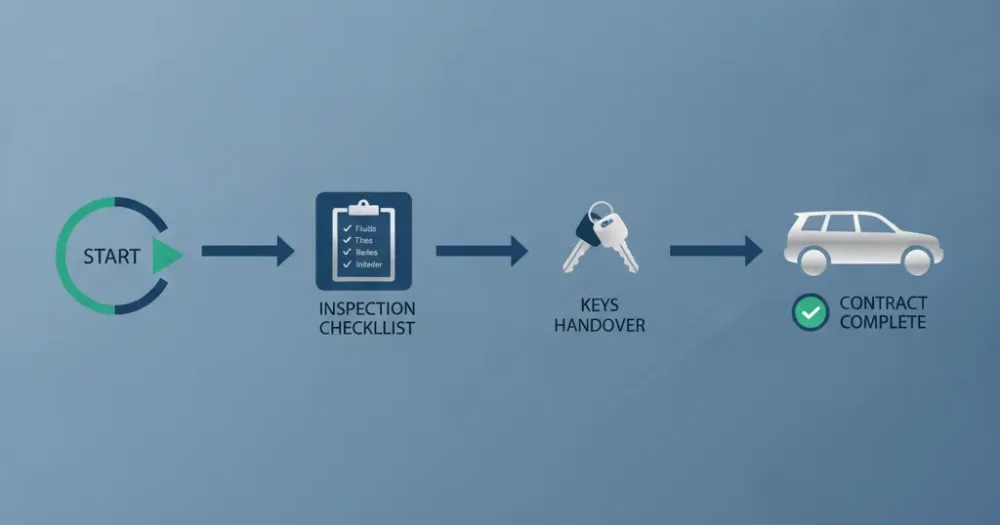
The return process is a straightforward procedure designed to assess the condition of the vehicle against the standards of the finance provider. A few weeks before your contract ends, you will typically be contacted to arrange an inspection. The key to a successful return is to treat the vehicle as if you owned it, keeping it clean and addressing any minor maintenance issues as they arise throughout the term.
Returning in Good Condition
Fair wear and tear is an accepted part of any lease agreement, and industry-standard guides explain what constitutes acceptable condition relative to the vehicle's age and mileage. Minor scuffs that can be polished out or small stone chips are often acceptable; however, significant bodywork damage, missing service records, or worn-out tyres that do not meet legal requirements will likely incur costs. To avoid these, ensure you have kept the vehicle serviced strictly according to the manufacturer’s requirements and consider a professional valet before the final inspection. By maintaining the vehicle well, you ensure the return process is quick, simple, and free from unexpected end-of-contract charges, allowing you to move smoothly into your next leasing agreement.
FAQs
What should you know before leasing a Toyota? Before leasing a Toyota, ensure you understand your annual mileage requirements, as exceeding your limit will incur excess mileage charges. You should also consider whether you need a maintenance package to cover servicing and tyres, and confirm you have the budget for insurance, which is not included in the rental.
Can I own the Toyota at the end of the lease? Standard contract hire leasing agreements do not provide an option to purchase the vehicle at the end of the term. You simply return the car and, if you choose, begin a new agreement for a different vehicle, allowing you to keep up with the latest models.
How is the return condition of the lease vehicle assessed? The vehicle is assessed against the finance company's fair wear and tear standards. This guideline takes into account the age and mileage of the car. It is best to maintain the vehicle to a high standard throughout the contract to ensure the inspection process is smooth and charge-free.
Are there tax benefits for business car leasing? Business users may be able to offset a portion of their monthly rental payments against their taxable income, depending on their business structure and the vehicle's CO2 emissions. It is highly recommended to consult with a qualified accountant to understand the specific tax implications for your business.
contracthire.tv is a trading name of Swiss Vans Ltd, authorised and regulated by the Financial Conduct Authority (FRN 668283) as a credit broker, not a lender.