Nissan Car Leasing: A Complete Guide

Why lease a Nissan
Nissan car leasing provides a flexible and affordable way to drive a new vehicle without the long-term commitment of ownership. By opting for a lease, you gain access to the latest automotive technology, safety features, and comfort upgrades while avoiding the unpredictable depreciation associated with buying a car outright. This modern approach to vehicle acquisition allows you to transition between different models as your needs evolve, ensuring you are always equipped with a reliable and efficient transport solution.
Accessing Modern Technology
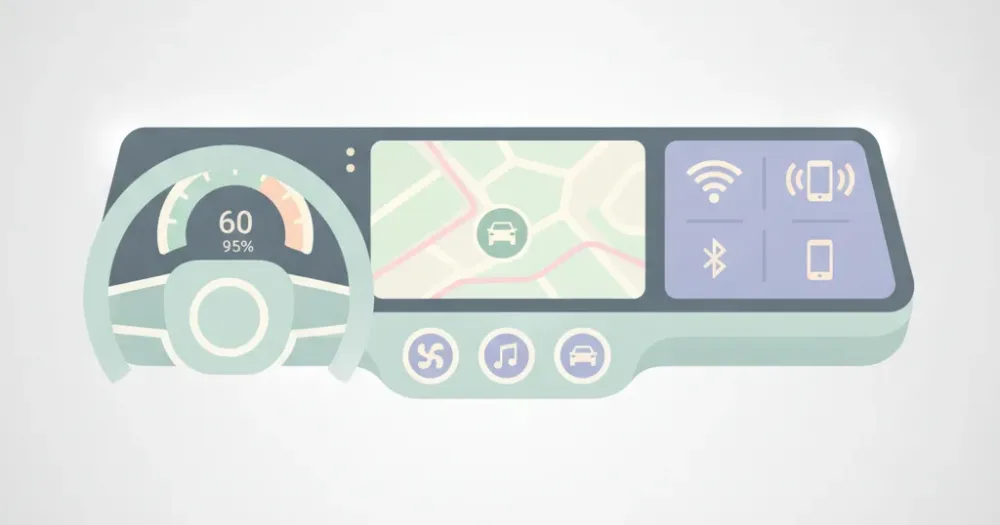
Choosing a new Nissan through a leasing agreement means you are almost always behind the wheel of a model equipped with the most recent developments in driver assistance and infotainment. Nissan has been at the forefront of the Intelligent Mobility vision, meaning that current models often feature advanced systems like ProPILOT. These technological suites are designed to reduce driver fatigue and improve overall road safety. By leasing, you circumvent the issue of rapid technological obsolescence; once your contract concludes, you can opt for a newer vehicle that benefits from the latest advancements, keeping you ahead of the curve in terms of connectivity and safety.
Financial Flexibility
Leasing allows businesses and private individuals to manage their cash flow more effectively. Instead of tying up a large amount of capital in a depreciating asset, you can allocate your resources elsewhere. The structure of leasing agreements is designed to be predictable, allowing for easier budgeting over the duration of the contract. By avoiding a large initial capital outlay, you preserve your liquidity, which is particularly beneficial for those who prefer to keep their capital available for other investments or business operational costs. The convenience of a fixed-term agreement provides a clear roadmap for your motoring expenses, allowing you to plan your financial life with greater confidence.
Nissan cars you can lease
The current Nissan range offers a diverse selection of vehicles tailored to meet the varying requirements of modern drivers, from agile city cars to versatile family SUVs. Whether you are looking for the compact efficiency of a hatchback or the elevated command of a crossover, the brand caters to virtually every lifestyle. Leasing allows you to explore these segments without being locked into a single vehicle type for a decade, giving you the freedom to test which body style suits your daily routine best. From the iconic Micra for urban navigation to the robust and spacious X-Trail for family adventures, there is a model for every scenario.
The Crossover Revolution
Nissan is widely credited with helping to popularize the crossover segment, and their current offerings remain some of the most sought-after vehicles in the UK. The Qashqai, for example, combines the practicality of an estate with the driving position of an SUV, making it a perennial favourite for those who need a balanced vehicle. The Juke, with its bold styling and nimble handling, remains a top choice for individuals seeking a car that makes a visual statement while offering the elevated seating position many drivers prefer. Leasing these models provides an excellent opportunity to experience the high build quality and ergonomic design that Nissan has refined over years of market leadership.
Space and Capability
For those who require more utility, models like the X-Trail provide extensive cargo space and optional all-wheel-drive configurations, making them ideal for long-distance driving or families with active lifestyles. These larger vehicles often come with sophisticated interior arrangements and advanced safety systems, ensuring that even on long motorway journeys, the driving experience remains comfortable and secure. Leasing a high-specification model like this ensures that you get the full benefits of the brand’s engineering prowess without the stress of managing long-term maintenance or market value fluctuations, as these factors are addressed within the structure of your lease agreement.
Petrol, diesel, hybrid and electric options
Nissan has embraced an multi-pathway approach to engine technology, offering everything from traditional petrol engines to fully electric powertrains. Selecting the right powertrain for your lease is essential for ensuring that your vehicle is fit for purpose, whether you are primarily driving in congested urban environments or covering vast distances on the motorway. Understanding the distinction between these options is a key step in building your ideal lease package, as the right choice will ultimately improve your fuel efficiency and daily satisfaction.
The Transition to Electrification
The Leaf set the standard for affordable mass-market electric vehicles, and it remains a compelling choice for those looking to reduce their carbon footprint and benefit from lower running costs. Beyond fully electric vehicles, Nissan has introduced the e-Power technology, a unique system where an electric motor drives the wheels while a petrol engine acts as a generator. This offers the smooth, quiet, and instant torque delivery of an electric vehicle without the range anxiety associated with charging. For many leasing customers, this hybrid-style technology represents the perfect bridge, providing efficiency without requiring a complete change in refueling habits.
Traditional and Refined Engines
For drivers who prefer conventional engines, Nissan continues to offer highly refined turbocharged petrol engines. These units are engineered for efficiency and responsiveness, providing a spirited drive while maintaining a sensible fuel consumption profile. These engines are particularly well-suited for those who do not have easy access to home charging points or who frequently undertake long, cross-country journeys where rapid refueling is a priority. When considering your lease, assess your typical weekly mileage and access to charging infrastructure to ensure your chosen powertrain aligns with your actual usage patterns.
Trim levels and what the options add
Navigating the various trim levels is one of the most exciting aspects of configuring your Nissan lease. Each grade serves a different purpose, ranging from entry-level models that focus on core functionality to top-tier trims that include luxury materials, enhanced audio systems, and high-tech styling packages. Understanding what each tier adds allows you to prioritise the features that matter most to you, ensuring you do not pay for extras you will rarely use, or conversely, that you do not miss out on comfort upgrades that would improve your daily commute.
Understanding the Hierarchy
Most Nissan ranges follow a structured progression of trims. The entry-level grades usually feature essential safety equipment, basic smartphone integration, and durable interior materials. Moving up the range, you will typically find additions like larger alloy wheels, privacy glass, and upgraded upholstery. These mid-range trims often represent the best value for money, balancing aesthetics with practicality. By opting for these, you often get the best of both worlds: a well-equipped vehicle that feels modern and premium, without the premium price tag associated with the highest-spec luxury additions found at the very top of the range.
Luxury and Premium Features
The highest trim levels focus on comfort and convenience, often featuring leather seating, premium sound systems, panoramic roofs, and advanced automated parking systems. If you spend significant time in your vehicle, upgrading to one of these trims can make a substantial difference in your overall experience. During the leasing configuration process, take the time to review the equipment lists carefully. Remember that while higher trim levels do affect the monthly cost of your lease, they can also provide a superior cabin environment. Reviewing the available options through a digital configurator allows you to compare different specifications side-by-side to find your ideal balance.

Monthly rental, initial rental and mileage
When you start a leasing agreement, you will encounter three core financial components: the initial rental, the monthly rental, and the mileage allowance. These three factors work in concert to determine the affordability and sustainability of your contract. Managing these elements correctly ensures that you can enjoy your new Nissan without any unexpected financial pressure or logistical difficulties later in the lease term.
Managing Your Upfront Costs
The initial rental is an upfront payment made at the start of the lease. Often referred to as a deposit, it is important to note that this is a separate concept from a down payment on a purchase; rather, it is essentially a series of rentals paid in advance. A larger initial rental will usually reduce the cost of your subsequent monthly payments. Choosing the right level of initial rental is a balancing act between your current available cash and your desired ongoing monthly outgoings. It is recommended to choose a figure that fits comfortably within your budget while leaving enough contingency for other vehicle costs.
Defining Your Usage
Your monthly rental is the core of your agreement, representing your regular contribution toward the vehicle's depreciation and use. This figure remains fixed throughout the duration of the contract, assuming you stick to the agreed mileage terms. Mileage is a critical factor; you must estimate your annual distance as accurately as possible. If you exceed the allowance, there will typically be an excess mileage charge at the end of the term. Conversely, if you choose an allowance that is too high, you may be paying for distance you do not use. Be realistic and honest about your driving habits to ensure a smooth transition at the end of the agreement.
Choosing a contract length and annual mileage
Selecting the optimal contract length and annual mileage is fundamental to a successful Nissan lease experience. Contracts typically range from two to four years, and aligning these choices with your personal or business needs ensures you remain within the parameters of your agreement, avoiding potential penalties and keeping your monthly costs consistent with your expectations.
Matching Contract Length to Needs
The length of your contract should reflect how long you intend to keep a vehicle before wanting an update. Shorter contracts of two years are excellent if you enjoy having the newest model as soon as it is released, though they can result in slightly higher monthly costs compared to longer terms. A three-year contract is the industry standard, providing a balanced period where you can get used to the vehicle and enjoy its features. Longer contracts of four years are ideal for those who prefer stability and a lower monthly outgoings, provided you are confident that the model will still meet your requirements in the future.
Calculating Your Mileage
Mileage should be calculated based on your average annual usage, including commuting, regular trips, and annual holiday journeys. If you are unsure, check your current odometer reading and compare it with the vehicle’s age to get a realistic annual average. When setting your limit, it is better to slightly overestimate than to underestimate. If your circumstances change—for example, if you change jobs or move house—it is often possible to discuss your mileage limit with your provider, but it is always best to set a realistic baseline from the beginning to avoid any end-of-contract surprises or the need for mid-term adjustments.
What is included and what you still pay for
Knowing exactly what is included in your lease is essential to avoid confusion regarding your responsibilities. While leasing provides a simplified route to driving a new car, it is not an all-inclusive package that covers every possible expense associated with vehicle ownership. Clarifying these details helps you budget effectively throughout the term.
Included Elements
Generally, your leasing agreement covers the use of the vehicle and, in some cases, road tax for the duration of the contract. This significantly simplifies the administration of your car, as you do not need to worry about the depreciation or the eventual sale of the vehicle. You are effectively paying for the period during which you use the car. Most new vehicles also come with a manufacturer’s warranty, which covers mechanical failures or defects, offering peace of mind that you will not be liable for significant repair costs should a manufacturing fault occur during the initial years of ownership.
Your Ongoing Responsibilities
You remain responsible for daily running costs, including fuel or electricity, insurance, and routine maintenance such as tyres, wiper blades, and fluid top-ups. Unless you have specifically opted for a maintenance package—which can be added to many lease agreements to cover servicing and routine repairs—these costs are your direct responsibility. Ensuring your vehicle is properly insured is a strict requirement of all leasing contracts, and it must be covered by a comprehensive policy. By budgeting for these predictable costs, you ensure that the only unexpected part of your driving experience is the sheer enjoyment of operating a brand-new Nissan.
Running costs to plan for
Planning for your running costs beyond the monthly lease payment is vital for maintaining a healthy budget. While the lease covers the capital cost of the vehicle, you must account for the everyday expenditures that keep your car on the road safely and legally. Being prepared for these costs prevents them from becoming a source of stress later in the lease term.
Servicing and Maintenance
Modern vehicles require regular servicing to maintain their manufacturer warranty and ensure longevity. Even a new car will need oil changes, filter replacements, and system checks as specified by the manufacturer. If your lease agreement does not include a maintenance plan, you should set aside a monthly amount to cover these anticipated service visits. You should also factor in the cost of consumables. Tyres, in particular, are a significant maintenance item; their lifespan depends on your driving style and the surfaces you travel on. Being proactive with these checks not only keeps your car running reliably but also helps ensure it meets the required standards when you eventually hand it back.
Insurance and Daily Operations
Insurance premiums are an inevitable cost of motoring. As a leaseholder, you must ensure the vehicle is covered by a comprehensive policy. It is worth noting that some insurance providers specifically accommodate lease vehicles, so ensure your policy is appropriate. Furthermore, consider the environmental or congestion charges that might apply depending on your location. Whether you are driving an electric Nissan or a combustion engine model, being aware of local levies and planning your route accordingly can save you money. Keeping a buffer in your budget for these everyday expenses ensures that your vehicle remains an asset to your lifestyle rather than a financial drain.
Handing the Nissan back at the end of the lease
The conclusion of your lease agreement is a straightforward process, provided you have maintained the vehicle in line with the terms of your contract. Understanding the return process helps you prepare your Nissan so that the inspection goes as smoothly as possible, allowing you to move on to your next vehicle without any unexpected complications.
The Fair Wear and Tear Standard
When you return your car, it will be inspected against the standard of 'fair wear and tear'. This is a set of guidelines that acknowledges that a car will experience normal usage over time. It differentiates between acceptable signs of age, such as minor interior upholstery wear, and damage that goes beyond normal use, such as deep bodywork scratches, dents, or torn interior fabrics. Familiarising yourself with these standards early on is a great way to ensure you treat the vehicle with appropriate care during your ownership. Regularly cleaning the car inside and out will not only make your daily driving experience more enjoyable but also help you spot any issues early.
Final Steps and Next Steps
As your contract approaches its end, you will receive information about the collection process. Ensure that all items supplied with the car, such as spare keys, owner's manuals, and the service book, are ready to be returned. If you have any minor damage that falls outside of the fair wear and tear guidelines, you may want to have it professionally repaired before the inspection to avoid potentially higher charges from the finance provider. Once the vehicle is collected, your obligations regarding that specific car cease. This is the perfect time to evaluate your driving needs and begin exploring your next Nissan lease, keeping your journey through the range as seamless and rewarding as possible.

FAQs
What should I look for when considering a Nissan lease? You should assess your annual mileage, your preferred model or body style, and the length of contract that best fits your lifestyle. It is also important to consider your budget beyond the monthly payment, including insurance and potential maintenance costs.
Is it better to pay a larger initial rental? A larger initial rental typically reduces your monthly payments, making your ongoing expenses more manageable. However, you should choose an initial rental amount that fits your current cash flow without leaving you short of funds for other requirements.
What happens if I exceed my agreed mileage? If you drive more miles than agreed in your contract, you will generally be liable for an excess mileage charge, which is calculated on a pence-per-mile basis. It is always best to estimate your mileage accurately at the start to avoid these charges.
Does a lease include maintenance and servicing? Standard lease agreements do not typically include maintenance. However, you can often add a maintenance package to your contract to cover servicing costs. If you do not add this, you are responsible for keeping the car serviced according to the manufacturer's schedule.
Can I return the vehicle early? Ending a lease early usually involves early termination fees, as the agreement is designed to run for a fixed term. If your circumstances change significantly, contact your provider as soon as possible to discuss the potential options available to you.
contracthire.tv is a trading name of Swiss Vans Ltd, authorised and regulated by the Financial Conduct Authority (FRN 668283) as a credit broker, not a lender.